
I once spent a six-hour corporate shoot in a converted warehouse with no elevator, lugging a heavy Pelican case and a tripod through a doorway that was clearly too narrow for my ego. By the time I actually sat the CEO down for his portrait, my lower back wasn’t just aching; it was screaming. Most gear reviews will try to sell you on some high-tech, ergonomic backpack with enough straps to secure a fighter jet, but let’s be honest: no amount of expensive padding is going to solve the fundamental problem of how to carry gear without wrecking your back when you’re fighting gravity and bad architecture all day.
I’m not here to give you a lecture on posture or recommend a bag that costs more than my first car. Instead, I want to talk about the actual logistics of the haul—the weight distribution that matters, the things you should leave in the car, and why your shoulder strap is your best friend or your worst enemy. This is about the practical reality of moving heavy objects from point A to point B without needing a chiropractor by age thirty.
Understanding How to Carry Gear Without Wrecking Your Back
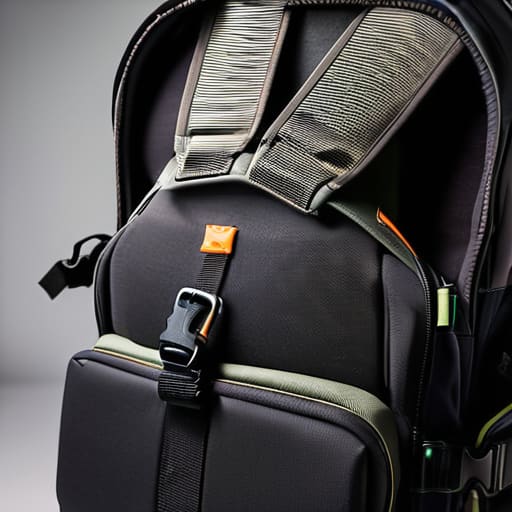
The mistake most people make is treating their camera bag like a standard school rucksack. You can’t just throw three lenses, a body, and a tripod into a bag and hope for the best. If you aren’t focusing on proper backpack weight distribution, you’re essentially asking for a long-term relationship with a chiropractor. You need the heaviest items—the bodies and the big glass—sitting as close to your spine as possible. When the weight pulls away from your center of gravity, it creates a lever effect that drags your shoulders back and wrecks your posture.
It’s also about how you actually wear the thing. I’ve seen assistants walk around with their straps so loose the bag is practically bouncing off their hips. That’s a recipe for disaster. You need to tighten those straps until the load is anchored to your torso, ensuring correct shoulder strap adjustment so the weight transfers to your hips rather than hanging entirely off your trapezius muscles. If you feel the bag swaying when you turn a corner, it’s too loose. Tighten it up. Your spine will thank you by the time the shoot is actually over.
Key Things to Know
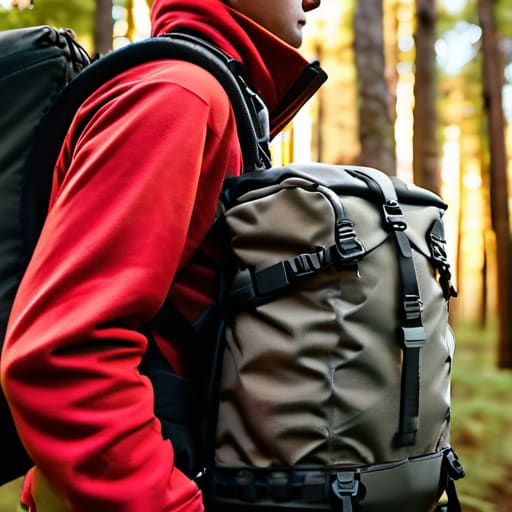
First, let’s talk about the physics of your bag. Most people think a heavy bag is fine as long as the straps are thick, but they’re missing the point. If you aren’t focusing on proper backpack weight distribution, you’re basically just asking for a chiropractor appointment by mid-afternoon. You need to pack the heaviest items—your bodies, your lenses, that one tripod you refuse to leave behind—as close to your spine as possible. If the weight is pulling away from your back, you’re going to spend the whole shoot leaning forward, which is a fast track to preventing lumbar strain from becoming an impossible task.
Then there is the actual fit. I’ve seen assistants walk around with shoulder straps so loose they might as well be decorative. You need to tighten them until the load sits on your hips, not your shoulders. This isn’t just about comfort; it’s about ergonomic load carriage. When the weight is transferred to your pelvis, your spine stays neutral. If you feel the weight digging into your traps, stop. Adjust the straps, tighten the waist belt, and find that center of gravity before you start walking toward the location.
Practical Tips and Steps
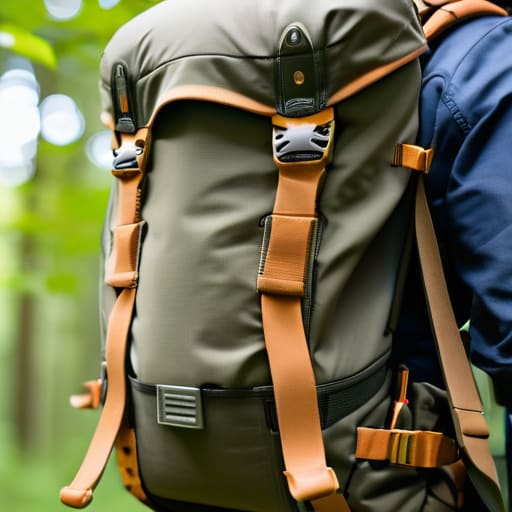
First, stop treating your camera bag like a glorified sack of potatoes. If you’re just throwing everything in and pulling the straps tight against your neck, you’re asking for a week of physiotherapy. You need to focus on proper backpack weight distribution; the heaviest items—your body, your lenses, that annoying extra battery grip—should sit as close to your spine as possible, mid-back height. If the weight is pulling you backward, you’ll instinctively hunch forward to compensate, and that’s exactly how you end up with a permanent knot between your shoulder blades.
Next, let’s talk about the harness. Most people neglect the hip belt because it feels “clunky,” but that belt is actually doing the heavy lifting so your shoulders don’t have to. Tighten it until the weight rests on your pelvis, not your traps. This simple move is the secret to preventing lumbar strain when you’re lugging a tripod and a lighting kit through a crowded studio or up a flight of stairs. Check your correct shoulder strap adjustment every time you add a new lens to the bag; if the straps are loose, the gear shifts, your center of gravity dies, and your posture goes out the window.
Common Mistakes to Avoid
The biggest mistake I see—and I’ve made it myself during those frantic, early-morning wedding commutes—is treating a heavy camera bag like a standard school rucksack. You can’t just throw everything in and pull the straps tight until they’re digging into your collarbones. When you neglect correct shoulder strap adjustment, you aren’t just uncomfortable; you’re forcing your upper body to compensate for a shifting center of gravity. If the weight is pulling you backward, your neck is going to pay for it by the end of the day.
Another trap is the “one-strap” lifestyle. I know, it feels casual, but swinging a heavy bag on one shoulder is a one-way ticket to a pinched nerve. It ruins your spinal alignment and forces your torso into a constant, subtle tilt. If you aren’t using the waist belt to transfer that load to your hips, you’re essentially asking your lower back to do all the heavy lifting. Focus on proper backpack weight distribution by keeping the heaviest items—the bodies, the big primes, the lenses—closest to your spine. It’s not about how much you can carry, but how much you can carry without feeling like a different person by lunchtime.
Final Thoughts
At the end of the day, your gear is just a collection of glass and metal; it’s not worth trading your physical health for. I’ve seen too many assistants—and myself, back in the early days—try to power through a twelve-hour shoot with a bag that’s pulling their shoulders into their ears. You can have the most expensive setup in the world, but if you aren’t prioritizing proper backpack weight distribution, you’re just setting yourself up for a week of ibuprofen and resentment.
Don’t treat your kit like a burden you just have to endure. Treat it like a tool that requires its own kind of maintenance. That means checking your correct shoulder strap adjustment every time you switch locations, rather than waiting until your neck starts to ache. If you feel that familiar tug in your lower back, stop. Adjust the hip belt, reset your posture, and breathe. It’s better to lose five minutes of light than to spend the next five years dealing with chronic issues because you were too stubborn to admit the bag was heavy.
Five ways to stop treating your spine like a tripod
- Stop the “one big bag” habit. I know it feels efficient to cram everything into one massive backpack, but you’re just creating a pendulum that pulls your shoulders back and ruins your posture. Split the weight. A dedicated camera backpack for the heavy glass and a separate, lightweight shoulder bag for the small stuff—batteries, wipes, the lens you actually use—keeps the center of gravity closer to your body.
- Invest in a belt, not just straps. If you’re lugging heavy bodies or a telephoto lens, a padded hip belt is non-negotiable. It transfers the load from your delicate lumbar region to your hips, which are actually built to carry weight. If your backpack doesn’t have a sturdy waist strap, you aren’t “traveling light,” you’re just asking for a physiotherapist.
- The “Heavy-to-Body” rule. When you’re packing your bag, the heaviest items—the bodies, the 24-70mm, the heavy prime—need to be snug against the back panel, right against your spine. If you leave a heavy lens sitting at the bottom of the bag, it’s going to sag and pull your shoulders into a permanent hunch.
- Use a rolling case for the heavy lifting, even if it’s an insult to your “rugged” aesthetic. If you’re moving between a van and a studio space, don’t be a hero. Drag a small, sturdy rolling case for the lights and stands. Your back will thank you when you’re fifty, and you won’t be too stiff to hold the camera steady during a long session.
- Mind your gait when you’re loaded up. When we’re carrying heavy gear, we tend to lean forward to compensate for the weight, which puts massive pressure on the lower vertebrae. Try to walk with your chest slightly up and your core engaged. It feels unnatural at first, like you’re performing, but it prevents that slow, grinding ache that sets in halfway through a shoot.
The Weight of the Day
You can buy the most expensive ergonomic backpack on the market, but it won’t save you if you’re still trying to carry three extra lenses and a heavy modifier just because you’re afraid you’ll need them. Your spine doesn’t care about your ‘just in case’ mentality; it only cares about the actual load you’re dragging through the studio.
Iwona Krawczyk
One Last Thing Before You Pack Up
At the end of the day, protecting your spine isn’t about buying the most expensive carbon fiber tripod or a designer camera bag; it’s about the unglamorous logistics of how you actually move through a space. It’s about distributing weight across your hips rather than your shoulders, choosing the backpack over the shoulder bag when the terrain gets messy, and having the discipline to leave the extra lens in the car if you know you won’t use it. We spend so much time obsessing over sensor specs and lighting ratios, but if you’re limping through a shoot because you tried to carry everything in one go, the quality of your images won’t matter. Manage the load, or the load will manage you.
Look, we all want to be the photographer who can carry a full studio setup up five flights of stairs without breaking a sweat, but let’s be realistic. Some days, the client is late, the light is failing, and the gear feels twice as heavy as it did this morning. When those moments hit, don’t try to be a hero. Be smart instead. Your career isn’t a sprint; it’s a long, slow series of commissions that will only happen if you’re still mobile enough to hold the camera. Take care of your body, because once your back decides it’s done, the camera becomes a very expensive paperweight.