
I spent three years assisting in studios where the lighting technicians would lecture you on the “soul” of a vintage lens, but let’s be honest: when you’re trying to figure out how to sell old gear well, nobody cares about the soul of your glass. They care about the dust on the element, the scratch on the barrel, and whether or not you’re a complete amateur. I’ve sat in my kitchen, surrounded by half-developed rolls of film and a pile of kit I no longer use, realizing that the biggest hurdle isn’t the technical specs—it’s the exhausting reality of dealing with buyers who either want a miracle for pennies or don’t know the difference between a shutter count and a prayer.
I’m not here to give you a polished marketing seminar or tell you to hire a professional stylist for your eBay listing. This is about the messy, practical side of the transaction: how to document the flaws so you don’t get ghosted, how to price things when the market is shifting under your feet, and how to avoid the headaches that come with shipping fragile optics. I’m going to tell you exactly how I handle my own kit transitions, without the fluff.
The Gear Is Fine Why Resale Value Optimization Isnt About Tech
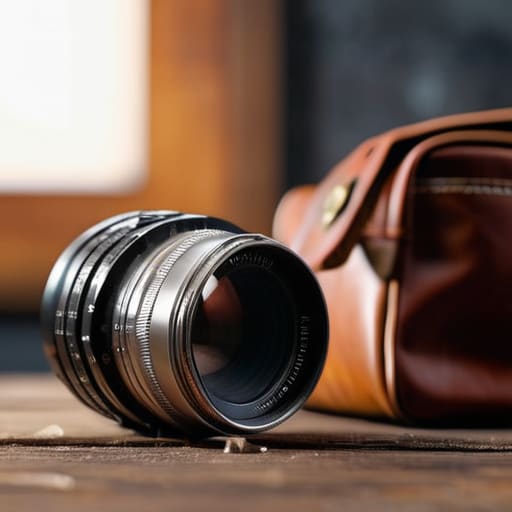
Everyone wants to talk about the sensor count or the number of autofocus points, as if a buyer is going to pay a premium because you memorized the spec sheet. They aren’t. When I’m looking at a listing for a used prime lens, I don’t care about the theoretical sharpness; I care about the dust inside the barrel and whether the zoom ring feels like it’s grinding through sand. Most people fail at resale value optimization because they treat the gear like a math problem instead of a physical object that has lived a life in a dusty bag.
If you want to actually move something, you have to stop being a salesperson and start being an inspector. Real item condition assessment means being brutally honest about that tiny scratch on the filter thread or the fact that the rubber grip is starting to peel. I’ve learned that a buyer will forgive a bit of wear, but they will never forgive a lack of transparency. If you hide the flaws to chase a higher price, you aren’t maximizing profit; you’re just inviting a headache and a return request that will cost you more than the gear was worth.
The Room Is the Problem Decluttering Electronics and Equipment Properly
Most people think they can just throw a lens into a padded envelope and call it a day, but the real work starts with decluttering electronics and equipment from your actual workspace. If your gear is sitting in a dusty corner of a studio that smells like stale coffee and old cables, you’ve already lost. I’ve learned the hard way that a buyer can smell a lack of care through a screen. Before you even think about a listing, you need to clear the mental and physical clutter. Clean the sensor, wipe the dust off the magnesium alloy, and find that specific lens cap you swore was lost in 2019.
This stage is really about a rigorous item condition assessment. Don’t just assume the autofocus is snappy because it was last year; test it. Check the rubber grips for peeling and the zoom rings for grit. If you’re serious about maximizing profit on secondhand items, you have to be your own harshest critic. If a piece of kit looks like it’s been dragged through a hedge, don’t lie about it—just fix it or price it accordingly. The goal is to present gear that looks like it was respected, not just survived.
Honesty Over Hype a Realists Item Condition Assessment
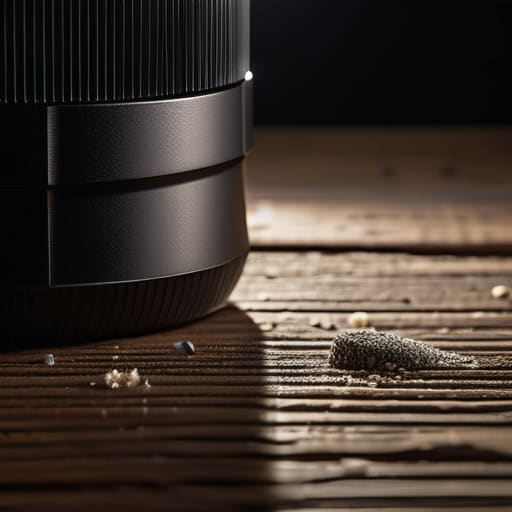
Look, I’ve seen it a dozen times: someone lists a lens as “mint” because they wiped the dust off with a microfiber cloth, only to have a buyer tear them apart in the messages because the AF motor sounds like a bag of gravel. A proper item condition assessment isn’t about making your gear look pretty for a single Instagram shot; it’s about being brutally honest about the scars. If there’s a scratch on the barrel from when you dropped it during a frantic wedding shoot, say so. If the rubber zoom ring is starting to peel, mention it.
Trying to mask flaws is a losing game. In my experience, transparency is actually your best tool for maximizing profit on secondhand items because it builds immediate trust with people who actually know what they’re looking at. When you’re honest about the “character marks,” you bypass the inevitable argument and attract the buyer who is looking for a bargain, not a museum piece. You aren’t just selling a piece of glass; you’re selling the fact that you aren’t trying to scam them.
How to Sell Old Gear Well Without Losing Your Mind
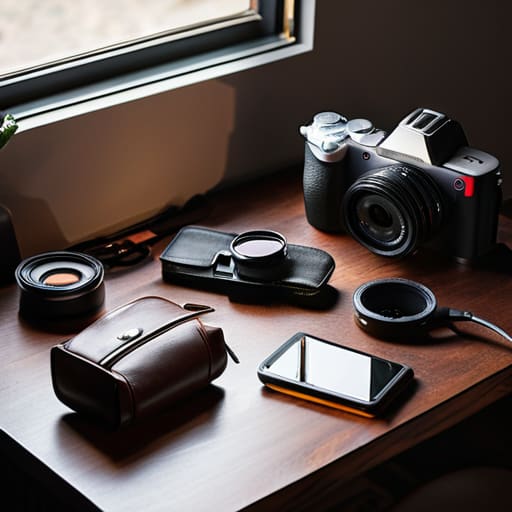
The real danger isn’t the price drop; it’s the mental drain of managing a hundred tiny, annoying conversations. If you try to list everything at once, you’ll end up staring at a pile of lens caps and half-empty memory cards feeling like you’re drowning. To actually succeed at maximizing profit on secondhand items, you have to treat the sale like a production. Group your gear into logical bundles—a body with its kit lens, or a lighting kit that actually stays together—rather than selling every single AA battery and lens hood individually. It’s more work upfront, but it saves your sanity later.
Once the listings are live, the battle shifts to the logistics of shipping. I’ve learned the hard way that a “carefully packed” box is often just a prayer in a cardboard shell. If you aren’t shipping used goods safely with enough bubble wrap to cushion a fall from a ladder, a disgruntled buyer will eat your entire margin in a return claim. Don’t let the fear of a broken shutter or a scratched element stop you from selling, but don’t be naive either. Pack like you’re sending it to a client, not a neighbor.
The Digital Stage Online Marketplace Best Practices for Humans
Once you’ve actually done the hard work of an honest item condition assessment, you have to face the digital reality: most listings look like they were written by someone in a dark room with a broken keyboard. If you want to succeed with online marketplace best practices, stop treating your description like a technical spec sheet. People aren’t just buying a sensor or a lens element; they are buying the assurance that you aren’t a flake. Write like a person. Mention the specific scratches, yes, but also mention that the lens has been kept in a dry cabinet or that the shutter count is low because you mostly shot film.
The photos are where most people fail. Don’t just take one blurry shot of the gear sitting on a messy bed. Use that single light you have, clear a corner of your desk, and show the ports, the glass, and the serial number. If you’re serious about maximizing profit on secondhand items, you need to prove the gear is as clean as you claim it is. It’s about building a tiny bit of trust before a single word is exchanged.
Maximizing Profit on Secondhand Items and Shipping Used Goods Safely
If you’ve done the work of a proper item condition assessment and cleared the clutter, you’re left with the actual math. To get the most out of maximizing profit on secondhand items, you have to stop thinking like a person selling a used tool and start thinking like a person selling a solution. If you’re selling a lens, don’t just list the focal length; mention that the glass is clean and the AF is snappy. People pay a premium for the peace of mind that comes with knowing they won’t be fighting a faulty motor the moment they unbox it.
Then comes the part everyone dreads: the logistics. When it comes to shipping used goods safely, the “it’ll be fine” approach is how you end up in a heated argument with a buyer over a cracked element. I don’t care how much you love your original, beat-up camera bag—if you’re shipping a body or a prime lens, use a proper hard case or, at the very least, double-box it with enough bubble wrap to make it feel like a small pillow. It’s an extra five minutes of effort that saves you weeks of headache.
The Five Things That Actually Close the Deal
- Stop taking photos of your gear on a messy bedspread. If you want someone to believe your lens is clean, show it on a neutral, hard surface with decent natural light coming from a window. If the photo looks like a snapshot taken in a dark bedroom, the buyer is already assuming there’s dust under the glass.
- Document the “ugly” bits before they become a dispute. If there is a tiny scratch on the magnesium alloy or a bit of rubber peeling on the grip, photograph it clearly. I’ve learned that being the one to point out the flaw builds more trust than any “mint condition” claim ever could.
- Bundle the things people actually want, not just the junk. If you’re selling a body, include the battery you actually trust and the charger that doesn’t overheat. It’s much easier to sell a “ready-to-shoot” kit than a collection of loose parts that makes the buyer do extra math.
- Write for the person who is nervous about getting scammed. Don’t just list the specs—everyone can Google the focal length. Tell them how it feels, how it performs, and why you’re letting it go. A human description beats a copy-pasted spec sheet every time.
- Master the art of the “pre-emptive strike” in your messaging. When someone asks a question you’ve already answered in the description, don’t get snarky; just be brief and helpful. The goal is to move them from “is this real?” to “where do I send the money?” as quickly as possible.
The Ghost in the Gear
Selling a camera isn’t about listing megapixels or sensor specs; it’s about proving to a stranger that you actually cared for the thing. People don’t just buy a lens—they buy the confidence that you didn’t drop it in a puddle or leave it in a damp bag for three years.
Iwona Krawczyk
The Final Frame
At the end of the day, selling your gear isn’t some high-level technical maneuver; it’s just a series of small, practical decisions. It’s about being honest when a lens has a bit of dust in the barrel, cleaning the sensor before you even think about taking a photo for a listing, and realizing that a clear, well-lit shot of the actual item will do more for your bank account than any flowery description. You aren’t just moving inventory; you are managing expectations and fighting the chaos of a marketplace that thrives on ambiguity. If you do the work upfront—the cleaning, the honest assessment, and the decent packaging—you avoid the inevitable headache of a buyer claiming they were misled.
I know it feels heavy, staring at a pile of kit that used to be your lifeline, especially when you’re deciding what stays and what goes. But remember that gear is just a tool to help you see, and its value isn’t tied to your worth as an artist. Let the old bodies and the scratched modifiers go so you can make room for the work you’re actually doing now. The gear is replaceable; your vision isn’t. Once the clutter is gone and the transactions are settled, you’ll find that the space you’ve cleared is exactly what you needed to start the next chapter.
