
I once spent three hours in a “perfectly curated” loft in East London, only to realize halfway through a corporate headshot session that the massive floor-to-ceiling windows were facing directly into a construction site. Every time a jackhammer went off, my subject jumped, and every time a crane swung by, the light shifted so violently I couldn’t maintain a consistent exposure. I had all the expensive modifiers in my van, but they were useless because I hadn’t actually learned how to scout a location for its problems. I was too busy looking at the aesthetic and not enough at the practical nightmare waiting to happen.
This isn’t going to be a lecture on how to make a mood board or find “vibey” architecture. I’m going to tell you what to actually look for when you walk into a room: the placement of power outlets, the direction of the sun at 3:00 PM, and whether the ceiling is low enough to make your lighting setup feel like a claustrophobic mess. This is about the unsexy logistics that prevent a shoot from turning into a disaster.
The Room Is the Problem How to Scout a Location
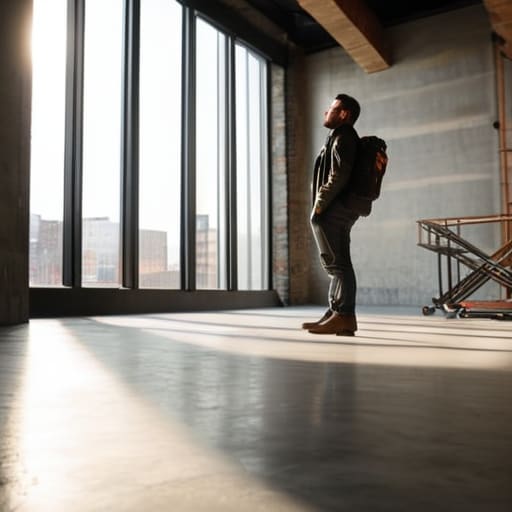
When I walk into a space for the first time, I’m not looking at the decor; I’m looking at the ceiling height and the window placement. If you’re shooting a portrait and that massive floor-to-ceiling window is facing north, you’ve got beautiful, consistent light. But if it’s facing west at 4:00 PM, you’re in for a fight with harsh shadows and heat. Part of my site visit best practices is checking the power outlets—not just seeing if they exist, but seeing if they’re on a circuit that’s going to trip the moment I plug in a single strobe and a heater. There is nothing quite as soul-crushing as a client paying a premium only for you to spend forty minutes hunting for an extension cord.
You also need to look at the floor. If it’s high-gloss marble and you’re trying to do video, your reflections are going to be a nightmare. I always keep a mental film location scouting checklist that includes the “noise” factor: is there a construction site next door or a refrigerator that hums like a jet engine? If you ignore the production logistics planning of the actual environment, no amount of expensive glass is going to save the shot.
Beyond the View Critical Cinematography Lighting Considerations
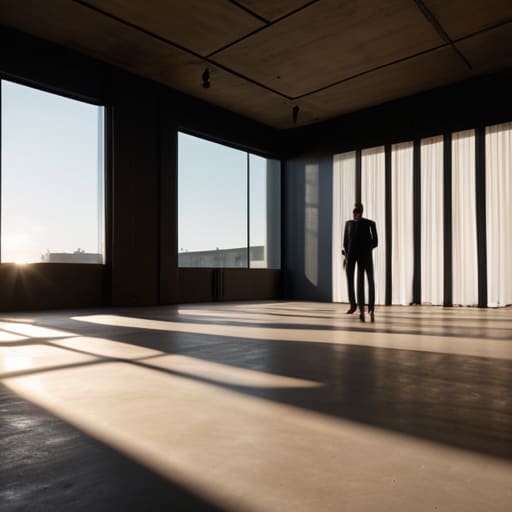
Once you’ve looked at the floor plan, you have to look at the ceiling and the windows—not just for aesthetics, but for the physics of the light. When I’m doing my initial scouting for photography shoots, I’m not just looking at the view; I’m looking for the shadows. I need to know if those massive floor-to-ceiling windows are going to turn my controlled portrait session into a frantic battle against a moving sun. If you can’t black them out with heavy fabric, you aren’t in control of your light, and you’re already losing the battle before the client arrives.
This is where most people fail their cinematography lighting considerations. They see a beautiful room and assume it’s a blank canvas, but they forget about the “hidden” light: the humming fluorescent strip in the hallway or the weirdly colored light spilling in from a streetlamp. I always check the power outlets next. There is nothing quite as soul-crushing as realizing your key light is on a circuit that’s about to trip because the client decided to run the espresso machine at the same time. Check the plugs, check the windows, and don’t trust the ambient light.
A Film Location Scouting Checklist for the Unprepared
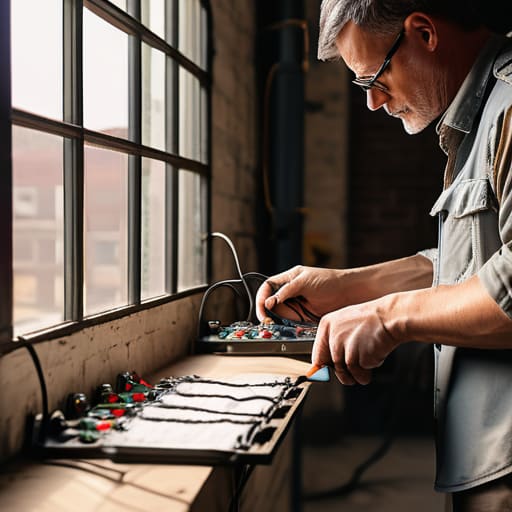
If you show up to a shoot without a mental—or actual—film location scouting checklist, you aren’t being “spontaneous,” you’re just being unprepared. I’ve learned the hard way that the most beautiful loft in the city is useless if there isn’t a single outlet within twenty feet of where your subject needs to stand. When you’re scouting for photography shoots or video, you need to look past the aesthetics and start thinking about production logistics planning. Check the power load; can that ancient circuit handle two strobes and a heater, or are you going to trip a breaker ten minutes into the first setup?
Don’t forget the invisible stuff, either. I always check the acoustics—if there’s a hum from a refrigerator or a construction site next door, your video work is dead on arrival. I also make it a habit to scout the “path of travel.” Can you actually get a heavy C-stand or a tripod through that narrow doorway without scraping the walls? It sounds trivial until you’re sweating, trying to maneuver gear through a space that was never meant for production.
Site Visit Best Practices Before the Chaos Starts
When you actually show up to the site, don’t just stand there with your hands in your pockets looking at the view. You need to be a bit of a nuisance. Walk the perimeter, test the floorboards, and listen to the hum of the air conditioning. One of my biggest site visit best practices is to physically stand where the subject will be and look at the ceiling. If you see a massive, industrial HVAC vent directly above your frame, you’ve just inherited a massive headache that no amount of post-production can fix.
While you’re there, treat the space like a puzzle of production logistics planning rather than a pretty backdrop. Check the power outlets—and I mean actually check if they work, don’t just assume they do—and see if you can reach them without running cables through a doorway that someone is going to trip over every five minutes. If you’re doing something more formal, like a corporate shoot in a rented office, ask about the rules for managing location permits or noise restrictions early. It’s much easier to solve a logistical nightmare on a Tuesday afternoon during a scout than it is when you have a crew standing around waiting for you to fix it.
The Invisible Friction of Production Logistics Planning
You can have the most beautiful, light-drenched loft in the city, but if you haven’t accounted for the three flights of stairs and a broken elevator, your shoot is already dead in the water. This is where production logistics planning moves from a boring administrative task to a survival skill. I’ve spent more time sweating through a t-shirt carrying heavy C-stands up narrow stairwells than I have actually clicking the shutter. When you are scouting for photography shoots, you aren’t just looking for a pretty backdrop; you are looking for the friction points—the narrow doorways, the lack of power outlets, and the inevitable “no parking” zones that will eat twenty minutes of your precious setup time.
It’s also about the people you aren’t looking at. I always ask about the neighbors or the office manager next door. If you’re planning to use a loud generator or a heavy strobe setup, you need to know if you’re about to trigger a noise complaint. Managing location permits isn’t just red tape; it’s your shield when the building manager decides your lighting rig is an eyesore. Don’t let a lack of foresight turn a professional commission into a chaotic scramble.
Managing Location Permits and Other Practical Nightmares
Then there’s the paperwork, the part of the job that feels less like art and more like being a middle manager. I used to think that if I found the perfect corner of a cafe or a quiet studio, that was the end of it. It isn’t. Managing location permits is the invisible tax you pay for wanting to shoot somewhere that isn’t your living room. If you’re doing a small corporate headshot, you might get away with a handshake and a coffee, but the moment you bring in a tripod and a light stand, you’re a “production.” If you don’t have that signed piece of paper in your hand, you are essentially just a person making a scene, and someone with a clipboard will eventually tell you to pack up.
Don’t let your production logistics planning end once you’ve checked the windows for light. You need to know exactly who has the authority to say “no” on the day. Is it the owner? A security guard? A city official? I’ve learned the hard way that a beautiful space is useless if you’re spending half the shoot looking over your shoulder. Always assume the permission you were given verbally is a lie until it’s written down.
Five Things I Look For (That Aren't the View)
- Check the outlets, then check them again. There is nothing quite as soul-crushing as finding the perfect corner for a seated portrait only to realize you’re forty feet from a socket and the client refuses to trip over an extension cord.
- Listen to the room’s “hum.” I don’t just mean the traffic outside; I mean the HVAC system, the buzzing fridge in the corner, or that one weirdly loud light fixture. If it’s going to ruin your audio on a video commission, it’s a dealbreaker.
- Test the light at the actual time of the shoot. A window that looks heavenly at 10:00 AM during your scout might be a harsh, direct glare-fest at 2:00 PM when the client actually shows up.
- Map the “clutter zones.” You need to know exactly where the subject’s bag, the coffee cups, and the extra batteries are going to live so they aren’t encroaching on your frame or making the set look like a disaster zone.
- Find the “panic” bathroom. Scout the nearest clean, accessible restroom for your subject. If they’re nervous about their hands or their hair, they’re going to need a private place to reset, and you don’t want them wandering through a busy lobby to find one.
The Myth of the Perfect Set
You can buy the most expensive softbox in the world, but it won’t save you if you haven’t checked the window facing the subject or realized the client’s ‘minimalist office’ is actually a glorified closet with flickering fluorescent tubes. Scouting isn’t about finding beauty; it’s about finding the problems before they find you.
Iwona Krawczyk
The Reality Check
At the end of the day, scouting isn’t about finding a pretty backdrop for your mood board; it’s about anticipating the exact moment things will go sideways. It’s about knowing that the north-facing window will be useless by 3:00 PM, that the power outlet is tucked behind a heavy filing cabinet, and that the client’s “quiet office” actually shares a wall with a construction site. If you’ve checked the light, mapped the power, and accounted for the unseen friction of logistics, you aren’t just being organized—you are actively protecting your ability to actually do the work. You’re making sure that when the subject finally relaxes and asks what they should do with their hands, you aren’t stuck wrestling with a dead battery or a flickering fluorescent tube.
Don’t let the technicality of it all drain the joy out of the process. Yes, the scouting is tedious, and yes, the permits are a headache, but this is where the real artistry begins. When you master the room, you stop fighting the environment and start collaborating with it. You move from being a person with a camera to being a director who knows exactly how to use the space to tell a story. Trust the preparation, embrace the messy reality of the location, and remember: once the chaos is managed, you can finally get back to the part that actually matters.