
I can still feel the sweat pooling under my collar from that Tuesday in mid-July, standing in a cramped studio that smelled faintly of stale coffee and ozone. The client was thirty minutes late, the lighting assistant was frantically resetting a softbox that had just blown a fuse, and my subject—a CEO who had clearly decided he was “not a photo person”—was staring at his watch with growing hostility. Most textbooks will tell you to check your gear or recalibrate your workflow, but they never mention the internal panic of realizing you’ve lost the rhythm of the room. Learning how to manage a shoot that is running late isn’t about technical precision; it’s about managing the sudden, heavy tension in the air before it turns into a disaster.
I’m not here to give you a checklist of gear you should have checked an hour ago. Instead, I want to talk about the triage of a collapsing schedule. I’m going to share the specific, unpolished ways I decide which shots to kill and which ones to fight for when the clock becomes your enemy. This is about making the hard calls—the ones involving lighting compromises and client psychology—so you can walk out of the room with a usable file and your dignity intact.
Understanding How to Manage a Shoot That Is Running Late
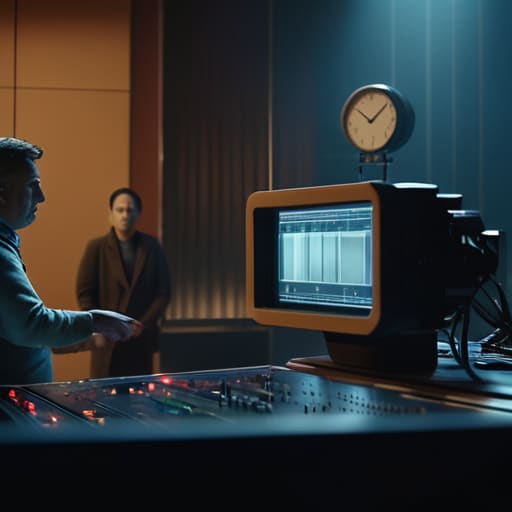
First, you have to accept that the schedule is already dead. Once you’re forty minutes behind because the client’s CEO couldn’t find the studio or the lighting rig decided to act up, you can stop pretending the original plan matters. This isn’t about following a spreadsheet anymore; it’s about on-set crisis management that feels less like a military operation and more like a triage unit. You need to stop looking at the clock with panic in your eyes—subjects can smell desperation, and it makes them freeze up even more.
Instead, you start adjusting shot lists mid-production based on what is actually achievable in the remaining time. I’ve learned that it’s better to deliver three perfect, high-impact portraits than ten mediocre ones that feel rushed and hollow. You look at your list and decide: which shots are the non-negotiables for the contract, and which ones are just “nice to haves”? You prioritize the hero shots, simplify your lighting setup to something faster, and accept that the “creative experimentation” phase of the morning is officially over.
Key Things to Know
First, you have to accept that the schedule is a living, breathing thing, not a stone tablet. When you’re twenty minutes behind because the client’s CEO couldn’t find his glasses, you can’t just keep staring at the clock with a panicked expression; that’s how you lose the room. You need to pivot toward adjusting shot lists mid-production without making it look like a frantic scramble. I’ve learned that it’s better to cut the “nice-to-have” shots—the ones that require three light changes and a complex set move—and focus on the core deliverables.
Second, keep your eyes on the people, not just the gear. Most of the time, the delay isn’t a technical glitch; it’s a person. Whether it’s a model who needs more time with hair and makeup or a client who is suddenly rethinking their entire brand direction, managing talent expectations becomes your primary job. If the subject feels the tension in the air, they’ll freeze up, and then you’re not just losing time—you’re losing the light and the mood. Keep your voice steady, keep the instructions simple, and remember that your calm is the only thing keeping the production from tilting into a total meltdown.
Practical Tips and Steps
First, stop trying to save every shot. When you’re twenty minutes behind because the lighting setup took longer than expected, you have to start adjusting shot lists mid-production. I’ve learned that it’s better to deliver five killer, high-impact portraits than fifteen mediocre ones that feel rushed and hollow. Look at your list and pick the “must-haves” versus the “nice-to-haves.” If a specific background is eating up your time, ditch it. Move the subject to the most reliable setup and keep moving.
Second, you need to master the art of managing talent expectations without looking like a panicked amateur. If the subject feels your stress, they’ll freeze up, and then you’re really in trouble. I don’t tell them we’re behind; I tell them we’re “shifting gears to prioritize the best looks.” This is where on-set crisis management becomes less about technical fixes and more about psychological ones. Keep your voice steady, keep your movements deliberate, and remember: if you act like you meant to do this, they’ll believe you.
Common Mistakes to Avoid
The biggest mistake I see—and I’ve certainly made it myself—is trying to pretend everything is fine when the schedule is clearly bleeding out. When you start rushing the setup or skipping the lighting checks just to save ten minutes, you aren’t actually saving time; you’re just trading technical quality for a frantic energy that the subject will pick up on immediately. If you look panicked, they will look panicked. This is where managing talent expectations becomes your most important tool. If you don’t acknowledge the delay with a calm, “We’re running a bit behind, so we’re going to pivot to the close-ups first,” the subject spends the whole session wondering if they’ve done something wrong.
Another trap is the urge to stick to the original plan like it’s holy scripture. I’ve seen photographers ruin a shoot by trying to force a complex three-light setup when they only have twenty minutes left. You have to be willing to start adjusting shot lists mid-production. If the lighting is too slow to dial in, drop the modifiers, go back to a single strobe, and get the essential frames. Don’t let the pursuit of the “perfect” shot kill the entire production.
Final Thoughts
At the end of the day, a schedule is just a polite suggestion we make to the universe before reality sets in. You can spend all morning obsessing over production schedule optimization, but if the client arrives forty minutes late or the light shifts unexpectedly, the math changes. My advice is to stop fighting the clock and start managing the energy in the room. If you spend the whole session panicking about the time, your subject will feel that tension, and you’ll end up with portraits that look just as stressed as you feel.
Instead of trying to squeeze every single shot from the original list, focus on the hierarchy of what actually matters. This is where adjusting shot lists mid-production becomes your best friend. Cut the fluff, nail the hero shots, and let the rest go. It’s better to leave with three incredible images than ten mediocre ones because you were rushing to satisfy a spreadsheet. Trust your gut, keep your communication clear, and remember: the goal is the image, not the itinerary.
Five ways to stop the bleeding when the schedule collapses
- Kill your darlings—and your lighting setups. If you were planning on a complex three-light setup with a beauty dish and a rim light, but you’re forty minutes behind, scrap it. Switch to one large octa and a reflector. It takes ten seconds to move, and you can actually get the subject in front of the lens before they lose their confidence.
- Stop apologizing for the delay. I know, it feels polite, but every time you say “I’m so sorry we’re behind,” you’re signaling to the client that the ship is sinking. Instead, pivot to command mode. Say, “We’re shifting the workflow to make sure we hit the most important shots first.” It’s not a lie, and it keeps the energy from bottoming out.
- Triaging the shot list is your new job. Look at your list and find the “hero” shots—the ones the client is actually paying for. If you’re shooting a corporate team, that means the CEO’s portrait and the group shot. If you’re running out of time, the “lifestyle” shots of them laughing over coffee are the first things to go.
- Watch your subject’s hands. When a shoot runs late, the tension in the room spikes, and that’s when people start doing weird things with their hands or stiffening their shoulders. If you see them getting twitchy because they’re worried about the time, stop the technical talk and just ask them what they’re doing with their hands. It breaks the tension and gets them back into the moment, even if you only have five minutes left.
- Simplify the kit. If you’re running late and realize you need a different focal length, don’t spend ten minutes swapping lenses and recalibrating autofocus. Pick the lens that is “good enough” for everything else and stay on it. A slightly sub-optimal focal length is better than a perfect one that you never actually get to use because you were too busy fiddling with gear.
The Real Cost of the Clock
When you’re twenty minutes behind, the temptation is to start rushing the setup, but you can’t outrun a bad light. You don’t need a faster shutter speed; you need to strip the kit down to the essentials, stop apologizing to the client, and start making the hard choices between the shot you wanted and the shot you actually have time to take.
Iwona Krawczyk
The Final Frame
At the end of the day, managing a late shoot isn’t about mastering your gear or finding a faster way to swap lenses; it’s about how you manage the energy in the room. You’ve learned that you can’t fight the clock, but you can decide how you react to it. By prioritizing your lighting setup, communicating clearly with the client, and knowing exactly when to abandon the complex modifier in favor of a single, reliable light, you keep the production from spiraling. Remember: the goal isn’t to execute every single shot on your original list, but to secure the essential images before the light dies or the subject loses their patience.
When you finally pack up your kit and the adrenaline starts to fade, don’t let the stress of the delays haunt your post-production process. We have all been there—staring at a ticking clock while a client’s vision shifts under our feet—and we have all felt that momentary panic. But here is the truth: some of my most honest, striking portraits came from the chaos of a shoot that was falling apart. If you can keep your head, trust your instincts, and stay present, you’ll find that the best work often happens in the narrow window between the chaos and the finish line.
