
I once spent three hours on a corporate headshot session where the lighting was perfect, the lens was tack sharp, and the subject looked like they were undergoing a root canal. The culprit wasn’t my strobe or the aperture; it was the fact that the client had spent forty-five minutes in the chair fighting with a stylist over a hair texture that simply didn’t exist in that humidity. We always talk about gear, but we never talk about the delicate, often messy human choreography of how to work with a hair and makeup artist without losing the entire afternoon to a debate over matte versus dewy.
If you’re looking for a list of expensive products to buy or a lecture on “finding your aesthetic,” you’ve clicked on the wrong notebook. I’m here to talk about the actual logistics: how to manage the clock when the foundation isn’t setting, how to communicate with a pro when the subject is starting to panic, and why you need to stop treating the beauty chair like a separate entity from the shoot. This is about the unspoken social contract between the photographer and the artist that keeps a production from collapsing into chaos.
Understanding How to Work With a Hair and Makeup Artist
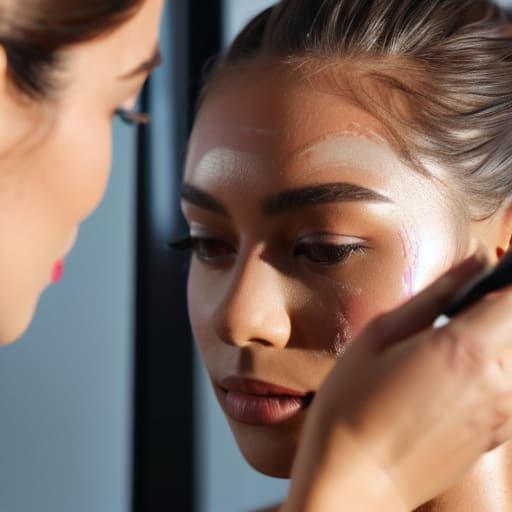
First, you have to stop viewing the HMUA as a vendor you’ve hired to “fix” the subject. They aren’t there to perform a miracle on a person who hasn’t slept or eaten; they are there to execute a vision. When you’re coordinating a shoot, your job is to facilitate the hmua booking process by ensuring they actually have a say in the schedule. If you show up with a client who is already sweating through their foundation because you’re forty minutes late, you’ve already lost the battle.
The most effective way to avoid a disaster is through communicating beauty preferences long before the lights are even turned on. I always tell my assistants to ask the client if they’ve done a bridal hair and makeup trial—even if it’s not a wedding—just to gauge how much direction they actually need. Some people want to be told exactly what to do, while others will fight you if you suggest a different lip shade. You need to know which one you’re dealing with before you’re standing in a cramped studio with a ring light and a ticking clock.
Key Things to Know
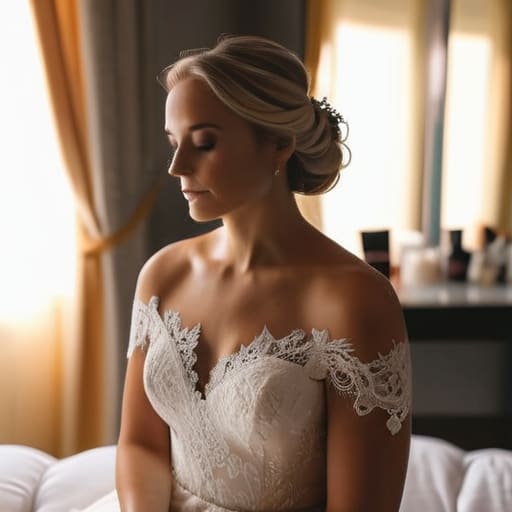
First, let’s talk about the math of the morning. If you’re shooting a wedding, you aren’t just managing people; you’re managing a countdown. A common mistake is treating the wedding day beauty timeline like a suggestion rather than a law. If the bride is scheduled for 9:00 AM but doesn’t show up until 9:45, you aren’t just losing time—you’re eating into the light you needed for portraits. I’ve learned to build in a thirty-minute “buffer of chaos” for every three people in the chair. It’s better to have a quiet moment of coffee than to be frantically shoving a brush into a face while the sun is hitting the window at a perfect, fleeting angle.
Second, don’t be the photographer who arrives and expects the artist to read your mind. You need to be proactive about communicating beauty preferences before the first brush stroke even hits the skin. I always ask my artists if they’ve seen the mood boards, and I make sure the client has actually done a bridal hair and makeup trial beforehand. If the look hasn’t been tested, you’re essentially gambling with the lighting. You’ll spend half the shoot trying to fix a stray hair or a matte foundation that looks like concrete under a strobe, and that’s time we can’t get back.
Practical Tips and Steps
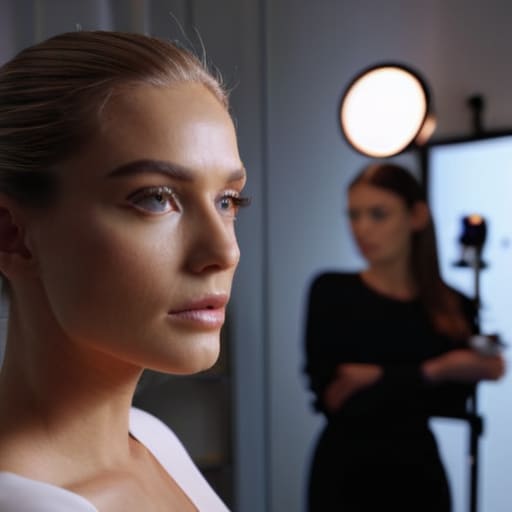
First, stop treating the HMUA as a separate entity from the shoot. They are your most important collaborator in the room. When you’re setting up your lighting, don’t just bark orders; walk over and ask them how the skin is looking under the strobe. If you’re shooting a wedding, the wedding day beauty timeline is your bible, but it’s a living document. If the hair stylist is running fifteen minutes behind because the bride’s sister is having a crisis, don’t just stand there staring at your light meter. Adjust your start time, grab a coffee, and keep the energy calm.
When it comes to the actual prep, I always tell my assistants that clarity beats politeness every single time. If you’re working with a client, ensure they’ve done a bridal hair and makeup trial beforehand. It’s much easier to tweak a look that’s already been practiced than to try and reinvent a person’s entire identity while you’re staring down a ticking clock and a mounting shot list. Don’t be afraid to ask for more powder or a different hair spray; the artist would much rather fix a shine now than have you struggle with it in post-production.
Common Mistakes to Avoid
The biggest mistake I see is treating the HMUA like a vending machine—you press a button, and the “look” comes out. If you haven’t spent time communicating beauty preferences before the day of the shoot, you’re going to spend your precious lighting window trying to fix a foundation that’s two shades too heavy for the lens. Don’t wait until the client is sitting in the chair to realize they wanted “natural” but actually meant “heavy contour for film.”
Another killer is the scheduling vacuum. I’ve been on shoots where the entire production stalled because the wedding day beauty timeline was treated as a suggestion rather than a law. If your hair and makeup are running forty minutes late, your light is going to be gone, and your subject is going to be cranky. You can’t fix a bad mood with a better modifier.
Finally, stop skipping the bridal hair and makeup trial for your high-stakes clients. It’s not just about the look; it’s about testing how that specific product reacts to the studio strobes. If you don’t test it, you’ll spend the whole session fighting skin texture that looks like a topographical map on camera.
Final Thoughts
At the end of the day, remember that the beauty team isn’t there to make your life easier; they are there to make the subject look like themselves on their best day. If you try to micromanage the brush strokes, you’ll just end up with a tense subject and a frustrated artist. Instead, focus on the logistics. Make sure your wedding day beauty timeline actually accounts for the inevitable person who shows up late or the hairspray that takes ten minutes too long to dry.
The most successful shoots I’ve been on happen when the photographer, the client, and the HMUA are all playing the same game. This starts long before the first foundation wipe is used. If you are coordinating a large group, treat the bridal hair and makeup trial as a non-negotiable rehearsal for the actual energy of the shoot. If the trial is a disaster, the shoot will be a disaster. Keep your communication clear, keep the coffee flowing, and for heaven’s sake, keep the lighting kit away from the makeup station until they are actually finished.
Five ways to keep the HMUA from hating you
- Feed them first. It sounds trivial, but if your hair and makeup artist is working a six-hour block on an empty stomach while you’re fueled by caffeine and adrenaline, they are going to lose their edge. A hungry artist is a tired artist, and a tired artist makes mistakes with eyeliner that you’ll be seeing in high-def for the rest of the day.
- Stop hovering. I know you want to see the progress, but standing three feet away while they’re trying to blend foundation is a recipe for disaster. Give them space. If you’re worried about the direction, check in during the natural breaks—after the base is down, or before they move to the hair. Let them work the magic in peace.
- Respect the “No” on lighting. If they tell you that the heavy contour they’ve applied won’t hold up under your specific strobe setup, believe them. Don’t try to “fix” it by adding more light or changing the modifier mid-session; instead, talk to them about how we can adjust the light to flatter the look they’ve already built.
- Build a buffer into the call sheet. If you schedule hair and makeup to finish exactly five minutes before the first shot, you have already lost. Between a client who shows up late or a sudden breakout that needs extra concealer, you need at least a thirty-minute cushion. That buffer is the difference between a calm set and a frantic one.
- Show, don’t just tell. “Natural but polished” means something entirely different to a makeup artist than it does to a corporate CEO. Don’t rely on adjectives. Bring actual reference photos—not just of the “vibe,” but of the specific skin texture and hair tension you’re looking for. It saves everyone the headache of having to undo work that was never wrong, just misunderstood.
The Real Power Dynamic
Stop treating the hair and makeup artist like a service provider you can just schedule around; they are your first line of defense against a subject who feels like they look terrible, and if you don’t respect their space, you’ll spend the rest of the shoot fighting the lighting instead of the ego.
Iwona Krawczyk
The Bottom Line
At the end of the day, working with a hair and makeup artist isn’t about mastering a technical checklist; it’s about managing the energy in the room. If you treat them like a service provider you can ignore until the moment the subject steps in front of my lens, you’ve already lost. You need to communicate the lighting setup early, respect the time it actually takes to do a decent job, and remember that they are your first line of defense against a client who feels self-conscious. When you sync up the aesthetic goals before the first brush touches skin, you stop fighting the clock and start actually facilitating the creative process.
When everything finally clicks—the light is hitting the eyes just right, the skin looks matte but real, and the subject finally stops fidgeting with their hands—you realize that the magic wasn’t in the gear. It was in the collaboration. Photography is often sold as this solitary act of clicking a shutter, but the truth is much messier and much more rewarding. If you can learn to trust your team and navigate the friction of a busy studio, you’ll find that the hardest shoots often produce the most honest portraits. Now, go check your schedule and make sure you aren’t running late.
