
I once spent a three-hour corporate headshot session watching two “professionals” descend into a silent, passive-aggressive war because they hadn’t decided who was actually responsible for the light stand and who was watching the client’s awkward fidgeting. They had all the right lenses and a shared cloud account, but they had zero plan for how to split work with another photographer once the chaos of a real studio environment set in. It wasn’t a technical failure; it was a failure of communication. Most people think you just show up, grab a second body, and hope for the best, but hope is not a workflow.
I’m not here to give you a theoretical lecture on partnership models or how to draft a legal contract that neither of you will actually read. Instead, I want to talk about the messy, practical reality of the job: deciding who manages the subject, who handles the gear, and who is the one person responsible for making sure the client doesn’t walk out feeling like a prop. This is about the logistical grit required to work in tandem without tripping over each other’s feet or, worse, each other’s egos.
The Room Is Crowded How to Split Work With Another Photographer
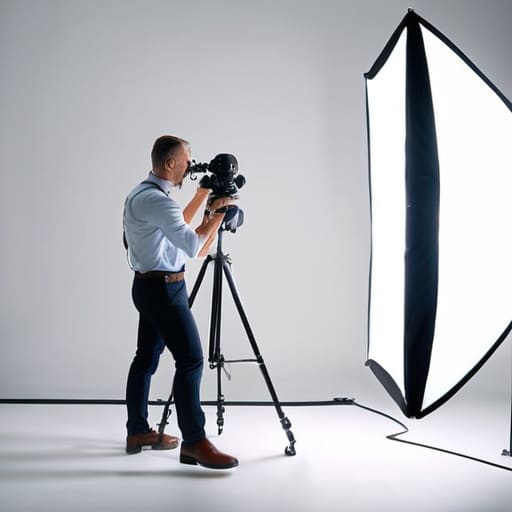
When you’re in a small studio or a cramped office for a corporate headshot session, the biggest threat isn’t a bad lens; it’s the physical clutter of two people trying to occupy the same three square feet. If you haven’t decided who is the primary eye and who is the technical support, you’ll end up tripping over each other’s light stands. I’ve seen shoots spiral because both people were trying to “direct” the subject at once. You need to establish early on whether you are operating as a second shooter vs co-photographer dynamic or if you are true equals. If you’re equals, one of you needs to own the lighting adjustments while the other focuses entirely on the subject’s posture and that awkward hand-placement issue I always ask about.
Beyond the physical space, the real friction happens when the shoot ends. The “work” doesn’t stop when you pack the bags; it’s in the messy aftermath. You have to be incredibly blunt about dividing photo editing responsibilities before you even sign a contract. I’ve seen friendships dissolve because one person spent forty hours in Lightroom while the other thought “splitting the work” just meant showing up to the shoot. Decide now: are you splitting the raw files, or is one person handling the entire post-production pipeline? Get it in writing.
Beyond the Assistant Choosing Second Shooter vs Co Photographer

There is a massive, often awkward difference between hiring a second shooter and entering into a true second shooter vs co-photographer dynamic. When I bring someone on as a second, the hierarchy is clear: I am the captain, they are there to catch the angles I miss or to handle the lighting while I move the subject. It’s a transactional relationship. But if you’re looking at more collaborative photography business models, where you’re both building something together, the rules change completely. You aren’t just sharing a lens; you’re sharing a reputation.
If you decide to move toward a partnership rather than a simple hire, you cannot wing it. You need a formal photography partnership agreement that covers the messy stuff—like who owns the raw files and how you handle a client who wants to sue both of you. It’s not just about who clicks the shutter; it’s about the logistics of dividing photo editing responsibilities so one person isn’t stuck staring at a monitor for forty hours while the other is out shooting. Decide early if you are two solo artists working in parallel or one team working as a single unit.
Protecting the Vision With a Photography Partnership Agreement

This is where things usually get messy. You can have the most seamless workflow in the world on set, but if you haven’t sat down to discuss the boring stuff, a disagreement over a single Instagram post can ruin a friendship. I’ve seen it happen: two people shoot a beautiful wedding, the energy is high, and then the silence hits when it comes to dividing photo editing responsibilities. One person spends forty hours in Lightroom while the other is already onto the next gig, and suddenly, resentment starts to fester.
You need a formal photography partnership agreement, and I don’t mean a massive legal tome that requires a law degree to parse. I mean a clear, written document that answers the uncomfortable questions before they become arguments. Who owns the raw files? If a client asks for a print, how does the money get split? Most importantly, you need to be explicit about sharing client credit and social media tags. If you don’t decide now how you’re going to tag each other in your stories, you’re just asking for a misunderstanding later. Get it in writing while you’re still on good terms.
The Messy Reality of Dividing Photo Editing Responsibilities
Everyone thinks the hard part is the shoot, but the real friction usually starts when you’re both sitting in front of your monitors at 11:00 PM. When you’re dividing photo editing responsibilities, you can’t just “wing it” and hope the color science matches. If I’m shooting a corporate team and my partner is handling the selects, we need a shared preset or at least a very strict conversation about skin tones before a single slider is moved. If one person leans into a moody, high-contrast look and the other goes airy and bright, the client isn’t going to see a cohesive gallery; they’re going to see two different photographers who didn’t talk to each other.
This is where the “creative” side of the job hits the wall of logistics. You have to decide: is one person the Lead Editor and the other the Culler? Or are you both working on the same set of files? I’ve seen partnerships crumble because one person felt they were doing the heavy lifting in Lightroom while the other just took the pretty pictures. You need to treat this like a production line, not a vague suggestion. Decide on the workflow before the SD cards are even in.
Collaborative Photography Business Models and Fair Revenue Sharing
Once you’ve figured out who is holding the camera and who is holding the light, you have to talk about the money, which is usually the part everyone avoids until the first invoice arrives. There isn’t one “correct” way to handle revenue sharing for photography teams, but there are ways that prevent resentment. If you’re operating under a lead-and-assistant model, a flat day rate is cleanest. But if you’re moving into true collaborative photography business models—where you’re both bringing equal skin in the game—you need to decide if you’re splitting the gross or the net. I always tell people to calculate the net; if you don’t account for the cost of the studio rental or the travel, someone is going to end up paying to work.
Then there’s the digital footprint. It’s not just about the bank account; it’s about the ego. You need a clear system for sharing client credit and social media tags. I’ve seen partnerships crumble because one person posted a killer shot and tagged themselves as the sole creator, leaving the other person in the digital shadows. Decide now: is it “Photo by X and Y” or “Lead Photographer X with Y”? Get it in writing.
Who Gets the Tag Sharing Client Credit and Social Media
This is where the ego usually trips everyone up. You can have the most seamless workflow during the shoot, but the second you go to post that killer portrait on Instagram, the friction starts. If you haven’t settled on a protocol for sharing client credit and social media tags, you’re essentially inviting a passive-aggressive email thread. I’ve seen it happen: one person posts the hero shot, tags themselves, and leaves the other person in the digital shadows. It’s sloppy.
My rule is simple: if we both worked the room, we both get the tag. Whether you are acting as a second shooter vs co-photographer, the credit needs to be transparent. I prefer a “tag both in the first line” approach. It’s not just about vanity; it’s about the algorithm and professional courtesy. If you’re operating under specific collaborative photography business models, your social media presence is your storefront. If one person is hiding the other’s contribution, you aren’t building a brand; you’re just building resentment. Decide on the tagging etiquette before the first client even sees a preview.
Five ways to keep the shoot from turning into a fight
- Decide on the “lead” before you walk into the room. It shouldn’t be a democracy when a client is staring at you with mounting anxiety; one person needs to be the final word on composition and direction so the client doesn’t feel like they’re being pulled in two different directions.
- Map out the gear ownership early. If you’re sharing a kit, don’t just assume everything is fine—clarify who is responsible for the lens that keeps hunting for focus and who is bringing the extra batteries, because “I thought you had it” is a sentence that kills a shoot faster than a blown fuse.
- Set a hard rule for “the look.” If you’re shooting a series of portraits together, agree on the lighting setup—say, a single 5-foot octabox at 45 degrees—before the first person sits down, otherwise your final gallery will look like a disjointed mess of different styles.
- Establish a “silent signal” for when things are going sideways. Whether it’s a look or a specific word, you need a way to tell your partner to pivot or back off without making the subject feel like they’re being critiqued in real-time.
- Get explicit about the file hand-off. Don’t leave the post-production workflow to “vibes”; decide exactly who is pulling the cards, who is backing up the data, and exactly which folder the raw files land in so you aren’t hunting through each other’s drives three weeks later.
The Myth of the Shared Vision
You can have identical gear and the same presets, but if you haven’t sat down to decide who is actually steering the ship when the client starts panicking, you aren’t a team—you’re just two people standing in the same room, getting in each other’s way.
Iwona Krawczyk
The Final Frame
At the end of the day, splitting a shoot isn’t about who gets the fancier lens or who sits in the bigger chair. It’s about the unglamorous, granular stuff we’ve talked about: deciding who manages the client’s changing mood, who handles the messy file transfers, and how you actually split the paycheck without someone feeling cheated. If you haven’t sat down to map out the division of labor before the first light is even plugged in, you aren’t collaborating; you’re just two people tripping over each other’s shadows. Whether you’re working with a hired assistant or a full creative partner, the goal is to eliminate the friction so you can actually focus on the person standing in front of you.
I’ve learned through enough chaotic weddings and high-pressure corporate sessions that a partnership only works when there is radical clarity beneath the surface. You can have all the technical synergy in the world, but if the logistics are a mess, the work will show it. Don’t be afraid to have the awkward conversations about money, credit, and creative control early on. It feels clinical, maybe even a bit unromantic, but that’s what allows the actual art to happen. When the roles are settled, the room feels smaller, the light feels easier, and you finally have the headspace to stop worrying about the chaos and start seeing the shot.
