
I remember sitting on my studio floor three years ago, surrounded by half-empty coffee cups and a stack of crumpled sticky notes, trying to figure out why a client I’d spent weeks chasing had suddenly vanished. It wasn’t because my lighting was off or my compositions were weak; it was because I had no idea how to track enquiries and bookings without losing my mind in a sea of unread DMs and forgotten email threads. Most “business coaching” gurus will try to sell you a massive, expensive CRM subscription that requires a PhD to navigate, but let me tell you: you don’t need a digital empire to stop the bleeding. You just need a system that actually works when you’re tired and mid-shoot.
In this notebook, I’m skipping the fluff and the high-priced software pitches. I’m going to show you the messy, practical ways I actually manage the chaos of a growing commission business, from the first “hello” in my inbox to the final invoice. This isn’t about perfect automation; it’s about building a reliable bridge between a person asking about your rates and a confirmed date in your calendar. We’re going to focus on the stuff that keeps you from ghosting your own income.
The Ghost in the Machine Why Your Lead Tracking Systems Fail

Most people think their problem is a lack of clients, but usually, it’s just a messy customer enquiry workflow. You get an email at 11 PM, you reply at 9 AM, and by then, they’ve already messaged three other photographers who were faster. We call it a “lead,” but in reality, it’s a fleeting moment of interest that evaporates the second you make them work too hard to reach you. If your system relies on your memory or a scattered pile of “starred” emails, you aren’t running a business; you’re just reacting to chaos.
The real killer isn’t a lack of talent; it’s the friction in your sales pipeline management. I’ve seen photographers with incredible lighting setups fail simply because they couldn’t tell which inquiry was a serious corporate booking and which was just a tire-kicker asking for a discount. When you don’t have a centralized way to see where everyone is in the process, you end up chasing ghosts. You lose the thread, the momentum dies, and your booking conversion rates tank because you were too busy cleaning lenses to actually close the deal.
Beyond the Lens How to Track Enquiries and Bookings Amidst Chaos
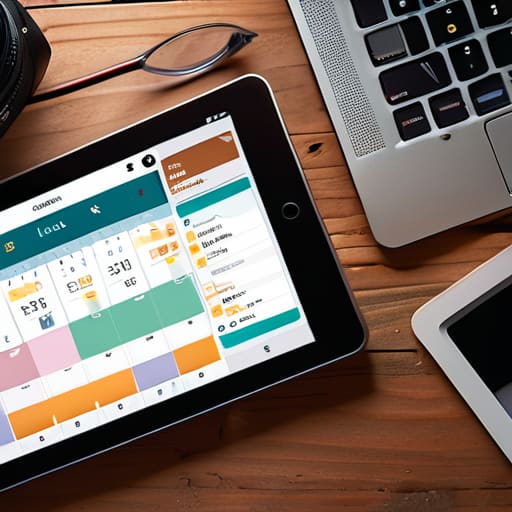
Look, I’ve spent enough time in dimly lit studios to know that a messy inbox is just as much a creative killer as a dead battery. You can have the most intuitive customer enquiry workflow in your head, but if it relies on your memory while you’re mid-edit or elbow-deep in a client’s crisis, it will fail. Most of us try to manage everything through a mix of Instagram DMs, frantic WhatsApp messages, and the occasional email that gets buried under a pile of gear invoices. When you don’t have a centralized way to see who is actually a serious client and who is just “price shopping,” you aren’t running a business; you’re just reacting to noise.
The goal isn’t to become a corporate drone, but you do need some semblance of sales pipeline management to keep your head above water. I stopped trying to “remember” to follow up and started using a system that actually shows me where a person sits in the process. Are they just asking about my day rates, or are they waiting on a contract? Without that visibility, your booking conversion rates will inevitably tank because you’re too busy shooting to actually, well, book the next shoot.
Refining the Customer Enquiry Workflow to Stop the Leaks

Once you’ve stopped the bleeding, you have to look at the actual mechanics of the hand-off. Most of us treat a new email like a polite interruption to our “real work,” but that delay is where your customer enquiry workflow starts to rot. I used to let inquiries sit in my inbox for three days because I was busy editing, only to realize the client had already booked someone else who replied in twenty minutes. You need a system that catches them while the adrenaline of their idea is still high.
It isn’t about installing some bloated, expensive software that requires a degree to operate. It’s about administrative workflow optimization—creating a predictable path from “Hi, how much?” to a signed contract. If you don’t have a clear, repeatable sequence for how you qualify a lead and move them toward a deposit, you aren’t running a business; you’re just reacting to chaos. You need to know exactly where a person sits in your sales pipeline management so you aren’t guessing which follow-ups are urgent and which are just noise.
The Art of Sales Pipeline Management When Everything Changes
The thing about a creative business is that it’s never a straight line from “hello” to “deposit paid.” You might have a perfect customer enquiry workflow on paper, but then a client decides they want a different date, or a wedding client suddenly realizes they actually need a second shooter, and your neat little spreadsheet starts to look like a crime scene. Real sales pipeline management isn’t about having a pristine, untouched list of names; it’s about having a system that doesn’t break when the variables shift.
I’ve learned that you have to build in “wiggle room” for the human element. If you treat your pipeline like a rigid mathematical equation, you’ll spend more time fixing errors than actually shooting. Instead, focus on visibility over perfection. You need to know exactly where a lead sits—are they still thinking about the mood board, or are they just waiting for you to send the contract? When you can see that friction point, you can fix it. It’s not about chasing people; it’s about knowing which fires need your attention before they burn your whole week down.
Predicting the Unpredictable Through Realistic Revenue Forecasting Models
Most people treat revenue forecasting like they’re trying to predict the weather in London—it’s a guessing game that leaves you feeling damp and frustrated. You look at your calendar, see three weddings and a corporate headshot session, and think, “I’m set.” But that’s not how it works. Real revenue forecasting models aren’t about counting the bookings you already have; they are about calculating the reality of the ones you might get. If you don’t factor in the people who ghost you after the first pricing email, your math is going to be a disaster when the rent is due.
To get this right, you have to stop being optimistic and start being clinical. You need to look at your historical booking conversion rates—the actual percentage of enquiries that turn into paid invoices—and apply that to your current lead list. If you usually close one out of every five enquiries, and you have ten people currently in your pipeline, you only have two jobs. Don’t bank on the other eight. It feels pessimistic, but it’s the only way to build a buffer for when the inevitable “client changed their mind” moment happens.
Administrative Workflow Optimization and the Truth About Booking Conversion
We need to talk about the gap between a “yes” in an email and actual money in your bank account. Most photographers look at their booking conversion rates and see a single, confusing number, but that’s a mistake. You have to look at where the friction is. Is it happening when you send the initial quote, or is it during the awkward silence after you’ve sent the contract? If you aren’t looking at the specific stage where people drop off, you’re just guessing.
Real administrative workflow optimization isn’t about buying a shiny new piece of software that promises to do your job for you; it’s about removing the friction that makes you look unprofessional. If a client has to wait three days for you to confirm a date because you’re busy shooting in a dark studio, they’ve already moved on to the next person. Implementing basic appointment scheduling automation isn’t “cheating”—it’s making sure you don’t lose a high-value commission because you were too busy cleaning lenses to check your inbox. You want to spend your time behind the camera, but you can’t do that if your back office is a mess of unreplied threads.
Five ways to stop the bleed before the first shutter click
- Stop using your inbox as a to-do list. I spent years thinking a tidy Gmail folder was “management,” but then I’d realize a client’s specific request about lighting or a venue change was buried under forty newsletters. You need a single, boring spreadsheet or a simple CRM where every name lives. If it isn’t in the tracker, it doesn’t exist.
- Tag your leads by “temperature,” not just by date. There is a massive difference between the person who sent a vague “prices?” email and the one who sent a detailed brief with a specific date and a budget. If you treat them both with the same level of urgency, you’ll burn out on the tire-kickers and miss the real commissions.
- Build a “paper trail” for every pivot. When a client decides halfway through an email chain that they want video instead of stills, or they want to move the shoot from the studio to a windy park, write it down immediately in your booking notes. Most of my headaches come from remembering what we thought we agreed upon three weeks ago.
- Set a “dead lead” rule. If you’ve sent a quote and they haven’t replied in ten days, move them to a separate “follow-up” list and stop letting them clutter your active pipeline. You need to know exactly how much of your mental energy is being wasted on ghosts so you can focus on the people actually paying the invoices.
- Automate the boring stuff, but keep the tone human. Use a template for the initial “I’ve received your enquiry” response so you aren’t typing the same thing twenty times a week, but for the second email—the one where you actually talk about their project—turn the automation off. People can smell a bot from a mile away, and they won’t trust you with their portrait if they think you’re a machine.
The Paperwork Trap
You can spend all day obsessing over the perfect lighting setup or the sharpest prime lens, but if your booking system is just a scattered pile of half-read DMs and sticky notes, you aren’t running a business—you’re just waiting for a client to realize you forgot to send them the contract.
Iwona Krawczyk
The View From the Studio Floor
At the end of the day, tracking your enquiries isn’t about becoming a corporate spreadsheet warrior; it’s about making sure the work you actually want to do doesn’t slip through the cracks because you were too busy cleaning lenses to check your inbox. We’ve talked about plugging the leaks in your workflow, managing that messy sales pipeline, and finally looking at your conversion rates without flinching. It’s a lot of administrative heavy lifting, but it’s the only way to stop the constant cycle of chasing ghosts and start building a predictable business. You can have the most expensive lighting setup in the city, but if your booking process is a sieve, you’re just a person with expensive gear and no way to pay the rent.
Don’t let the logistics intimidate you into thinking you’re no longer an artist. Managing the chaos of your bookings is just another form of composition—you’re simply arranging the elements of your business so the final image actually makes sense. It’s messy, and it’s rarely as elegant as a perfectly lit portrait, but getting this right gives you the freedom to actually focus on the person in front of the camera instead of the mounting pile of unreplied emails. Stop treating your admin like an afterthought and start treating it like the foundation of your creative practice.
