
I once spent forty minutes in a cramped, overheated studio trying to convince a CEO that he didn’t actually have “bad shoulders,” while he stared at my lens like I was a bailiff serving him papers. Every photography course will tell you to master the geometry of the chin or the precise angle of a shoulder, but they never mention the psychological warfare involved when a subject has already decided they look terrible. If you are searching for a technical manual on how to pose someone who hates being photographed, you’re looking in the wrong place. You don’t need more diagrams of body lines; you need to know how to handle the person who is currently vibrating with the urge to bolt for the door.
I’m not going to give you a list of “magic” poses that work if the person is actually relaxed, because we both know that’s a lie. Instead, I want to talk about the stuff that actually happens between the flashes: the way you use your voice, how you manage the physical space of the room, and why I always ask people what they do with their hands before I even touch a light switch. This is about the unscripted friction of a real shoot, and how to navigate it without losing your mind or the shot.
The Subject Decides They Photograph Badly Managing the Resistance

The moment they walk in, you can usually tell. It’s in the way they hold their shoulders—tight, up near their ears—and that frantic, apologetic way they look at the lens. They haven’t even seen a preview yet, but they’ve already decided they’re the person who “doesn’t photograph well.” At this point, your job isn’t about lighting ratios or focal lengths; it’s about reducing camera anxiety in subjects before you even touch a dial. If you try to jump straight into technical instructions, you’ll lose them. They need to feel like they are in a conversation, not an interrogation under a strobe.
I always start by asking that one useless question: “What do you usually do with your hands when you’re nervous?” It sounds silly, but it breaks the tension. It acknowledges the elephant in the room. Instead of giving them rigid, artificial poses that make them feel like a mannequin, I focus on building rapport with photography clients through small, tactile movements. I might ask them to adjust a cufflink, lean their weight onto one heel, or simply hold a coffee cup. If they feel like they are doing something rather than just being watched, the resistance starts to melt.
Building Rapport With Photography Clients Before the Lens Opens
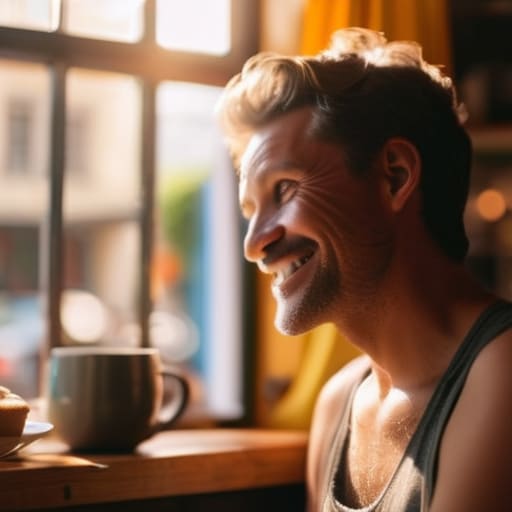
Most people think the work starts when you click the shutter, but by then, the battle is often already lost. If you wait until they are standing under your key light to start talking, you’ve waited too long. I’ve learned that building rapport with photography clients actually happens in the ten minutes before I even touch my gear. It’s in the way I ask about their commute or how much coffee they’ve had. I want to dismantle that invisible barrier between “professional” and “subject” as early as possible.
I also find that much of the tension comes from the unknown. I try to be aggressively transparent about the process, which is a huge part of reducing camera anxiety in subjects. I tell them exactly where I’ll be standing, how much light I’m using, and—most importantly—that I’m going to ask them to do some weird things with their chin or shoulders. If I frame it as a collaborative experiment rather than a performance, they stop bracing for impact. You aren’t just a technician; you’re the person responsible for the emotional temperature of the room.
Creating a Comfortable Photoshoot Environment Beyond the Equipment
Once you’ve done the legwork to build rapport, you have to look at the actual physical space. I’ve learned the hard way that a cold, cavernous studio with nothing but a tripod and a single strobe is a recipe for disaster. If the room feels sterile, your subject will feel like a specimen under a microscope. I always try to have a chair that isn’t a stiff studio stool—something they can actually sink into—and I make sure the temperature is a few degrees higher than I think it needs to be. Sweating is the enemy of confidence. If they are shivering or overheating, they aren’t thinking about their expression; they are thinking about their discomfort.
It’s also about the sensory clutter. I keep the music at a volume where we can still talk without shouting, but loud enough to fill those awkward silences that happen between setups. This is a huge part of reducing camera anxiety in subjects; you aren’t just managing light, you’re managing the atmosphere. I avoid the “staged” look by keeping the gear as unobtrusive as possible. If they can see every cable and heavy modifier, they feel the weight of the production. I want them to feel like they’re just hanging out in a room, not being interrogated by a machine.
Reducing Camera Anxiety in Subjects Through Human Connection
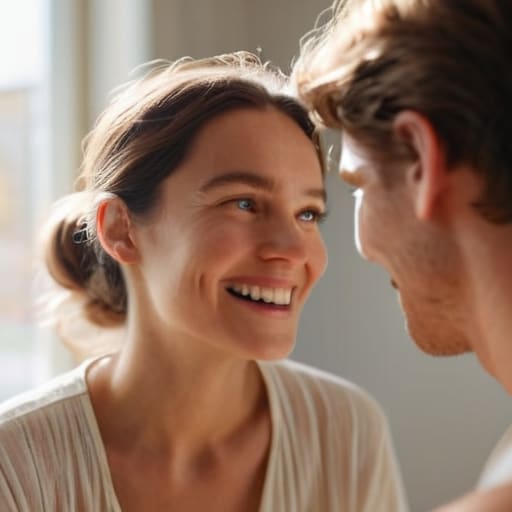
Once you’ve settled the room and the lighting is behaving, the real work begins in the gap between you and the subject. Most people think reducing camera anxiety in subjects is about a magic pose, but it’s actually about the rhythm of your voice. If you go silent while you’re adjusting a reflector or checking your histogram, that silence becomes heavy. It’s the sound of them judging themselves. I’ve learned that you have to keep the conversation moving—not about how they look, but about anything else. Ask them about their morning, their coffee, or the weird architecture of the building outside.
When the tension is still visible in their shoulders, stop trying to “pose” them in the traditional sense. Instead, lean into natural posing prompts for candid shots that require a bit of physical movement. Instead of saying “put your hand here,” I’ll say, “I need you to walk toward that window and tell me what you’re thinking about.” It gives them a task to focus on, which effectively hijacks the part of their brain that’s busy worrying about their chin or their hair. You aren’t just a person with a camera; you’re a collaborator helping them navigate a moment.
Natural Posing Prompts for Candid Shots and Real Moments
Once you’ve managed to lower their guard, stop trying to place their limbs like you’re arranging furniture. The moment you say, “Put your hand here and tilt your chin slightly left,” you’ve lost them. They’ll freeze, their eyes will glaze over, and you’ll be left shooting a statue instead of a person. Instead, I rely on natural posing prompts for candid shots that actually require them to do something. If I’m working with a client who is clearly stiffening up, I’ll give them a micro-task: “Adjust your cufflink,” or “Walk toward me and look at your shoes for a second.” It gives their nervous energy a destination.
I’ve found that movement is the best way of reducing camera anxiety in subjects because it forces them to stop thinking about their facial muscles. I often use “the slow turn”—asking them to look away and then slowly bring their gaze back to the lens. It breaks the tension and creates those fleeting, honest expressions that a static pose never will. It’s less about perfect geometry and more about catching the millisecond between the breath and the smile.
How to Pose Someone Who Hates Being Photographed Using Lifestyle Direction
Stop trying to “pose” them. The moment you tell a nervous subject to “put your hands on your hips” or “tilt your chin slightly left,” you’ve lost. They aren’t models; they are people who feel exposed. Instead, I lean into lifestyle photography direction tips that focus on movement rather than static positions. If they are standing there like a statue, they will look stiff. I’ll ask them to walk toward me, or even better, to walk away and then look back over a shoulder. It gives them something to do with their weight, which is usually the first thing to go rigid when someone is self-conscious.
I find that giving them a task is the best way of reducing camera anxiety in subjects. If we are doing a corporate portrait, I might ask them to adjust their cufflink or simply hold a coffee mug with both hands. It’s not about being “candid”—that’s a myth—it’s about providing a physical anchor. I’ll move them about three feet away from a wall to create some depth, rather than letting them lean awkwardly against a flat surface. We aren’t building a sculpture; we’re just capturing a moment of controlled motion.
The Practical Toolkit: Five Ways to Stop the Spiral
- Give them a job to do with their hands. If they are standing there with nothing to hold, they will eventually start fidgeting with their clothes or, worse, tucking their hands into their armpits. Hand them a coffee cup, a notebook, or even just tell them to adjust their cufflink. Movement creates a destination for that nervous energy.
- Use the “micro-adjustment” method instead of big poses. Don’t tell a client to “look relaxed” or “strike a pose”—that’s terrifying. Instead, ask them to tilt their chin just a fraction of a centimeter toward the light, or to shift their weight from their heels to their toes. Small, manageable changes feel like instructions, not performances.
- Stop the “look at me” loop. Constant eye contact with the lens can feel like an interrogation for someone who is self-conscious. Turn them slightly away from the camera, have them look toward a window or just past your shoulder. It breaks the intensity of the gaze and lets them settle into their own space.
- Use physical anchors. If a subject feels like they are floating or wobbling, they’ll look unstable in the frame. Have them lean a shoulder against a wall or rest a hand on the back of a chair. Creating a physical connection to the environment gives them a sense of stability that translates to a more grounded posture.
- Show them the “bad” shots to prove the “good” ones. I know it sounds counterintuitive, but if someone is spiraling, show them a frame where the lighting was off or the angle was awkward. Once they see that even a professional can capture a “bad” shot, the pressure to be perfect in every single frame starts to lift.
The Myth of the Perfect Pose
Stop looking for the “right” pose in a manual; you won’t find it. When someone is fighting you, a perfect pose just looks like a well-rehearsed lie. Your job isn’t to sculpt them into a model, it’s to find the one specific way they stand when they actually forget I’m holding a camera.
Iwona Krawczyk
The Work After the Click
At the end of the day, you aren’t just managing light or finding the right focal length; you are managing a nervous system. We’ve talked about everything from building rapport before the session even starts to using lifestyle prompts that bypass that frozen, “deer in the headlights” look. Whether you are adjusting the room temperature to stop them from shivering or using specific physical prompts to give their hands something to do, the goal is the same: removing the friction between the person and the lens. It isn’t about the perfect pose, because a perfect pose on a person who feels uncomfortable is just a well-lit lie. It is about finding the tension points and slowly, methodically, dissolving them until they forget you are even there.
If you walk away from a shoot feeling like you spent more time talking than clicking the shutter, you haven’t failed—you’ve actually done the job. The best portraits I’ve ever taken didn’t come from a technical breakthrough with a new modifier; they came from the moment the client finally let their shoulders drop. Don’t get discouraged when the session feels messy or when you have to scrap your shot list to deal with a sudden bout of self-consciousness. That struggle is where the real photography happens. Trust the process, even the unglamorous parts, because the connection is the real subject you’re capturing.
