
I once spent three hours in a windowless conference room with a CEO who had spent more on his lens than I did on my first car, only to realize the shot was unsalvageable because the air conditioning was humming at a frequency that made him visibly twitchy. It wasn’t the sensor or the aperture; it was the environment. If you’re looking for a tutorial on which expensive piece of glass will magically solve your problems, you’re in the wrong place. Learning how to shoot a portrait for a company website isn’t about mastering a technical manual; it’s about managing the frantic energy of a marketing manager who just realized they forgot to tell the staff to wear navy blue.
I’m not here to sell you on gear or complex lighting diagrams that only work in a controlled studio. Instead, I want to talk about the messy reality of the job—the stuff they don’t teach you in photography school. I’m going to show you how to handle the awkward silences, the terrible office lighting, and the inevitable last-minute schedule shifts. This is my guide to the practical, unglamorous side of getting a professional result when everything that can go wrong, actually does.
Forget the Gear How to Shoot a Portrait for a Company Website
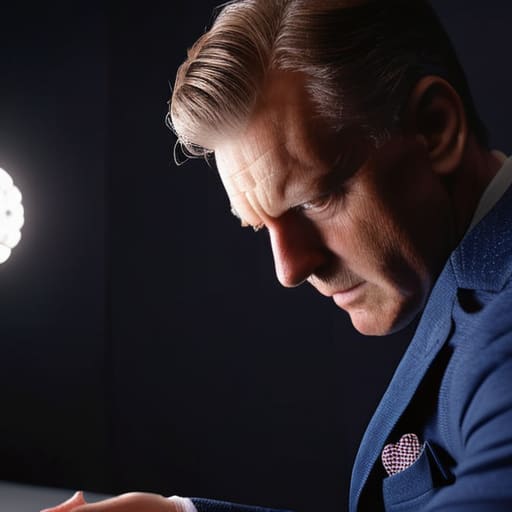
I’ve seen people walk into a studio with a brand-new Leica and a prayer, thinking the gear will do the heavy lifting. It won’t. When you’re tasked with creating a consistent team portrait style, your biggest enemy isn’t a lack of megapixels; it’s the lack of a plan for the actual human beings in front of you. You can have the most expensive professional headshot lighting setups in the world, but if you haven’t accounted for the fact that the CEO is wearing a shiny silk tie that’s going to bounce light straight into your lens, you’re going to have a very long afternoon.
Before you even touch a dial, look at the room. Is there a window throwing a weird, orange glow across the subject’s left cheek? Is the client’s office so cluttered it’s distracting from their face? Most of my time is spent negotiating with the space rather than adjusting my aperture. Real corporate branding photography tips aren’t about which lens to buy; they’re about managing the environment so the subject can actually breathe. If the room is chaotic, the photos will look chaotic, no matter how much you spend on glass.
The Room Is the Enemy Mastering Professional Headshot Lighting Setups
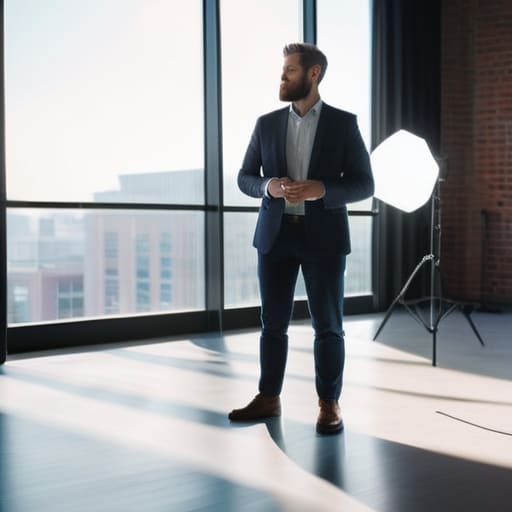
Most people walk into a studio thinking about their aperture, but I’m looking at the windows. If you’re shooting in a rented office space with floor-to-ceiling glass, your “professional headshot lighting setups” are already compromised before you even plug in a strobe. You can’t fight the sun, so stop trying. I usually spend the first twenty minutes of a corporate booking just hunting for ways to kill the glare or finding a corner where the light isn’t changing every time a cloud passes by. If you want a consistent team portrait style, you have to control the environment, or the CEO will look like a different person than the intern.
I’ve learned that a single large octa through a diffusion silk, placed about 45 degrees to the side and slightly above eye level, is usually enough to handle most office chaos. You don’t need a complex multi-light rig to establish a strong company culture visual identity; you just need to make sure the background isn’t swallowing the subject. I always check the distance between the subject and the wall—if they’re too close, you get ugly shadows that no amount of retouching will fix.
Managing the Chaos of a Consistent Team Portrait Style
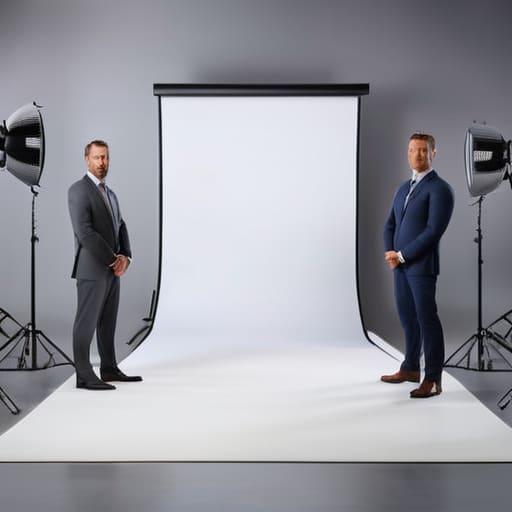
The real nightmare isn’t getting one person to look decent; it’s getting twenty people to look like they actually work for the same company. When you’re tasked with creating a consistent team portrait style, the temptation is to let everyone “do their own thing” to keep them happy. Don’t. If you let the CEO choose a dramatic, moody shadow and the intern opt for a bright, airy high-key look, your website is going to look like a disorganized collage rather than a cohesive brand. You have to be the one to set the boundaries on light direction and background distance before the first person even sits down.
I usually spend the first ten minutes of a corporate booking establishing a “lookbook” of sorts—not a formal document, just a set of rules I communicate clearly. This means deciding on a specific business portrait composition and sticking to it. Are we doing waist-up or chest-up? Are we leaning into the chair or sitting upright? If you don’t dictate the physical space, the variations in how people hold their shoulders or tilt their heads will destroy your company culture visual identity faster than a bad font choice. Control the variables, or the chaos will control you.
Beyond the Lens Aligning Business Portrait Composition With Branding
Once you’ve wrestled the lighting into submission and stopped the CEO from fidgeting, you have to actually think about what these images are doing for the brand. A portrait isn’t just a picture of a person; it’s a piece of a larger puzzle. If I’m shooting for a tech startup, I’m looking for something punchy and perhaps a bit off-center to allow for text overlays on their site. If it’s a law firm, they likely want that traditional, centered stability. This is where business portrait composition stops being about “the rule of thirds” and starts being about intentionality.
You need to ask the marketing director where these photos are actually going to live. If they’re destined for a mobile-first website, tight crops are your best friend, but if they need to sit alongside long-form copy, you need to leave “dead space” in the frame. Don’t just center every face like it’s a school photo; that’s the fastest way to kill a company culture visual identity. Aim for a composition that feels like it belongs to the brand’s voice, whether that’s wide and airy or tight and commanding.
The Human Variable Corporate Branding Photography Tips for Difficult Subjec
Once you’ve sorted the lighting and the composition, you’re left with the most unpredictable element in the studio: the person sitting in the chair. I always start by asking, “What do you do with your hands when you’re nervous?” It breaks the ice, but more importantly, it prepares us for the inevitable fidgeting. When you’re working on an executive portrait photography guide, you realize that most “difficult” subjects aren’t being difficult; they are just terrified of looking incompetent in a permanent digital format. They aren’t thinking about your business portrait composition; they are thinking about their receding hairline or that weird mole on their neck.
To get a result that actually serves the company culture visual identity, you have to stop being a technician and start being a bit of a psychologist. If they are stiff, don’t just tell them to “relax”—that’s useless advice. Instead, give them a physical task. Ask them to shift their weight, or lean slightly toward the lens to break that defensive, upright posture. My rule is to spend the first five minutes talking about anything except the camera. If you can get them to stop performing “professionalism” and start just being a person, the shot will finally start to work.
Defining the Soul Company Culture Visual Identity Through Executive Portrai
When a CEO asks for “professional” shots, they usually mean they want to look like they belong in a magazine. But if you just deliver standard, sterile headshots, you’ve missed the point. A company’s company culture visual identity isn’t found in a perfect smile; it’s found in the tension between the lighting and the environment. If it’s a tech startup, a stiff, high-key studio setup feels like a lie. They need something with a bit of grit—maybe a single large softbox positioned at 45 degrees to create some actual shape in the face, rather than flattening them into a corporate pancake.
The real trick is deciding how much of the “person” you allow into the frame. For an executive portrait photography guide, I always tell my assistants: don’t just look at the eyes, look at the posture. Is the person leaning in, or are they recoiling? If you’re aiming for a cohesive brand, you need to marry that individual personality with a consistent team portrait style. This means deciding early on if everyone is shot against a textured grey wall or if you’re letting the office architecture bleed into the background. It’s a compromise between making them look like humans and making them look like a unified front.
Five Things They Don't Teach You in Photography School
- Stop chasing the “perfect” light and start managing the window. If you’re shooting in a glass-walled office, that sun is going to move, the clouds will shift, and your consistent team look will vanish in twenty minutes. I’ve learned to bring a heavy black flag just to kill a stray reflection on a CEO’s glasses, because no amount of post-processing fixes a glare that hides someone’s eyes.
- Watch the hands—seriously. I always ask people what they do with their hands when they’re nervous, because once they start fidgeting with a wedding ring or hiding them in pockets, the whole portrait loses its authority. Give them a prop, a chair arm, or a specific task, because an idle hand is a visual distraction that breaks the professional vibe.
- The “Uniform” trick. When you’re shooting a dozen people in one afternoon, don’t just tell them to “wear professional clothes.” Tell them to avoid fine patterns that cause moiré on screens and to steer clear of pure white shirts that blow out under your strobes. I’d rather have them in a textured navy sweater than a crisp white button-down that turns into a glowing blob on a 4K monitor.
- Build in a “buffer” for the inevitable pivot. You’ll spend an hour setting up a beautiful, moody setup, and then the Marketing Director will walk in and say, “Actually, can we make it look more ‘approachable’ and bright?” Always have a secondary, high-key setup ready to go. It’s better to have a backup plan than to spend forty minutes re-adjusting your modifiers while the client watches you sweat.
- Check the background for “head-growths.” It sounds ridiculous, but a stray plant leaf or a door frame appearing to sprout from the top of a subject’s head is the most common mistake in corporate work. I don’t care how expensive your lens is; if your composition is sloppy, the client will notice the distraction long before they notice the sharpness of the focus.
The Truth About the 'Perfect' Shot
You can spend six months obsessing over the sharpness of your lens, but if you haven’t accounted for the window leaking sunlight into your frame or the CEO who refuses to stop fidgeting with their tie, you aren’t shooting a portrait—you’re just documenting a disaster.
Iwona Krawczyk
The Real Work Starts After the Shutter Clicks
At the end of the day, a successful corporate shoot isn’t about whether you used a Profoto or a Godox, or whether you nailed the exact Kelvin temperature on the first try. It’s about the fact that you managed to control the light in a room with floor-to-ceiling windows, kept a dozen different personalities looking like they belong to the same brand, and didn’t let the schedule collapse when the CEO showed up twenty minutes late. You have to balance the technical constraints of the space with the unpredictable human element sitting in your chair. If you can manage the room and the ego, the images will follow.
Don’t get discouraged when a session feels like a series of small fires you’re constantly putting out. That is just the job. Photography courses teach you how to expose for skin tones, but they rarely teach you how to hold a room together when the client is staring at their phone and the shadows are behaving badly. Trust your eyes more than your light meter, and remember that the best portrait is often the one where the subject finally forgets you are there. Go out, manage the chaos, and leave the gear alone.
