
I’ve spent a decade watching photographers obsess over the perfect lighting setup or the most expensive lens, only to end up with a shot that feels utterly lifeless because the subject looks like they’re being held hostage. They have the gear, they have the composition, but they have no clue how to direct hands in a portrait without it looking like a clinical medical exam. I remember an author shoot three years ago where we had the perfect moody lighting and a beautiful linen backdrop, but the subject spent twenty minutes clutching their own wrists like they were trying to stop a leak. It didn’t matter how much I tweaked the modifier; the hands were screaming “I am terrified,” and it ruined the entire frame.
I’m not here to give you a list of “elegant poses” that look like they were ripped from a stale 1990s bridal magazine. Instead, I want to talk about the actual mechanics of giving hands a job to do. We’re going to look at the physical weight, the tension in the fingers, and the specific ways you can use props or clothing to stop the awkwardness before it starts. This is about the practical reality of managing human limbs when they decide to go rogue.
Understanding How to Direct Hands in a Portrait
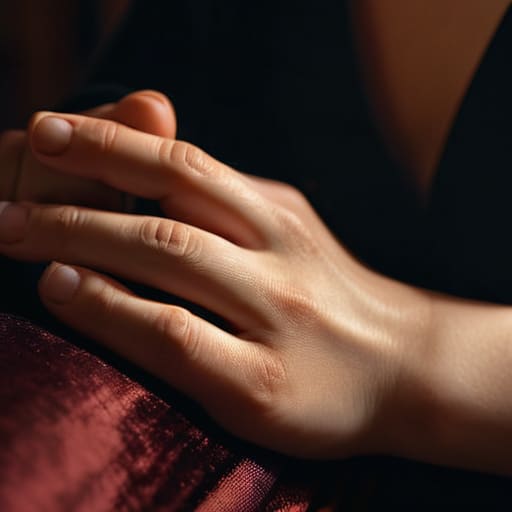
The first thing you have to accept is that hands are inherently twitchy. They are the most expressive part of the body, but they are also the first thing to betray a subject’s discomfort. When I’m working, I don’t just look for natural hand placement for models; I look for tension. If a client is gripping their own forearm like it’s a life raft, the whole shot is dead. You can have the most perfect Rembrandt lighting in the world, but if the hands look like clenched claws, the viewer won’t see the person—they’ll just see the anxiety.
The secret isn’t some magical pose you find in a textbook; it’s about giving the hands a job. If they have nothing to do, they will default to whatever weird, stiff gesture they learned in a middle school yearbook photo. I usually suggest something tactile—holding a lapel, resting a thumb against a jawline, or even just lightly touching a piece of jewelry. You aren’t looking for perfection; you’re looking for soft hand gestures that suggest a person is actually inhabiting their skin rather than just posing for a lens.
Key Things to Know
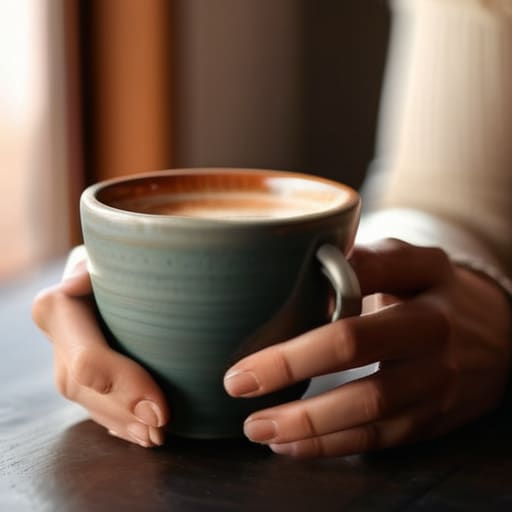
First, stop thinking about “posing” and start thinking about purpose. Most of the time, when a client looks stiff, it’s because their hands are just hovering in space, serving no function. To get actual natural hand placement for models, you have to give them an object or a task. If they’re holding a coffee cup, a lapel, or even just resting a hand on a chair leg, the tension evaporates. If you leave them with nothing to do, they will default to the “claw”—that awkward, curled-finger mess that makes everyone look like they’re about to grab a hot stove.
Second, you need to be mindful of the geometry. I’ve spent way too many hours in post-production trying to fix a finger that looks three inches too long because of a bad angle. When you’re avoiding awkward hand poses, watch the tension in the knuckles and the wrists. If the wrist is locked straight, the person looks like a mannequin. I always tell my subjects to soften the grip; even if they are holding something, a light, almost weightless touch looks much better on camera than a death grip.
Practical Tips and Steps

First, stop asking them to “just relax” and give them something to actually hold. If you leave a subject with empty hands, they will inevitably start picking at their cuticles or clutching their own elbows like they’re freezing. I always carry a few props—a heavy ceramic mug, a textured book, or even just a jacket—because it gives them a physical anchor. When you’re communicating with models during shoots, try to frame it as a task rather than a pose. Instead of saying “put your hand here,” tell them to “rest your weight on that chair arm” or “trace the edge of your sleeve.” It shifts the focus from looking pretty to simply doing something.
If you aren’t using props, you have to be mindful of the tension in the fingers. I’ve seen too many shoots ruined by “claw hands,” where the subject is gripping a lapel so hard their knuckles turn white. To achieve natural hand placement for models, I tell them to imagine they are touching something incredibly fragile, like an eggshell or a piece of silk. You want soft hand gestures that suggest movement rather than static tension. If the hands look stiff, move them slightly closer to the body or tuck a thumb into a pocket to break up the silhouette.
Common Mistakes to Avoid
The biggest mistake I see is trying to “pose” a hand like it’s a piece of still life. If you tell someone to “put your hand on your chin” without any context, you aren’t getting a portrait; you’re getting a statue that looks like it’s under duress. Hands are incredibly expressive, but they are also incredibly sensitive to being told exactly where to go. When you force a position, you lose the natural hand placement for models that actually makes a photo feel alive. Instead of giving a command, give them a task. If they have something to hold—a coffee cup, a lapel, a strap—the tension usually evaporates.
Another trap is ignoring the weight of the limb. I’ve seen so many shots ruined because a hand looks like it’s hovering precariously near a face or a shoulder, rather than actually resting there. It creates this weird, ghostly tension that pulls the viewer’s eye away from the subject’s expression. If you aren’t careful with avoiding awkward hand poses, you’ll end up with “claw hands”—fingers that are too stiff or spread too wide because the subject is trying too hard to look elegant. Keep the fingers soft, keep the weight real, and for heaven’s sake, don’t let them press too hard into their own skin, or you’ll end up with white, bloodless knuckles in the final frame.
Final Thoughts
At the end of the day, don’t overthink it. If you spend the whole session obsessing over every finger position, you’re going to lose the connection with the person in front of you. The goal isn’t to manufacture a perfect sculpture; it’s about communicating with models during shoots in a way that makes them feel safe enough to let their guard down. Once they stop worrying about looking “correct,” the movement becomes fluid.
If a pose feels stiff, stop trying to fix the anatomy and instead give them a task. A hand needs a reason to exist in the frame—whether it’s gripping a lapel, brushing a stray hair, or simply resting on a chair. Most of the time, avoiding awkward hand poses comes down to less direction and more observation. Trust your gut. If a hand looks like it’s hovering aimlessly, move it or give it a job. It’s much easier to fix a limb that is doing something real than one that is trying desperately to look professional.
Five ways to stop the awkwardness
- Give them a prop, but make it a real one. A coffee mug or a book works because it provides a physical weight for the hands to anchor to. If they’re just holding a phone or a pen for the sake of it, they’ll look like they’re posing for a stock photo. It has to look like something they’d actually touch.
- The “soft touch” rule. When a subject rests their hand on their face or chin, they almost always apply too much pressure. It squishes the skin and makes them look like they’re in pain. Tell them to imagine they’re touching a bubble or a piece of silk—the contact should be there, but the weight shouldn’t.
- Watch the knuckles. If a hand is curled tight, it looks like a fist or a claw, which reads as tension. I always try to get the fingers slightly separated and relaxed. If they look stiff, I’ll ask them to shake their hands out for a second to reset the muscle tension before we go again.
- Use the “triangle” trick. If the hands are just hanging dead at their sides, the silhouette looks like a heavy rectangle. I try to guide them to create small triangles—a hand on a hip, a hand tucked into a pocket, or a hand resting on a knee. It breaks up the body line and makes the composition feel intentional.
- Mind the distance from the lens. A hand held too close to the camera becomes a giant, blurry blob that steals the focus from the face. If you’re shooting a close-up, keep the hands slightly further back in the plane of focus, or let them fall into a soft blur. They should support the portrait, not compete with it.
The Hand Problem
If a subject’s hands look like they’re frozen in a state of panic, it’s rarely because they’re “bad at posing”—it’s because you haven’t given them a job to do. Stop asking them to just ‘relax’ and instead give them something to hold, something to lean on, or a specific task, because an idle hand is always an awkward hand.
Iwona Krawczyk
A Final Note on the Chaos of Limbs
At the end of the day, directing hands isn’t about achieving some textbook level of perfection; it’s about managing the physical reality of a person sitting in front of you. We’ve talked about giving them a purpose—whether that’s a prop, a lap, or a chin—and we’ve covered why letting them hover aimlessly is a recipe for a stiff, awkward shot. Remember that if the hands look like they belong to a stranger, you haven’t given them enough direction. It usually comes down to the small things: the tension in the fingers, the weight of the wrist, and making sure they aren’t fighting the pose. If you keep an eye on the geometry of the limbs rather than just the face, the whole portrait will suddenly feel much more grounded and intentional.
Don’t get too discouraged when a subject starts fidgeting or insists they have “clumsy hands.” Most of the time, they aren’t lying; they just don’t know how to inhabit their own skin under a studio light. Your job isn’t to force them into a mannequin-like stillness, but to help them find a comfortable way to exist within the frame. When you stop treating hands like an afterthought and start treating them as a vital part of the story, the tension in the room starts to melt away. Trust your gut, keep your eye on the details, and remember that sometimes the most honest portraits come from the moments when the hands finally stop fighting the camera.
