
I remember a shoot in a small, drafty living room three years ago where the air felt thick enough to choke on. I had my best prime lens in my bag and a perfectly calibrated light meter, but none of it mattered because the subject wasn’t even looking at me; she was looking at a vacant chair. Most photography blogs will tell you that you need a specific lighting ratio or a certain way to direct the eyes to master how to photograph someone who is grieving, but they’re lying to you. You can’t light your way out of a heavy room, and no amount of technical wizardry can manufacture a sense of peace when the person in front of you is completely hollowed out.
I’m not here to give you a gear list or a tutorial on softboxes. This is about the messy, awkward, and often quiet reality of working when the subject has nothing left to give. I want to talk about the things they don’t teach in school: how to manage the suffocating silence, when to put the camera down entirely, and how to respect the weight of the room without letting it paralyze your workflow. This is the practical side of the job—the part that actually matters.
The Weight of the Room How to Photograph Someone Who Is Grieving
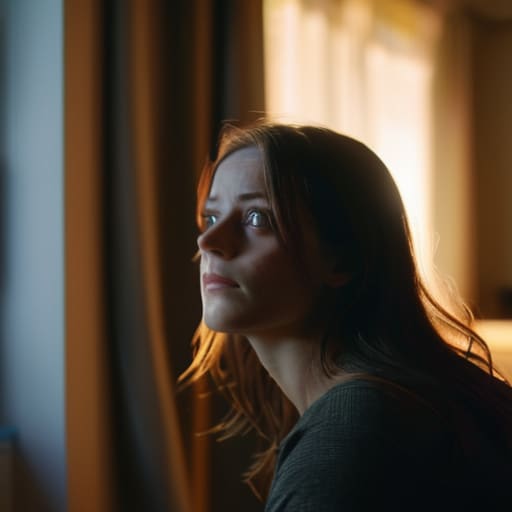
The first thing you need to realize is that you cannot “fix” the atmosphere with a better lens or a more expensive softbox. When you walk into a room where someone is mourning, the air has a different density; it’s heavy, and your presence—with your gear bags and tripod—can feel like an intrusion. I’ve learned that the most effective empathetic portraiture techniques start with what you don’t do. Don’t rush to set up your lighting rig the second you walk in. Sit down. Have a glass of water. If you start clicking away before you’ve acknowledged the quiet, you’ve already lost the trust required to get anything meaningful.
You also have to be hyper-aware of navigating emotional boundaries in photography. There is a fine line between capturing a moment of profound stillness and feeling like a vulture. I often find myself pulling back, physically moving the camera away or choosing a longer focal length to give the subject more psychological breathing room. It’s about respecting the silence rather than trying to fill it with technical perfection. If they look away, let them. If they need to stop, you stop. The goal isn’t a polished image; it’s a truthful one.
Beyond the Lens Navigating Emotional Boundaries in Photography
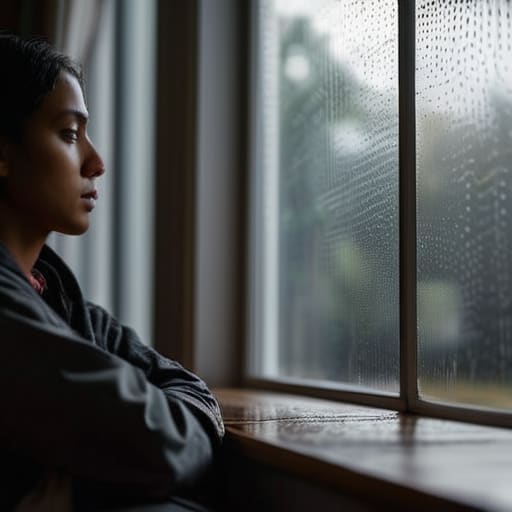
There is a point in a session where you have to decide if you are a witness or an intruder. I’ve learned that the most important tool in my bag isn’t a specific prime lens, but the ability to recognize when to put the camera down entirely. When you are working with someone in the thick of loss, you aren’t just managing light; you are navigating emotional boundaries in photography that feel incredibly fragile. If they stop looking at you and start looking through you, don’t push for a “better” angle. That’s when you stop being a professional and start being a vulture.
This is where trauma-informed photography practices move from a textbook concept to a survival skill for your reputation and your conscience. You have to ask yourself: am I capturing this moment because it serves the subject, or because it serves my portfolio? Sometimes, the most respectful thing you can do is let the silence sit for five minutes without checking your light meter. If you try to force a composed, “pretty” shot while someone is mid-sob, you aren’t practicing art; you’re just being loud.
Trauma Informed Photography Practices for the Unpredictable Moment
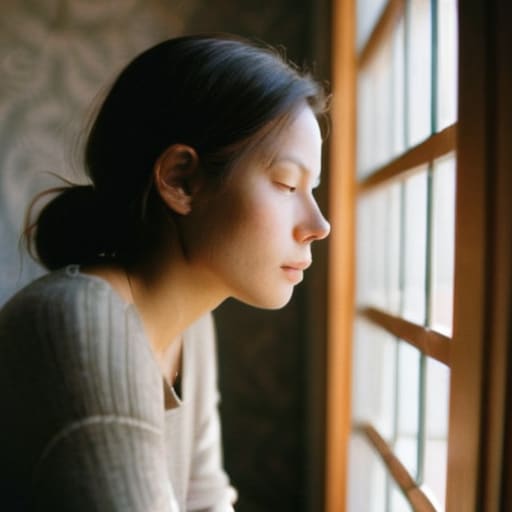
When things go sideways—and they will—you have to stop thinking about your exposure triangle and start thinking about the person in front of you. I’ve learned that trauma-informed photography practices aren’t about a specific lighting setup; they are about the permission you give the subject to stop performing. If they need to sit on the floor, let them. If they need to stare at the wall for ten minutes while you reset your gear, do it. The moment you try to “direct” someone through a breakdown to get a specific shot, you’ve lost the thread of empathetic portraiture techniques and you’ve just become another person demanding something from them.
The goal isn’t to manufacture a moment, but to be steady enough to hold the space when a real one arrives. This means keeping your movements small and your voice low. I try to avoid the “big” photographer energy—the loud instructions, the heavy tripod movements—that can feel intrusive. Instead, I aim for a presence that is felt but not felt upon. You aren’t there to witness a spectacle; you are there to provide a quiet, professional container for whatever truth they happen to be carrying that day.
The Ethics of Presence Capturing Raw Human Emotion Ethically
There is a massive, uncomfortable difference between being a witness and being a voyeur. When you are in a room where someone is actively breaking down, your instinct might be to hunt for that “perfect” tear or the specific way their shoulders slump. Resist that. If you find yourself thinking about composition while someone is mid-sob, you’ve lost the thread. True empathetic portraiture techniques aren’t about finding the most cinematic angle of misery; they are about knowing when to put the camera down entirely. Sometimes the most ethical thing you can do is stop being a photographer for ten minutes and just be a person in a room.
I’ve learned that capturing raw human emotion ethically means giving the subject the agency to decide what stays in the frame. I always tell my assistants: if they look at you like you’re a predator, you’re probably acting like one. You have to negotiate the silence. Ask them, “Do you want me to keep shooting, or do you need a minute?” It feels clunky and unpolished, but it’s the only way to ensure you aren’t just harvesting their pain for a portfolio.
Empathetic Portraiture Techniques When the Subject Pulls Away
When a subject starts to retreat—shoulders hunching, eyes darting toward the door, or that sudden, frantic interest in their own fingernails—your instinct might be to lean in and try to “fix” the mood. Don’t. In these moments, the most effective empathetic portraiture techniques actually involve creating more physical and psychological distance. If they are pulling away, stop moving toward them. Instead, back up a step, perhaps even switch to a longer lens like an 85mm or 105mm. This gives them a sense of privacy even while you’re working. It’s about letting the frame breathe so they don’t feel hunted by your lens.
Sometimes, the best way to capture something real is to stop trying to capture it at all. I’ve found that when the tension becomes too thick, I need to abandon the formal pose entirely. I’ll set the camera down on a tripod, step away, and just exist in the room with them for five minutes. This shift is a core part of trauma-informed photography practices; you are signaling that the person matters more than the shot. When you eventually pick the camera back up, the energy has often shifted from performance to a quiet, heavy stillness that is much more honest.
Honoring the Silence Through Respectful Memorial Photography
There is a specific kind of quiet that settles into a room when you are documenting a loss, and if you try to fill it with small talk or the frantic clicking of a shutter, you’ve already lost. I’ve learned that respectful memorial photography isn’t about finding the “perfect” shot; it’s about knowing when to put the camera down. Sometimes the most profound image isn’t a face, but the way the light hits an empty chair or the stillness of a room that used to be loud. You have to let the silence exist. If you rush to fill the gaps, you aren’t capturing a moment; you’re just intruding on one.
In these instances, I lean heavily on ethical documentary photography principles. This means being okay with the “nothingness.” If a subject is staring out a window or simply sitting in a heavy stillness, don’t force a connection or a gaze toward the lens. My job isn’t to perform; it’s to witness. When you respect the gravity of the space, the images you eventually take won’t feel staged or exploitative—they will feel earned.
Five things that actually matter when the room is heavy
- Forget the lighting diagram for a second and look at the clutter. If you’re in a house where someone has just died, there are tissues, half-empty tea mugs, and funeral programs everywhere. Don’t try to “clean up” the shot to make it look like a studio portrait; that’s dishonest. Instead, use a wide aperture—maybe f/2.8 or f/4 depending on your lens—to let the background blur into soft, non-distracting shapes while keeping the focus on the person. You want the environment to feel lived-in, not staged.
- Watch the hands. I always ask people what they do with their hands when they’re nervous, and with grieving clients, the answer is usually “I don’t know.” They’ll grip a sleeve, twist a ring, or bury them in their lap. Don’t try to pose them into a “natural” hand placement. If they are clutching a piece of clothing or a loved one’s watch, leave it. Those small, restless movements are where the truth of the moment lives.
- Keep your gear minimal. If you show up with a tripod, three strobes, and a massive softbox, you’ve just turned a moment of mourning into a production. You’ll make them feel like they’re on a set, and they’ll perform for you. Bring one reliable body, one prime lens, and maybe one small, portable light if the room is a cave. The less equipment you have between you and them, the less they feel like a “subject.”
- Master the art of the long pause. In my years assisting, I learned that the best shots usually happen in the silence after you think you’re done. When you ask a question or suggest a change, and they respond, wait. Don’t immediately start clicking. Give them three to five seconds of quiet. Often, the most honest expression comes right after they’ve stopped trying to “fix” their face for the camera.
- Stop chasing the “perfect” shot and start chasing the right one. You might get a technically flawless portrait where the lighting is hitting the eyes perfectly, but the expression is vacant. Then, you’ll get a shot that’s slightly underexposed or a bit grainy, but it captures the exact way their shoulders slumped when they thought no one was looking. Take the grainy, imperfect shot. That’s the one they’ll actually want to look at in a year.
The Myth of the Perfect Shot
You can adjust your aperture and you can move your softbox three inches to the left, but you can’t light your way out of a person’s grief. If you go in looking for a “poignant” image, you’ll end up being a vulture; if you go in looking for a “beautiful” portrait, you’ll end up being a stranger. The best thing you can do is put the camera down for a second, stop worrying about your composition, and just exist in the same heavy air as them until they realize you aren’t there to take something from them, but to witness what’s left.
Iwona Krawczyk
The Last Frame
At the end of the day, you aren’t there to perform a technical feat or to capture a “perfect” shot in the way a commercial client might demand. You are there to manage the friction between a heavy room and a person who is trying to hold themselves together. We’ve talked about the ethics of presence, the need for trauma-informed boundaries, and why you might need to put the camera down entirely when the silence becomes too thick. If you remember nothing else, remember that technical precision is secondary to emotional safety. You can fix a composition in post-production, but you can never fix the feeling of a subject who felt rushed, observed, or—worse—exposed when they were at their most vulnerable.
There is a specific kind of exhaustion that comes after a shoot like this, a heaviness that stays in your hands long after you’ve packed your lights and headed home. But if you do it right, you leave behind something that isn’t just a file on a hard drive; you leave a testament. The goal isn’t to manufacture a moment of beauty, but to be a quiet, steady witness to the reality of their experience. When you finally look back at those frames, don’t look for the sharpness of the focus. Look for the truth of the person, and know that by honoring their space, you’ve done the real work of a photographer.
