
I once spent forty minutes trying to explain the physics of light spill to a client, only to realize the entire shoot was being ruined because I was trying to figure out how to use an umbrella as a modifier while a rogue breeze kept turning it into a sail. I was standing there, sweating under a heavy coat, watching my expensive softbox get knocked sideways because I hadn’t accounted for the sheer, unpredictable stubbornness of the wind. Most tutorials treat an umbrella like a static piece of studio gear—a clean, controlled mathematical equation—but in the real world, an umbrella is a temperamental, wind-catching beast that wants to ruin your lighting and your dignity at the same time.
I’m not here to give you a lecture on the geometry of reflection or which brand of silk costs the most. Instead, I want to talk about the actual mechanics of staying sane when you’re working outside. I’ll show you how to manage the spill, how to stop your gear from becoming a kite, and exactly when to give up on the umbrella entirely and just move indoors. This isn’t about perfection; it’s about making the shot work when everything is trying to go wrong.
Understanding How to Use an Umbrella
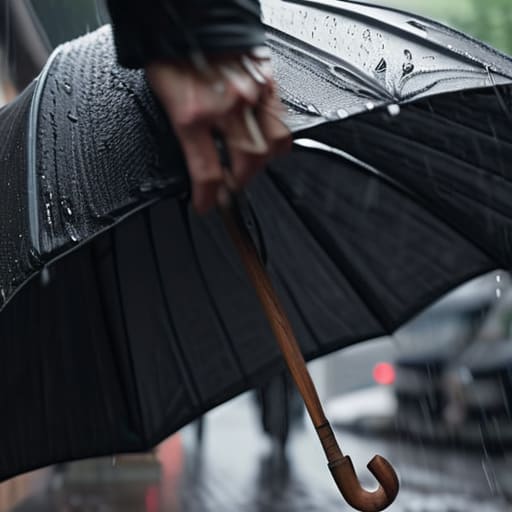
Before you even touch the latch, you need to realize that an umbrella isn’t just a tool; it’s a structural commitment. If you’re working outdoors, you aren’t just looking for shade or shelter; you’re managing a sail. I’ve seen too many assistants try to force a cheap model open in a gust, only to have the ribs snap and the metal shaft bend into a permanent question mark. Learning how to open an umbrella safely means feeling the tension in the fabric and waiting for that momentary lull in the wind. If you fight the air, the air will win every single time.
When choosing your gear, don’t get distracted by the pretty patterns. I look for windproof umbrella features like reinforced fiberglass ribs and a double-canopy design that lets the pressure escape rather than turning the whole thing into a projectile. You need to understand the different umbrella types and uses—a small, collapsible one is great for your bag, but for a real shoot where you’re shielding a subject and a light modifier, you want something with actual heft. If it feels flimsy in your hand, it’s going to feel even flimsier when the weather turns.
Key Things to Know
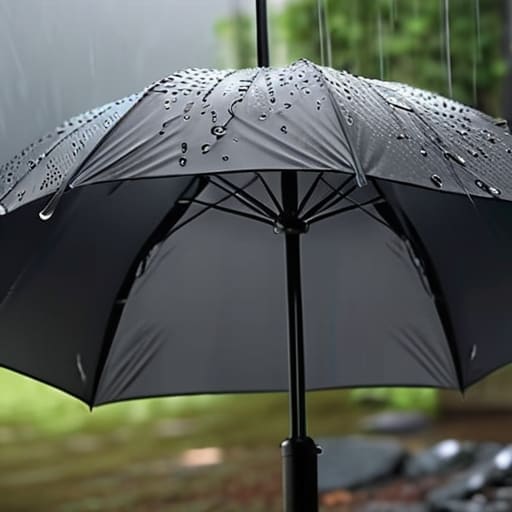
First, let’s talk gear. Not all umbrellas are created equal, and if you’re showing up to a shoot with a cheap, flimsy drugstore model, you’re asking for a disaster. When I’m looking at umbrella types and uses, I’m looking for structural integrity. You want something with a reinforced frame that won’t invert the second a gust hits it. If you’re shooting outdoors, investing in specific windproof umbrella features—like double-canopy venting—isn’t a luxury; it’s insurance for your equipment and your sanity.
Second, there is the physical reality of the shoot. I’ve seen assistants struggle with massive golf umbrellas in tight spaces, nearly clipping a client’s eye or knocking over a light stand. Learning how to open an umbrella safely sounds like common sense, but in a crowded studio or a narrow alleyway, it’s a choreographed move. You have to account for the radius of the ribs. And once the session is over? Don’t just toss it in your gear bag. The best way to dry an umbrella is to leave it fully open in a ventilated area; if you pack it away damp, you’re just inviting mold to become your new studio partner.
Practical Tips and Steps
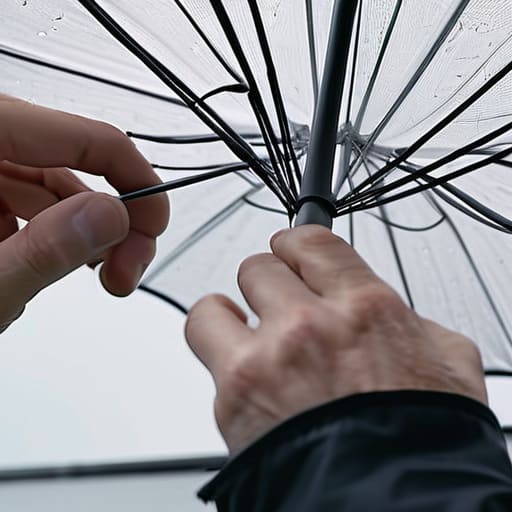
When you’re actually on location, stop treating the umbrella like an afterthought. If you’re shooting outdoors, your first priority is preventing umbrella damage from a sudden gust. I’ve seen too many expensive modifiers get turned inside out because someone tried to fight a breeze instead of yielding to it. If the wind picks up, don’t try to be a hero; angle the shaft toward the wind and use your body weight to stabilize the light. Knowing how to open an umbrella safely means checking your surroundings for power lines or low-hanging branches before you click that release button.
Once the shoot is wrapped, the real work begins. Don’t just shove a wet umbrella into your gear bag; that’s a fast track to mold and ruined electronics. The best way to dry an umbrella is to leave it fully open in a ventilated space—like a hallway or a garage—until the fabric is bone dry. If you’re traveling, keep it partially unzipped in your bag so it can breathe. It’s a small bit of extra effort, but it saves you from the nightmare of finding a stinking, damp mess in your kit the next morning.
Common Mistakes to Avoid
The biggest mistake I see—and I’ve made it myself more times than I care to admit—is treating the umbrella like a static piece of equipment. You can’t just set it and forget it. If you’re shooting outdoors, the wind is your primary antagonist. People often try to fight a gust by gripping the handle tighter, but that’s how you end up with a bent frame or a snapped rib. If you aren’t looking for specific windproof umbrella features like reinforced fiberglass ribs, you’re essentially bringing a liability to the set. When a gust hits, don’t fight it; move with it, or better yet, find a wall to tuck behind.
Another blunder is the messy aftermath. I once saw an assistant shove a soaking wet umbrella directly into a leather gear bag because they were in a rush to catch a train. That’s a fast track to mold and ruined electronics. One of my non-negotiable rain protection tips is to always carry a dedicated plastic bag or a dry sack. You need to let the thing air out properly; the best way to dry an umbrella is to leave it open in a hallway or a bathroom until it’s bone dry before you even think about packing it away.
Final Thoughts
At the end of the day, an umbrella is just another piece of kit that demands respect. It’s easy to treat it like an afterthought until a sudden gust turns your lighting modifier into a projectile or a downpour ruins your subject’s hair. If you invest in something with actual windproof umbrella features, you’re buying yourself peace of mind, but even the best gear fails if you’re careless with it.
My biggest piece of advice? Don’t just shove a soaking wet umbrella into your gear bag the second the shoot wraps. Learning the best way to dry an umbrella—leaving it open in a corner or hanging it up properly—is the difference between a tool that lasts five years and one that snaps in two weeks.
Ultimately, whether you’re dodging rain or just trying to soften a harsh light in a cramped studio, it’s about being prepared for the variables you can’t control. Keep your gear dry, keep your movements steady, and remember that preventing umbrella damage is much easier than trying to fix a broken rib mid-session.
Five things I’ve learned while fighting with umbrellas
- Watch the wind, not the light. You can have the most expensive softbox in the world, but if a sudden gust catches that umbrella, it’s not a modifier anymore—it’s a sail that’s going to pull you off balance or knock your stand right into the client. Always keep a heavy sandbag or a literal foot on the base when you’re working outdoors.
- The “shadow gap” is real. If you’re using a shoot-through umbrella to soften a light, don’t assume it’s a magic wand. If you place it too close to the subject, you’ll get a weird, hard-edged shadow right behind their head. I usually back it off about three feet and use a reflector to catch the spill, rather than trying to crowd the subject with the gear.
- Check your angles before you commit. An umbrella creates a very specific, wide spread of light that can easily wash out the background or create “hot spots” on a forehead. I always do a test shot from my position, then walk around the subject to make sure the light isn’t hitting a white wall behind them and turning the whole room into a lightbox.
- Mind the “spill” in small rooms. If you’re doing a corporate headshot in a cramped office, a large white umbrella is going to bounce light off every single surface—the ceiling, the desk, the coffee machine. It makes everything look flat and clinical. In those tight spots, I’ll often switch to a smaller silver umbrella or even a small softbox just to keep the light contained.
- Always have a backup plan for the “nervous hands” problem. When I’m using an umbrella, the light is often quite soft and forgiving, but if a subject is fidgeting, the shadows can get messy. I tell them, “Give me something to hold,” or I’ll have them hold a prop. It’s easier to manage their movement when they have a task than when they’re just standing there under a massive canopy of light feeling exposed.
The real job of the umbrella
An umbrella isn’t just a shield against the rain; it’s a modifier you have to fight. If you aren’t prepared for the wind to turn your light source into a sail that drags your subject off their feet, you aren’t doing photography, you’re just chasing equipment around a parking lot.
Iwona Krawczyk
The Last Word on Umbrellas
At the end of the day, an umbrella is just another piece of gear that demands respect. Whether you’re fighting a sudden downpour on a location shoot or trying to manage the unpredictable bounce of a white shoot-through in a cramped studio, the physics don’t change. You need to account for the wind, watch your light spill, and—most importantly—never let the gear become a barrier between you and the person you’re photographing. If you’re so busy wrestling with a collapsing frame that you forget to ask your subject what they’re doing with their hands, you’ve already lost the momentum of the session. Remember: keep it steady, keep it dry, and always check your light before you commit to the shot.
I know it feels like a chore sometimes, lugging heavy cases and fighting the elements just to get one clean frame, but that’s where the real work happens. The magic isn’t in the perfect weather or the most expensive lighting kit; it’s in your ability to stay calm when the sky opens up and the plan goes sideways. Don’t let a bit of rain or a stubborn gust of wind dictate the quality of your portfolio. Embrace the chaos, learn the limitations of your tools, and trust your eyes more than your gear list. That is how you move from being someone who just owns a camera to someone who actually knows how to make an image.
