
I once spent forty minutes in a cramped, overheated living room, watching a client try to negotiate with a four-year-old using a handful of gummy bears like they were high-stakes diplomats. It was a disaster. The kid wasn’t even looking at the lens; they were just staring at the sugar, and the tension in the room was thick enough to choke on. We’ve been sold this lie that if you just have the right “engagement tools,” you can manufacture a smile, but that’s not photography—that’s a transaction. If you want to learn how to photograph a child without bribery, you have to stop treating the kid like a broken machine that needs a coin to function and start looking at the environment you’ve built for them.
I’m not going to give you a list of magic tricks or tell you to buy a specific toy. Instead, I’m going to tell you how I manage the chaos of a room, how I use light to keep a subject’s attention, and why your own energy is more important than any bag of sweets. This is about the practical, messy half of the job: setting the stage so the child forgets the camera is even there.
Understanding How to Photograph a Child Without Bribery
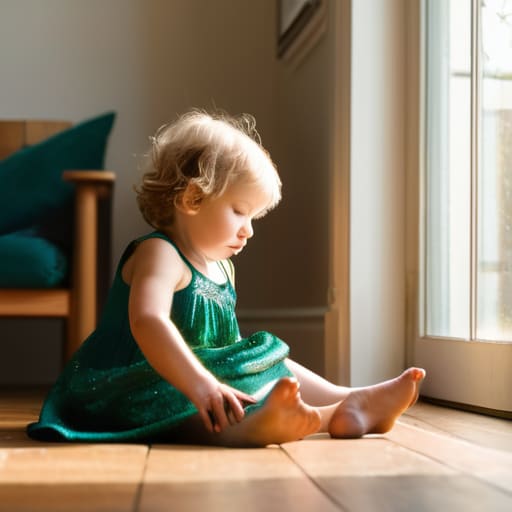
The mistake most people make is treating a child like a tiny, uncooperative adult who just needs a little incentive to behave. If you walk into a room with a bag of gummy bears and a “look at the camera” mantra, you’ve already lost. You aren’t there to negotiate; you’re there to observe. Building rapport with young subjects isn’t about a transaction; it’s about lowering the stakes. I’ve learned that if I spend the first fifteen minutes just sitting on the floor, letting them inspect my lens cap or showing them how the light hits a piece of silk, the power dynamic shifts. They stop seeing a stranger with a heavy black box and start seeing a person who is just part of the room.
Instead of forcing a pose, I lean into lifestyle photography with toddlers, which is really just a fancy way of saying “let them be messy and distracted.” If you try to fight a toddler’s natural momentum, you’ll end up with a gallery of tearful, forced smiles that look entirely hollow. My trick is to find the rhythm of the room. If they are running, let them run. If they are staring at a bug on the windowsill, wait for that moment of quiet wonder. The best shots happen when you stop trying to direct the scene and start capturing the reality of it.
Key Things to Know
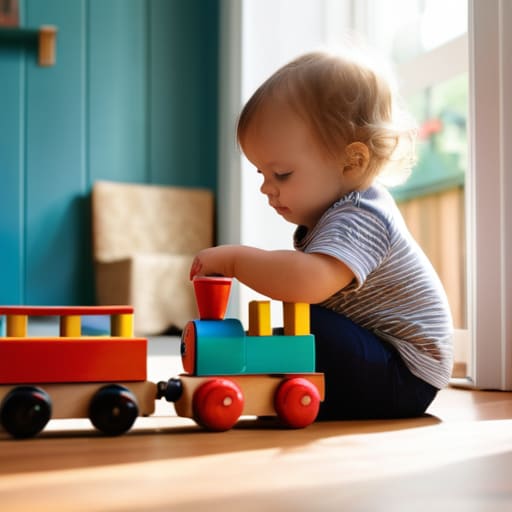
First, stop looking at the child as a subject to be managed and start seeing them as a person who is currently being interrupted. When you walk into a house with a heavy gear bag and a tripod, you aren’t just a photographer; you’re a strange intruder in their ecosystem. Building rapport with young subjects isn’t about performing magic tricks; it’s about sitting on the floor at their level and actually looking at whatever toy they’re currently obsessed with before you even touch your lens cap. If you try to force them into a pose, you’ve already lost.
Second, realize that your gear is often your biggest enemy in these moments. If you’re standing behind a massive softbox, you’re creating a barrier. I’ve learned that lifestyle photography with toddlers works best when the kit is minimal—maybe one bounce flash or just a single reflected window light—so you can move quickly. You need to be able to pivot the second a tantrum starts or a genuine moment of wonder appears. If you’re too busy wrestling with a light stand, you’ll miss the only real shot of the day.
Practical Tips and Steps
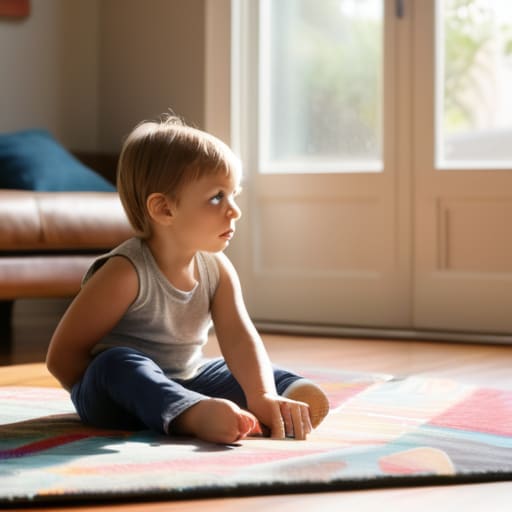
First, stop trying to command the room. If you walk in with a rigid shot list and a “look at the camera and smile” mantra, you’ve already lost. Instead, spend the first twenty minutes just existing in their space. I usually sit on the floor—even if my knees hate me—and let them show me their favorite toy or how their drawing works. This is the core of building rapport with young subjects; you aren’t a stranger with a heavy lens, you’re just someone hanging out in their living room.
Once the tension breaks, shift your focus from the eyes to the movement. If you try to freeze a toddler in a static pose, you’ll get a grimace or a meltdown. I prefer using lifestyle photography with toddlers as my baseline, which means I’m chasing the light and the motion rather than fighting it. If they’re running toward a window or playing with a wooden block, let them. The best shots happen in the micro-moments between the “performances.” If you stay low, keep your shutter speed high, and stop treating the session like a checklist, the images will actually feel like the kid, not a hostage situation.
Common Mistakes to Avoid
The biggest mistake I see is the “forced smile” trap. You walk into a room, see a kid scowling, and immediately try to command a grin. It doesn’t work. When you try to direct a child to look happy, you aren’t photographing a person; you’re photographing a performance. This is where most people fail at building rapport with young subjects. Instead of fighting the mood, I’ve learned to lean into it. If they are grumpy, let them be grumpy for a minute. If you try to force the joy, the eyes will look dead, and you’ll end up with a gallery of stiff, artificial faces that feel more like a hostage situation than a portrait.
Another blunder is over-preparing the environment. I’ve seen photographers bring a mountain of gear and a dozen “distraction toys” into a small space, which only turns the session into a chaotic sensory overload. You can’t manage the room if you’ve filled it with clutter. True lifestyle photography with toddlers relies on the space feeling lived-in and calm, not like a bright, noisy circus. If you’re constantly hovering with a prop, you’ve lost the connection. Stop trying to control the chaos and start trying to observe it.
Final Thoughts
At the end of the day, you have to accept that you aren’t actually in control of the session; the kid is. If you walk into a room expecting to dictate every movement, you’ve already lost. The real secret to building rapport with young subjects isn’t a bag of gummy bears, it’s your ability to sit on the floor, wait for the meltdown to pass, and actually observe the environment instead of staring through a viewfinder.
Stop trying to force a pose that doesn’t exist. Most of the magic happens when you lean into natural child portraiture techniques—letting them play, letting them be loud, and letting them be messy. If you spend the whole hour fighting for a smile, you’ll end up with a gallery of stiff, fake expressions that feel like a chore to look at. Instead, focus on managing child behavior during photoshoots by simply becoming part of their world rather than an intruder in it. It’s more exhausting, and your back will probably ache by the time you pack up your gear, but the images will actually feel real.
Five ways to win the room (without reaching for the chocolate)
- Stop performing for them. If you spend the first twenty minutes doing ridiculous faces and dancing around like a clown to get a smile, you’ve already lost. You’ve turned yourself into an entertainer, and the second you stop being funny, the kid stops cooperating. Sit on the floor, talk to the parents, and let the child observe you from a distance until they realize you aren’t a threat.
- Control the environment, not the kid. If the room is a chaotic mess of bright toys and loud noises, you’re fighting a losing battle. Clear a small perimeter, dim the overhead lights, and focus on a single, controlled area. It’s much easier to manage a child’s attention when you aren’t competing with a pile of Lego and a television.
- Use the “parallel play” method. Instead of forcing eye contact—which is terrifying for a small child—try working on something near them. If you’re shooting a portrait, let them play with a wooden toy or a book just outside the frame. Often, the best, most natural expressions happen when they’ve forgotten you’re even holding a camera.
- Give them a job. Kids hate being told what to do, but they love being “helpers.” Instead of “sit still,” try “can you hold this little wooden bird for me?” or “can you help me check if this light is working?” Giving them a sense of agency shifts them from a passive subject to an active participant.
- Watch the parents’ energy. This is the part the manuals skip: if the parents are hovering, stressed, and whispering “smile for the camera” every thirty seconds, the child will mirror that tension immediately. Tell the parents to step back, grab a coffee, and let the kid breathe. A relaxed parent equals a relaxed subject.
The Lie of the Lollipop
Stop trying to trade a gummy bear for a smile; you aren’t a negotiator, you’re a photographer, and the second you start bribing, you’ve already lost the room to the chaos. The real work isn’t in the candy, it’s in adjusting your light to match their energy and realizing that a crying child is often just a reaction to a studio that feels too much like a sterile interrogation room.
Iwona Krawczyk
The Reality of the Room
At the end of the day, getting a decent portrait of a child isn’t about having the most expensive lighting kit or a bag full of gummy bears; it’s about managing the environment and your own expectations. You have to stop fighting the chaos and start working with it. If the room is too loud, change the angle. If the kid is staring at the ceiling, stop trying to force eye contact and just capture the stillness when it actually happens. We’ve talked about the setup, the mistakes, and the technical side, but the real takeaway is that the child isn’t a prop to be managed, and the session isn’t a battle to be won. It’s just a series of small, quiet adjustments to the light and the energy in the room.
If you find yourself reaching for the bribes, take a breath and step back from the viewfinder for a second. Most of the time, the tension isn’t coming from the kid—it’s coming from you trying to force a specific result that isn’t happening. The best images usually happen in the margins, in those messy, unscripted moments between the “perfect” poses. Trust your gut, keep your modifier simple, and remember that the goal is a photograph, not a masterpiece of controlled behavior. Sometimes the most honest portrait is the one where they aren’t even looking at you.
