
I once spent three hours trying to fix a lighting disaster in a cramped studio, only to realize the entire problem was a stray piece of equipment and a distracting exit sign in the background. I was so focused on the technicality of the exposure that I completely missed the composition. Most tutorials make you feel like you need a better lens or a more expensive sensor to fix a messy frame, but that’s nonsense. The truth is, knowing how to crop with intent is often the only thing standing between a professional portrait and a photo that looks like a snapshot taken by a distracted relative.
I’m not here to give you a lecture on the rule of thirds or some academic theory that falls apart the moment a client moves their chair. I want to talk about the actual work: using the crop to cut out the chaos, fix a botched head position, or force the viewer to look exactly where you want them to. This isn’t about perfection; it’s about making a decision when the reality of the shoot doesn’t match the vision in your head.
The Shot Was a Mess How to Crop With Intent
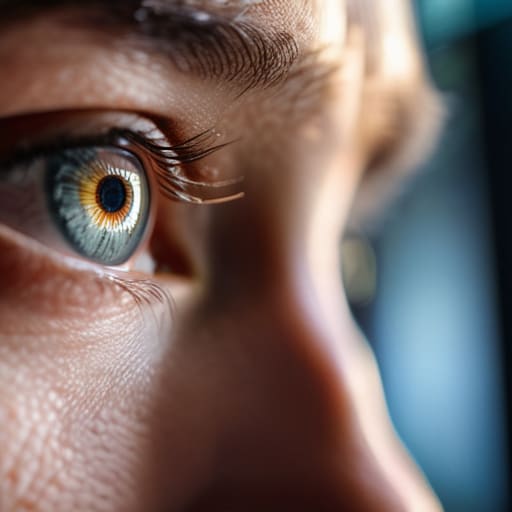
When you’re staring at a frame where the client’s shoulder is cutting into the lens or a stray coffee cup is stealing the spotlight, don’t panic. This is where most people start mourning the shot, but you need to start looking for the salvageable core. Eliminating distractions in photography isn’t just about cleaning up; it’s about deciding what the story actually is. If the subject’s eyes are sharp but the background is a chaotic mess of office clutter, stop trying to save the wide shot. Tighten in. By aggressively using the crop to cut out the noise, you force the viewer to look exactly where you want them to.
Sometimes, the original framing just fails the mood. If you shot a portrait in a standard 3:2 ratio but it feels stagnant, try a tighter, more vertical crop. You’ll find that the aspect ratio impact on mood is massive; a vertical crop can feel intimate and urgent, whereas a wide shot feels observational. Don’t be afraid to break the rules of thirds if it means centering a gaze to create tension. If the shot is a disaster, the crop is your second chance to find the composition you intended to capture.
Visual Storytelling Through Cropping When the Light Fails
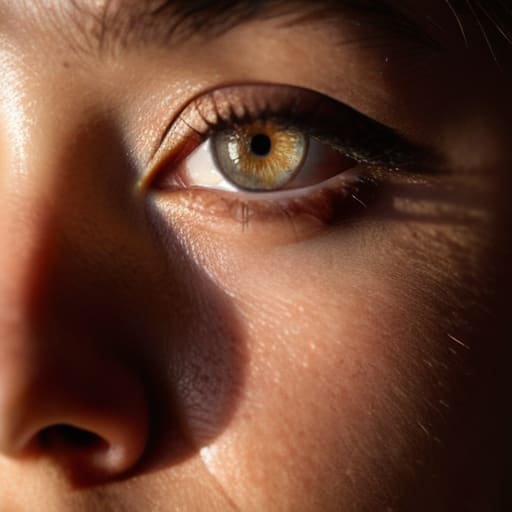
Sometimes the light isn’t just bad; it’s actively working against you. You’re in a studio with a client who insisted on natural light, but the sun has moved, the shadows are swallowing their eyes, or there’s a hideous fluorescent hum from the hallway bleeding into the frame. When you can’t fix the light in the room, you fix it in the crop. This is where visual storytelling through cropping becomes a survival tactic rather than an aesthetic choice. If the light is falling off too fast on one side of the face, don’t try to brighten it in post—just crop in tight. By narrowing your field of view, you can isolate the illuminated part of the subject and turn a poorly lit wide shot into an intimate, moody study of texture and shadow.
It’s also about managing what the viewer is forced to see. If a stray beam of light is hitting a distracting piece of equipment in the background, stop fighting the exposure and start eliminating distractions in photography by tightening your frame. I often find that a tighter crop allows me to use framing and negative space to create a sense of tension that the original, messy wide shot lacked. You aren’t just cutting edges; you are deciding exactly which part of the story is allowed to exist.
Eliminating Distractions in Photography to Find the Truth
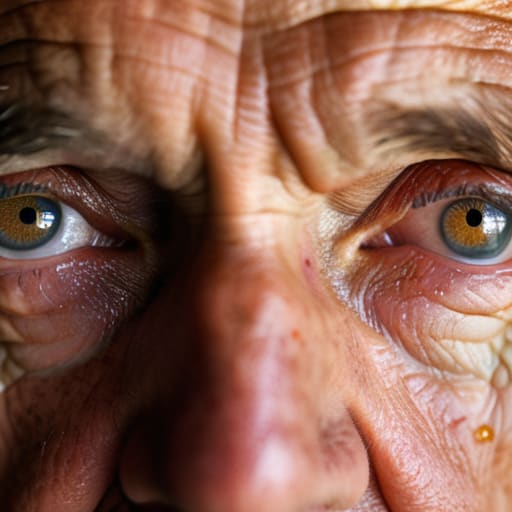
Sometimes, the most honest thing you can do is cut away the noise. I’ve spent countless hours on shoots where the subject was perfect—the lighting was hitting their eyes just right, the expression was genuine—but there was a stray power cable or a half-eaten sandwich on the table behind them. When you’re eliminating distractions in photography, you aren’t just tidying up; you are forcing the viewer to look exactly where you want them to. If the clutter is competing with the person’s gaze, the connection is lost.
I tend to look for the “visual anchor” first. Once I find that, I use the crop to aggressively prune anything that pulls the eye away from the story. This isn’t about following a textbook; it’s about intentional framing and negative space. Sometimes, a tight crop that pushes the subject right to the edge of the frame creates a sense of intimacy that a wide, “safe” shot never could. You have to be willing to lose the context of the room to save the truth of the face.
Mastering Rule of Thirds Application to Fix the Chaos
Look, the rule of thirds isn’t some sacred law handed down from a mountain, but when a shoot goes sideways, it’s your best tool for regaining control. I’ve spent countless hours staring at a frame where the subject is awkwardly centered or, worse, drifting toward a corner because the client shifted their chair mid-session. Instead of panicking, I use a tight rule of thirds application to pull the eyes back to where they belong. By shifting the subject’s eyes to one of those upper intersections, you stop the viewer from wandering and force them to actually look at the person you were hired to capture.
It’s also about how you handle the leftover space. If you’ve got a cluttered background that’s eating the subject alive, don’t just zoom in blindly. Think about framing and negative space; sometimes, cropping heavily to one side creates a sense of breathing room—or tension—that wasn’t there in the original raw file. You aren’t just cutting edges; you are deciding which part of the chaos deserves to exist.
Framing and Negative Space Making Room for the Story
If you’ve spent any time in a studio, you know the feeling: the subject is perfect, the lighting is hitting them just right, but the frame feels suffocating. You’ve captured the person, but you haven’t captured the feeling. This is where framing and negative space move from being academic concepts to your best tools for survival. I often find myself shooting a portrait where the client looks too “busy” because of a cluttered background or a poorly placed light stand. Instead of panicking, I look at how much room I can give them to breathe. By cropping in to create a vast, empty expanse around a subject, you aren’t just cutting out the mess; you are directing the viewer’s eye exactly where it needs to go.
Don’t forget that the aspect ratio impact on mood is real and immediate. A tight, square crop can feel intimate or even claustrophobic, which might work for a gritty character study, but a wide, cinematic crop can make a subject look lonely or contemplative. When I’m stuck with a shot that feels “off,” I experiment with how much emptiness I can force into the frame. Sometimes, the most powerful part of the image is the part you decide not to show.
The Aspect Ratio Impact on Mood and Final Intention
Once you’ve finally cleaned up the frame, you have to decide on the shape of the container. I’ve learned the hard way that changing the aspect ratio is more than just a technical setting; it’s a fundamental shift in how the viewer feels. If you’re shooting a corporate headshot and you crop it into a tight, square 1:1, you’re forcing an intimacy that might feel uncomfortably close for a CEO. On the other hand, if you go for a wide, cinematic 16:9, you’re leaning into a sense of scale and environment. This is where aspect ratio impact on mood becomes your most subtle tool. A tall, vertical crop can feel voyeuristic or even slightly claustrophobic, which might work for a moody, low-light portrait, but it will kill the energy of a wide environmental shot.
Don’t just default to the standard 4:3 or the sensor’s native shape. I often find myself playing with the crop to change the psychological weight of the image. If I want to emphasize a subject’s isolation, I might push for a wider, more expansive ratio to increase the sense of framing and negative space around them. It’s about deciding whether you want the viewer to feel like they are standing right in the subject’s personal bubble or watching them from across a crowded room.
Five ways to stop cropping by accident
- Stop cropping to find the subject; crop to find the tension. If you’re just cutting out a messy background, you’re repairing a mistake. If you’re cutting in tight on a subject’s eyes to make the viewer feel the weight of a moment, you’re making a choice.
- Watch your head height. I’ve seen so many “saved” portraits ruined because the crop cut off just enough of the forehead to make the subject look like they’re floating or, worse, like they’ve lost half their skull. Leave enough breathing room so the crop feels intentional, not accidental.
- Don’t be afraid to go uncomfortably tight. If the story is in the hands—and trust me, once you ask them what they do with them when they’re nervous, you’ll see the story is almost always in the hands—then crop the torso out entirely. A tight frame on a clenched fist or a nervous grip on a chair tells more than a wide shot of a person looking lost in a room.
- Respect the edges of your frame. A bad crop often happens because you’ve sliced through a limb or a piece of clothing at a weird angle, creating a “phantom” edge that pulls the eye away from the face. If you can’t crop around the limb, don’t crop at all; just live with the extra space.
- Test your crop against the final destination. A crop that looks dramatic on my 27-inch monitor might look like a complete disaster when it’s shrunk down to a thumbnail on a client’s LinkedIn profile. Always zoom out. If the intent disappears when the image gets small, your crop is too busy.
The crop isn't a correction
Don’t treat the crop like a bandage for a bad photo; treat it like a scalpel. You aren’t just cutting out the messy corner of the studio or that distracting power cable—you are deciding exactly where the viewer is allowed to look, and more importantly, what they aren’t allowed to see.
Iwona Krawczyk
Stop worrying about the frame
At the end of the day, cropping isn’t about fixing a mistake or hiding the fact that your studio light fell over mid-shoot. It’s about deciding what actually matters in the image once the chaos has settled. Whether you are aggressively cutting out a distracting exit sign, using negative space to give a subject room to breathe, or shifting the aspect ratio to change the entire emotional weight of a portrait, you are making a choice. Remember: the crop is just as much a part of the composition as the lens choice was. Don’t be afraid to cut deep if it means you finally find the truth of the moment that was buried under all that visual noise.
If you find yourself staring at a frame that feels “off,” stop looking at your settings and start looking at the edges. Most of the time, the solution isn’t a better sensor or a more expensive prime lens; it’s simply knowing when to step back and decide what stays and what goes. Photography is often a series of compromises between what you wanted and what the room actually allowed you to do. Learn to embrace those compromises. Use the crop to turn a messy reality into a deliberate intention, and you’ll find that the camera was never the problem to begin with.
