
Stop looking at the spec sheets. If you spend your entire weekend comparing megapixel counts and autofocus points, you’re already falling into the trap. I spent years assisting pros who owned gear that cost more than my first car, only to watch them struggle because they didn’t know how to handle a subject who was visibly sweating under a single tungsten light. The truth about how to choose a first camera is that the marketing departments want you to believe the sensor is the magic ingredient, but it’s not. A high-end body won’t fix a bad composition or a client who is currently staring at their feet because they don’t know what to do with their hands.
I’m not here to give you a curated list of the “top five best cameras for beginners” that someone wrote after reading a press release. Instead, I want to talk about the practical reality of what you actually need to get through a shoot without wanting to throw your bag in a river. I’m going to tell you which features actually matter when the light is dying and which ones are just expensive distractions. This is about finding a tool that gets out of your way so you can actually start seeing.
The Myth of the Perfect Tool How to Choose a First Camera
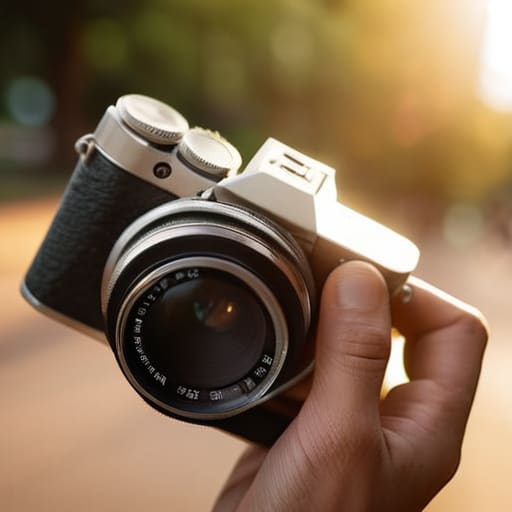
I spent my first three years assisting because I wanted to see the “real” gear in action, and if there is one thing I learned, it’s that people spend way too much time staring at spec sheets. You’ll see endless debates about mirrorless vs DSLR for beginners, and while there are legitimate reasons to pick one over the other—weight, autofocus, lens availability—none of that matters if you’re too intimidated by the buttons to actually take a photo. A camera is just a box that catches light; if you’re waiting for the “perfect” setup to start your portfolio, you’re just procrastinating.
When you’re looking at photography gear for beginners, ignore the marketing fluff about megapixels. An entry-level sensor is more than enough to teach you the fundamentals. I’d rather you pick up a mid-range body that feels balanced in your hands and spend your remaining budget on a single, decent prime lens. The goal isn’t to own the most expensive kit; it’s to own something that doesn’t feel like a chore to carry to a shoot.
Why Photography Gear for Beginners Is Mostly a Distraction
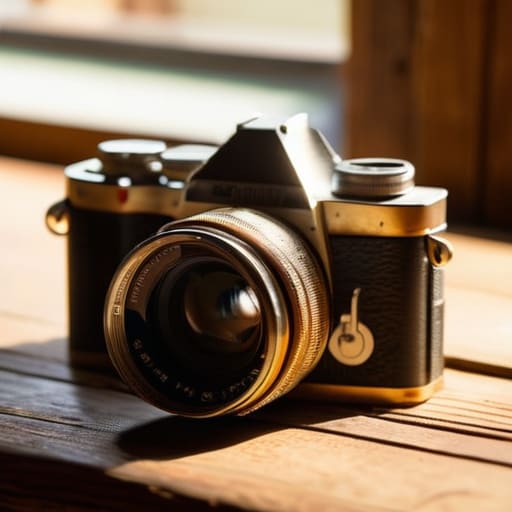
I spent eight years as an assistant watching people spend three months’ rent on a body that sat in a bag because they were too intimidated to actually press the shutter. We get caught in this loop of comparing mirrorless vs DSLR for beginners, arguing over megapixel counts and autofocus points as if a faster sensor will somehow teach us how to see light. It won’t. A high-end sensor is just a more expensive way to capture a boring composition.
The truth is that most photography gear for beginners is marketed as a solution to a problem you don’t actually have yet. You don’t need a dual-slot card reader or a prime lens that costs more than your car; you need to learn why a shadow looks muddy or how to stop a subject from looking like a deer in headlights. If you spend all your energy obsessing over the spec sheet, you’ll miss the moment the light actually hits the subject’s eyes. Focus on understanding how light behaves in a room rather than which brand has the most buttons.
Mirrorless vs Dslr for Beginners Choosing Your Battleground
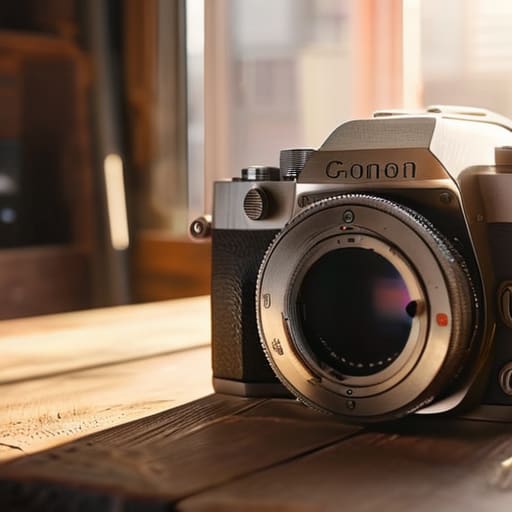
This is where the gear forums usually descend into madness, but let’s strip it back. When you’re looking at mirrorless vs DSLR for beginners, the real debate isn’t about sensor tech; it’s about how much weight you want to carry and how much you want to see before you click. DSLRs are the old guard—sturdy, reliable, and they have that optical viewfinder that lets you see the world exactly as it is. They’re great if you want to learn the tactile mechanics of a tool that feels like a machine.
However, if you’re like me and you’ve spent half your career chasing light in cramped studios or moving between locations, mirrorless is going to feel like a godsend. The electronic viewfinder shows you exactly how your exposure looks before you take the shot, which is a massive shortcut when you’re still understanding camera aperture and shutter speed. It takes the guesswork out of the equation. Just be aware that the battery life on mirrorless bodies can be a bit of a headache compared to the tank-like endurance of a DSLR. Pick the one that makes you want to actually pick up the camera and go outside.
Beyond the Box Understanding Entry Level Camera Sensor Size
You’ll see people arguing about sensor sizes like they’re debating engine displacement in cars, but for most of you, it’s just more noise. When you’re looking at entry level camera sensor size, you’re really choosing between the tiny, efficient world of APS-C and the big, hungry Full Frame. Most of the gear marketed as photography gear for beginners focuses on APS-C. It’s smaller, it’s lighter, and frankly, it’s easier to manage when you’re lugging a kit through a crowded city or a cramped studio.
The “Full Frame is better” crowd isn’t wrong, but they aren’t telling you the whole story. A larger sensor handles low light with more grace and gives you that creamy, shallow depth of field that makes portraits look expensive. But that comes with a tax: the lenses are heavier, the bodies are pricier, and your kit becomes a burden much faster. If you aren’t planning on shooting weddings in dimly lit cathedrals every weekend, don’t feel pressured to go big just because a spec sheet says so. Pick the sensor that fits the life you actually lead.
The Best Camera Brands for Newcomers and Their Traps
When you start looking at the best camera brands for newcomers, you’ll quickly realize that every manufacturer has a specific “personality” that might not suit your actual workflow. Canon is the old reliable; their color science is forgiving, which is a godsend when you’re still struggling with understanding camera aperture and shutter speed in a dimly lit room. Sony, on the other hand, is the tech powerhouse. Their autofocus is legendary, but their menus can feel like you’re trying to navigate a cockpit during an emergency. If you’re someone who gets overwhelmed easily, that steep learning curve might kill your creative momentum before you’ve even found your light.
Then there’s Fujifilm, which sells a dream of tactile dials and beautiful retro aesthetics. It’s tempting, I know. But don’t let the pretty buttons distract you from the reality of your photography kit essentials. A camera that looks great on a cafe table is useless if the lens ecosystem is too expensive for your budget or if the sensor doesn’t play nice with the lighting you actually have access to. Pick a brand that feels intuitive, not just the one that looks best in an Instagram ad.
Mastering the Room Beyond Photography Kit Essentials
Once you’ve finally stopped staring at spec sheets and actually picked a body, you’re going to realize that the most important part of your setup isn’t in your camera bag. I spent years assisting on shoots where the lighting was perfect and the sensor was top-tier, but we still struggled because the room was a disaster. You can have the most expensive photography gear for beginners—or pros, for that matter—but if you haven’t considered how the light hits a white wall or how much space you actually have to move, you’re going to fight the environment instead of capturing the subject.
Don’t just pack your lenses and head out; think about the unseen essentials. I always make sure I have extra batteries, a reliable way to manage my files, and perhaps a simple reflector or a piece of white foam board. These are the things that actually bridge the gap between a technical exercise and a successful session. It’s about managing the friction of the physical space. If you’re too busy wrestling with a tripod that won’t lock or a cramped studio layout, you’ll never have the mental bandwidth to actually see the light.
Five Things to Check Before You Hand Over Your Credit Card
- Hold it. Seriously. Don’t just look at the specs on a screen; go to a shop and put the thing in your hands. If it feels like a brick or your fingers can’t reach the shutter button without a gymnastics routine, you’ll end up leaving it in the cupboard after three months. A camera should feel like an extension of your hand, not a piece of heavy machinery you’re struggling to operate.
- Prioritize the lens over the body. You can always swap a camera body in two years when you’ve outgrown the sensor, but a bad lens is a permanent handicap. If you have a limited budget, buy a decent mid-range body and save enough to get a “nifty fifty”—that 50mm prime lens—because that’s where you’ll actually learn how light and depth of field work.
- Check the menu system, not just the megapixels. I spent my first year assisting a pro who had a camera with a menu so convoluted it took ten minutes to change the ISO. When you’re in the middle of a shoot and the light is shifting, you don’t have time to play “find the setting.” If the interface feels like a labyrinth, walk away.
- Look for “the compromise” in ergonomics. Every camera makes a trade-off. A tiny, compact camera is great for travel but will likely lack the physical dials you need to make quick adjustments. A professional-grade body is rugged and intuitive but will weigh you down and drain your bank account. Decide now which inconvenience you’re more willing to live with.
- Don’t buy into the “upgrade loop” marketing. The industry wants you to think your current gear is obsolete every eighteen months. It isn’t. Your first camera is a tool to help you learn the relationship between light, subject, and composition. If it takes a sharp photo and lets you control your settings, it’s doing its job. Focus on the skill, not the version number.
The Gear Trap
Stop looking at spec sheets like they’re a roadmap to talent. A brand-new sensor won’t help you when the light in the room is garbage or your subject starts fidgeting with their hands, so just buy something that feels natural in your grip and spend the money you saved on a better lens or a decent light meter instead.
Iwona Krawczyk
Stop Waiting for the Perfect Setup
At the end of the day, choosing a camera is a series of compromises. You’ve weighed the sensor sizes, debated the merits of mirrorless over DSLR, and likely felt a momentary panic about whether you picked the “right” brand. But remember: the gear is just the container. Whether you’re working with a crop sensor or a full-frame beast, the real work happens in how you manage the light, how you handle a nervous subject, and how you navigate the unpredictable chaos of a real shoot. Don’t let the technical specs paralyze you; the best camera is the one you actually know how to carry through a door without being afraid of it.
My advice? Buy something that feels sturdy in your hands and get out of your own way. You are going to make mistakes—you’ll miss the focus, you’ll blow out the highlights, and you’ll realize halfway through a shoot that you should have brought a different lens. That’s fine. That is exactly how you learn. The magic isn’t in the glass or the sensor; it’s in your ability to see a moment before it disappears. So, stop browsing spec sheets, pick a body, and go find something worth shooting. The light won’t wait for you to be “ready.”