
I remember sitting on a milk crate during my third year of assisting, watching a senior shooter swap out three different prime lenses in under five minutes because the client suddenly decided they wanted a “wider, more lifestyle” feel in a room that was already too small. It was chaotic, sweaty, and completely unnecessary. We spend so much time obsessing over gear lists and spec sheets, but when you’re actually standing in a cramped studio with a subject who is already asking what they should do with their hands, the math changes. Most people get stuck in a loop of theoretical perfection, trying to figure out how to decide between zoom and prime based on what a YouTube review says, rather than looking at the actual logistics of the room they’re standing in.
I’m not here to give you a lecture on focal lengths or sensor coverage. Instead, I want to talk about the friction of the job: the weight in your bag, the speed of your workflow when a shoot is running late, and the reality of your budget. I’ll show you how to weigh the compromise of convenience against the pursuit of that perfect, razor-thin depth of field. This isn’t about which lens is technically superior; it’s about which one won’t fail you when the client changes their mind.
The Zoom Lens: Versatility on the Fly
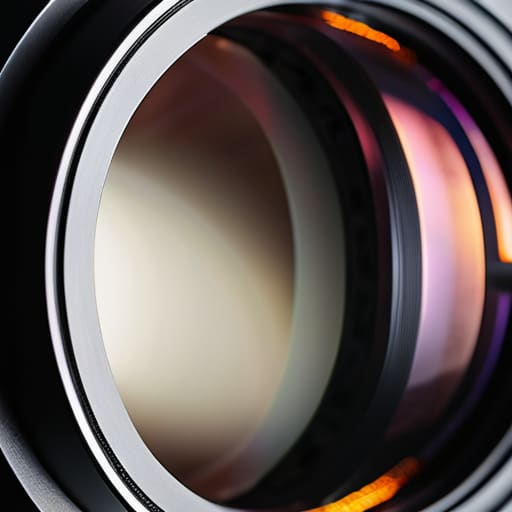
A zoom lens is a piece of glass designed with a variable focal length, allowing you to change your field of view without physically moving your body or swapping equipment. The core mechanism relies on internal moving elements that shift to alter magnification, and its main selling point is the sheer unrivaled convenience it offers when you are working in a constrained environment.
In my experience, the real value of a zoom isn’t just the convenience; it’s the ability to react when a shoot starts falling apart. I remember a corporate team shoot in a cramped, glass-walled boardroom where I had exactly three feet of clearance between the subject and the wall. If I’d been carrying a fixed prime, I would have been stuck shooting wide and losing the intimacy of the portrait, but the zoom let me tighten the frame instantly. It’s about having a safety net when the room refuses to cooperate with your creative vision.
The Prime Lens: The Pursuit of Character
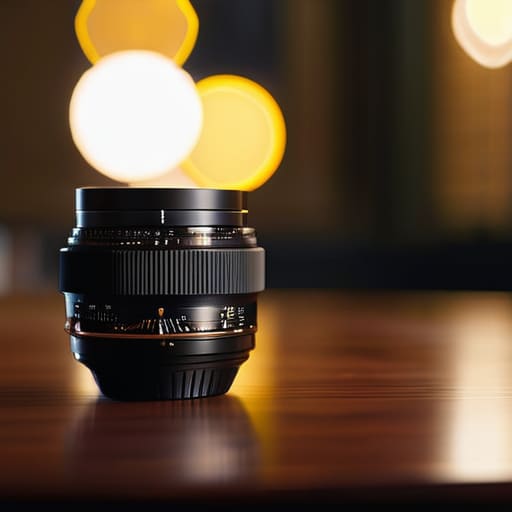
A prime lens is a fixed focal length optic, meaning it is engineered to shoot at one specific magnification and cannot be zoomed in or out. Because the internal architecture is simplified and optimized for a single task, the primary objective advantage is typically superior optical performance, particularly regarding sharpness and wider maximum apertures.
When I’m shooting an author portrait and I want that specific, creamy separation between the subject and a messy bookshelf, I reach for a prime every single time. There is a predictable, tactile reliability to them that a zoom just can’t mimic; you learn exactly how a 50mm or an 85mm behaves in a specific light. It forces you to move your feet and actually engage with the space, which often leads to better compositions than just twisting a ring on a barrel. It’s a commitment to a specific look, and usually, that commitment pays off in the final image.
Comparison of Zoom vs. Amazon Prime
| Feature | Zoom | Amazon Prime |
|---|---|---|
| Primary Function | Video Conferencing & Communication | E-commerce & Entertainment Subscription |
| Core Value Proposition | Seamless virtual meetings and collaboration | Fast shipping and digital media access |
| Pricing Model | Freemium (Free basic tier / Paid Pro tiers) | Monthly or Annual flat subscription fee |
| Key Features | Screen sharing, breakout rooms, recording | Prime Video, free shipping, Prime Music |
| Target Audience | Professionals, educators, and remote teams | Online shoppers and digital media consumers |
| Best For | Remote work and online instruction | Household shopping and streaming entertainment |
Understanding How to Decide Between Zoom and Prime
Deciding between a zoom and a prime isn’t about which piece of glass is technically superior; it’s about deciding how much friction you can tolerate during a shoot. If you spend half your session swapping lenses because you misjudged the distance between your subject and the wall, you aren’t just losing time—you’re losing the rapport you worked so hard to build. Every time you reach for your bag, the energy in the room shifts, and suddenly your subject is wondering why you’re fiddling with gear instead of looking at them.
A zoom lens is your insurance policy against a changing environment. When I’m shooting a corporate team in a cramped office where I can’t physically move back, that versatility is a lifesaver. However, a prime lens forces a different kind of intentionality. It demands that you move your feet and commit to a composition, which often results in a sharper, more decisive look. The trade-off is that you’re constantly negotiating with the physical limits of the room.
If the goal is pure, unadulterated speed and adaptability in unpredictable spaces, the zoom lens wins this round.
Key Things to Know
The reason this matters isn’t about the math on the spec sheet; it’s about your mental bandwidth during a shoot. When you’re halfway through a corporate headshot session and the light is shifting because a cloud moved or a window was opened, you don’t have time to philosophize. You need to know if your gear is going to help you or become another thing you have to manage.
With a zoom, the “key thing” is the freedom to pivot without moving your feet. If I’m shooting a team and the CEO decides they want a tighter crop mid-session, I just twist the barrel. But there’s a hidden tax: you’re often carrying more weight, and you’re making a compromise on that razor-sharp edge that primes provide.
Primes, on the other hand, force a different kind of discipline. They demand you actually know the room and the distance between you and the subject before you even click the shutter. You lose the ability to pivot quickly, but you gain a certain predictability in your workflow and a level of light-gathering that a zoom simply can’t mimic when the sun goes down.
For pure, unadulterated versatility in a chaotic environment? The zoom takes it.
Practical Tips and Steps
At the end of the day, your gear choice dictates your physical movement in a room. You can have the most expensive kit in the world, but if you’re spending your session fighting your focal length instead of managing your subject, you’ve already lost the light. It’s about the rhythm of the shoot and how much mental bandwidth you have left for the person in front of the lens.
When you’re running a tight schedule—like a corporate headshot session where the client is already checking their watch—the zoom is your best friend. You aren’t hunting for a new lens while the light is shifting; you’re just twisting the barrel and staying in the flow. However, if you’re doing a controlled portrait session where you want to strip away distractions, the prime forces a specific discipline. You have to move your feet to frame the shot, which actually helps you understand the geometry of the space better than a zoom ever will.
If the goal is efficiency and minimizing kit changes in a chaotic environment, the zoom wins. But if you want to master your composition through physical intent, the prime is the better teacher.
The Real Choice
Stop looking at the spec sheets for a second. The real decision isn’t about focal lengths or f-stops; it’s about whether you want to spend your shoot fighting the gear to get the shot, or using the gear to get to the person. A prime lens demands you move your feet, which is great for your rhythm, but a zoom saves you when the client is running five minutes late and the light is already dying. Choose the tool that lets you stop thinking about the glass and start looking at the eyes.
Iwona Krawczyk
The Final Choice
At the end of the day, choosing between a zoom and a prime isn’t some grand philosophical debate about optical perfection; it’s a logistical decision about how much friction you can tolerate in a real-world setting. If you’re shooting a fast-moving corporate event where you don’t have the luxury of moving your feet, that zoom is your best friend, even if it’s a bit heavier in the bag. But if you’re tucked into a cramped studio with a single light and a subject who is already feeling self-conscious, the predictability and speed of a prime will save your sanity. Don’t get caught in a loop of gear envy. Decide based on the physical constraints of your next shoot—the size of the room, the light available, and how much time you actually have to get the shot before the client starts checking their watch.
Once you’ve made the call and packed your bag, leave the technical anxiety at the door. Whether you’re dialing in a wide aperture on a 50mm or adjusting your focal length on a 24-70mm, remember that the glass is just a tool to help you see what’s actually in front of you. The magic doesn’t happen in the lens elements; it happens in the way you manage the light and the way you talk to the person sitting in your chair. Stop worrying about whether you have the absolute best glass on the market and just start shooting with what you have. The best gear is the stuff that gets out of your way so you can actually do the work.
