
Stop looking at the resolution charts and the marketing fluff about “cinematic sensor sizes” for a second. I spent years assisting in studios where people would spend forty minutes debating the merits of a specific lens only to realize the client had forgotten to bring the subject’s shoes. Choosing a drone is no different. Most of the spec sheets are designed to make you feel like you’re missing out if you don’t spend five thousand dollars, but when you’re actually standing in a field trying to figure out how to choose a drone for stills that won’t die in a light breeze, those numbers don’t mean a damn thing. It’s rarely the megapixels that fail you; it’s the battery life, the wind resistance, and the sheer weight of your gear when you’re hiking to a location.
I’m not here to sell you on a lifestyle or a piece of tech that belongs in a museum. This is my notebook on the practical side of things—the stuff they skip in the glossy manuals. I’m going to tell you exactly what matters when you’re actually on location, focusing on the compromises you’ll inevitably make between portability and image quality. No hype, just the reality of what works when the sun is dropping and the wind is picking up.
Understanding How to Choose a Drone for Stills
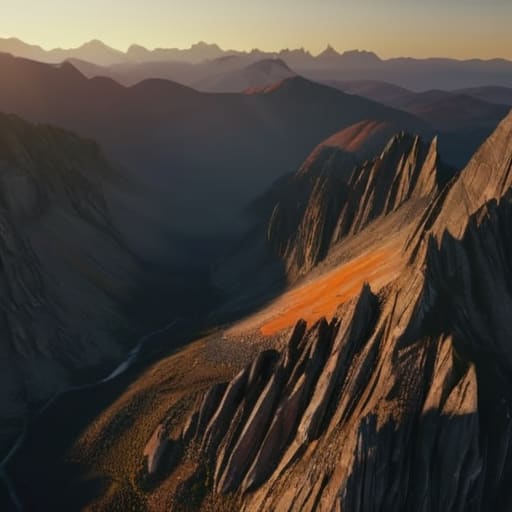
When you’re staring at a spec sheet, it’s easy to get lost in the numbers, but stop obsessing over the megapixels for a second. I’ve seen high-resolution drones produce muddy, flat images because the sensor was too small to handle a bit of shadow. If you’re looking for the best drone for landscape photography, you need to prioritize camera sensor size for aerial photography over raw pixel count. A larger sensor—ideally a 1-inch type or even a full-frame if you have the budget and the steady hands—will give you the dynamic range you actually need when the sun is fighting you.
It’s also about how the machine behaves when the wind picks up. You can have the most expensive optics in the world, but if the gimbal is struggling, your sharpness goes out the window. I care deeply about drone flight stability for long exposures; if the craft can’t hold a steady hover during a slightly longer shutter speed, those beautiful landscape details turn into a blurry mess. Don’t just buy the flashiest toy; buy the one that stays still when the environment gets difficult.
Key Things to Know
First, stop obsessing over the number on the box. I see so many people getting caught in the trap of megapixels vs sensor quality in drones, thinking a higher number automatically means a better shot. It doesn’t. You can have a 48-megapixel sensor that produces muddy, noisy files if the physical sensor itself is tiny. If you’re serious about landscapes, you need to look at the actual camera sensor size for aerial photography. A larger sensor handles the dynamic range of a sunrise far better than a high-resolution chip that’s no bigger than a fingernail.
Then there is the mechanical reality of the flight itself. You can have the most expensive glass in the world, but if the craft is twitchy, your work is dead on arrival. If you plan on doing any serious landscape work, you need to prioritize drone flight stability for long exposures. A drone that fights every minor gust of wind will turn your crisp textures into a blurry mess. It’s not just about the image; it’s about the platform’s ability to stay still enough to let the sensor actually do its job.
Practical Tips and Steps
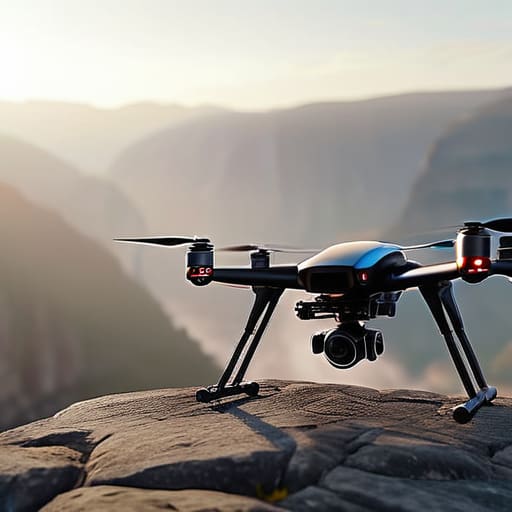
First, stop obsessing over the spec sheet and start thinking about the wind. You can have the most expensive rig in the world, but if the gimbal can’t fight a crosswind, your sharp landscape shots will look like they were taken during an earthquake. When you’re looking for the best drone for landscape photography, you aren’t just buying a flying camera; you’re buying a stable platform. I’ve seen plenty of beginners get blinded by high megapixel counts, only to realize that megapixels vs sensor quality in drones is the real battle. A massive sensor with decent resolution will beat a tiny, high-megapixel sensor every single time when you need to pull detail out of a shadow.
Next, check your workflow before you click ‘buy.’ If you plan on printing anything larger than a postcard, your drone image resolution requirements are going to spike. Don’t just look at the number on the box; look at the bit depth and the raw capabilities. I always tell my assistants: if the sensor is too small to handle the dynamic range of a sunset, all that extra resolution won’t save you from muddy, noisy skies.
Common Mistakes to Avoid
The biggest mistake I see is people getting blinded by a spec sheet. They’ll see a massive number of megapixels and think they’ve found a goldmine, but they’re completely ignoring the actual megapixels vs sensor quality in drones trade-off. A high megapixel count on a tiny, cramped sensor is just going to give you a very detailed image of nothing but digital noise. If you want to actually print something or crop in without the image falling apart, you need to look at the physical size of that sensor. It’s the difference between a clean, professional shot and something that looks like it was taken with a webcam.
Another trap is obsessing over the “best” drone for landscape photography without considering how you’re actually going to use it. I’ve seen people lugging around heavy, expensive rigs when a smaller, more agile setup would have done the job better. They also forget about the environment. If you’re planning on doing any serious work at dawn or dusk, you need to prioritize drone flight stability for long exposures. If the craft can’t hold a steady position when the wind picks up, all those fancy specs won’t save your shot from being a blurry mess.
Final Thoughts
Look, at the end of the day, you aren’t going to find the perfect machine in a spec sheet. You’ll find it when you’re standing in a field at 5:00 AM, fighting a headwind, and realizing that your gear actually holds up. If you’ve spent any time obsessing over megapixels vs sensor quality in drones, stop for a second. A massive resolution doesn’t matter if the sensor is too small to handle the dynamic range of a sunrise, or if the wind makes your footage look like a shaky handheld shot from 2005.
Don’t let the marketing brochures bully you into buying a drone that’s too heavy or too complex for the work you actually want to do. Whether you are looking for the best drone for landscape photography or just something reliable enough to grab a quick aerial shot of a client’s property, prioritize the things that actually affect the final file. Focus on the stability and the light. Everything else is just noise. Now, go out and actually test the thing before you commit your entire budget to it.
The stuff they don't put in the glossy brochures
- Stop obsessing over megapixels and start looking at the sensor size. A 45-megapixel sensor on a tiny drone is useless if it’s so small that your dynamic range disappears the moment a cloud passes over the sun. If you’re shooting stills, you want that extra sensor real estate to handle the shadows, or you’ll spend your whole evening fighting noise in Lightroom.
- Check the wind resistance specs, not just the “top speed.” I’ve seen beautiful shoots ruined because a drone can fly fast in a vacuum but turns into a vibrating, jittery mess the moment a real breeze hits. If the gimbal can’t compensate for the micro-shudders caused by wind, your “sharp” landscape is going to look like it was shot through a layer of Vaseline.
- Prioritize the mechanical shutter over the electronic one. Most consumer drones use an electronic shutter, which sounds fine until you try to capture something moving and end up with “jello effect”—that weird, rolling distortion that makes everything look like it’s underwater. If you want crisp stills without the digital smear, look for gear that handles shutter speed like a real camera.
- Think about the weight, but specifically for the logistics of getting there. A heavy, enterprise-grade drone might have a better sensor, but if it requires three people and a van to transport, you’re going to skip the best light because you’re too busy wrestling with heavy cases. The best drone is often the one that actually makes it into your bag when the sun starts to dip.
- Don’t ignore the battery reality. The manufacturer will tell you “30 minutes of flight time,” but in the real world—with wind, with you actually framing a shot, with the occasional restart—you’re lucky to get twenty. If you’re buying a drone for a serious shoot, you aren’t buying one battery; you’re buying three, or you’re just buying an expensive paperweight.
Forget the Megapixels
You can spend all day obsessing over sensor resolution, but if you pick a drone that can’t handle a stiff breeze or a battery that dies before you’ve even found your composition, those extra megapixels are just expensive digital noise. Choose the tool that stays in the air long enough for you to actually do the work.
Iwona Krawczyk
The Reality of the Gear
At the end of the day, picking a drone for stills isn’t about finding the one with the most expensive sensor or the fanciest flight modes. It’s about finding the tool that doesn’t fight you when the wind picks up or when you’re trying to nail a specific composition in a tight window of light. Remember that the weight of the kit, the reliability of the battery, and how much the software actually gets in your way are the metrics that matter once you’re out in the field. Don’t let the spec sheets bully you into buying a professional rig that’s too heavy to carry or too complex to operate when the sun is finally hitting that perfect angle. Buy for the workflow you actually have, not the one you imagine you’ll have in a perfect world.
I’ve spent enough years behind a lens to know that the most expensive piece of equipment is usually the one that sits in the bag because it’s too much of a headache to set up. Whether you end up with a tiny sub-250g unit or something more substantial, the goal remains the same: getting the image. The drone is just a flying tripod, and like any other tool in your kit, its only job is to disappear so you can focus on the light and the frame. Stop worrying if you’re missing out on some marginal technical advantage and just get out there. The best shot won’t come from the most expensive sensor; it’ll come from you being in the right place at the right time with gear you actually trust.
