
I remember sitting on a milk crate in a drafty studio three years ago, staring at a credit card statement that looked more like a phone number than a balance. I had just convinced myself that a specific, high-end prime lens was the only thing standing between me and a professional career. It wasn’t. I was actually just struggling with a client who wouldn’t stop fidgeting and a window that let in too much harsh afternoon light. We spend so much time chasing the “perfect” kit, but learning how to rent gear instead of buying is the only way to actually grow without going broke. Most of the gear you see in glossy YouTube reviews is just expensive noise designed to make you feel inadequate.
I’m not here to give you a lecture on depreciation schedules or technical spec sheets you can find on any manufacturer’s website. Instead, I want to talk about the actual logistics: how to vet a rental house, what happens when a borrowed sensor is coated in dust, and how to decide which pieces of kit are actually worth the temporary hit to your bank account. This is about practicality over prestige, ensuring you have the right tools for the specific chaos of your next shoot.
The Gear Trap Why Your Next Upgrade Isnt the Solution
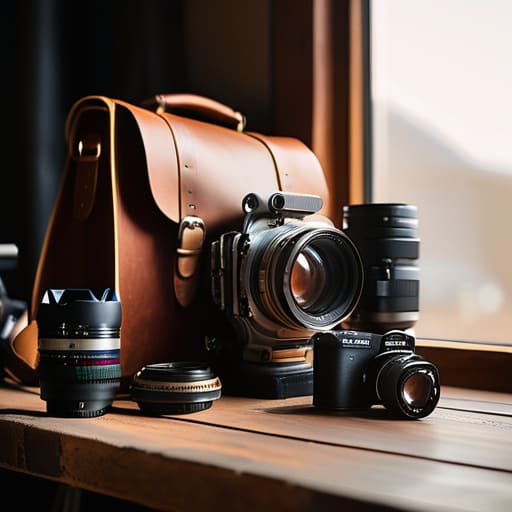
I’ve seen it happen a dozen times: a photographer hits a plateau with a difficult client, decides their sensor isn’t “sharp enough,” and drops five grand on a new body. They think the gear will solve the lack of direction in their portraits, but the gear never fixes a bad lighting setup or a nervous subject. This is the gear trap. You end up with a closet full of depreciating assets that you only use 5% of the time, while your bank account takes the hit. Instead of chasing the next spec sheet, you should be looking at a try before you buy strategy. If you aren’t sure if that heavy cinema lens actually fits your handheld style, don’t marry it on day one; rent it for the weekend and see if it actually improves your workflow or just adds weight to your bag.
When you run a quick cost-benefit analysis of renting equipment against the reality of your monthly income, the math usually favors the rental. It’s not just about saving cash; it’s about staying agile. If a client suddenly demands a high-end video rig for a corporate shoot, you don’t need to own it—you just need access to it.
The Real Cost Benefit Analysis of Renting Equipment Over Owning
When you sit down to do a real cost-benefit analysis of renting equipment, stop looking at the sticker price of the lens and start looking at your storage unit. Owning gear means paying for its existence 365 days a year, even when it’s sitting in a dark bag collecting dust between commissions. Renting, however, allows you to align your overhead directly with your income. If I have a client who needs a specific anamorphic look for a short film, I’m not going to drop four grand on glass I might use once; I’ll rent it, nail the shot, and send the invoice.
There is also a massive psychological win in the try before you buy strategy. I’ve seen too many photographers commit to a heavy, cumbersome system only to realize three months later that it’s a nightmare to carry through a city shoot. Renting gives you a low-stakes way to test how a piece of kit actually behaves in a real room, under real lights, with a real, nervous client. It’s much better to realize a lens is too soft for your style after a two-day rental than after a six-month payment plan.
How to Rent Gear Instead of Buying to Save Your Sanity

If you’re going to do this, don’t just show up at a rental house and grab whatever looks expensive. You need a try before you buy strategy that actually serves your specific kit. I used to think I needed the latest 85mm prime for every single wedding, but after a few long days of realizing I actually preferred a slightly different weight or focal length, I realized I was just hoarding glass. Before you commit, rent that specific lens for a weekend. See how it handles the light in your specific studio, and more importantly, see how it feels in your hands when you’re three hours into a shoot and your grip is starting to fail.
The logistics matter more than the specs. When I’m looking at the equipment rental vs ownership pros and cons, I’m looking at the “hidden” friction: shipping times, insurance coverage, and the return window. If you’re working on a tight deadline, a local shop you can physically walk into is worth its weight in gold compared to a shiny online subscription model for gear access that might leave you stranded if a motor fails mid-session. Renting isn’t just about saving cash; it’s about keeping your workflow flexible enough to actually handle the chaos.
A Try Before You Buy Strategy for the Uncertain Artist
Think of renting as a high-stakes field test rather than just a way to save a few quid. I’ve seen so many photographers drop two grand on a specific lens only to realize three weeks later that the focal length feels “off” when they’re actually working under the pressure of a client staring them down. Instead of committing to a permanent line item on your balance sheet, use a try before you buy strategy to see how the gear actually behaves in your hands. Does the autofocus hunt when you’re trying to capture a quick movement in a dimly lit studio? Does the weight of that new body make your wrists ache by hour four of a wedding? You won’t know until you’ve actually sweated with it.
This isn’t just about testing ergonomics, though; it’s about understanding the actual utility of the tool. By treating rental houses like a laboratory, you’re essentially performing a real-world stress test. It turns the decision from a theoretical gamble into a proven workflow. If you find yourself renting the same kit three times in a row, then—and only then—should you start looking at the second-hand market.
Equipment Rental vs Ownership Pros and Cons in a Shifting World
The truth is, the choice between owning and renting isn’t just a line item on an invoice; it’s a lifestyle decision that changes how you approach a shoot. When you own, you have the comfort of knowing exactly how your sensor reacts to a specific light, but you also inherit the weight of depreciation and the constant, nagging anxiety of something breaking on a Tuesday. Renting flips that script. You trade that long-term weight for the ability to pivot, which is essential when you’re working with a client who suddenly demands 8K video when you only packed for stills.
Looking at the equipment rental vs ownership pros and cons, you have to weigh the psychological cost of “gear hoarding” against the logistical dance of rental pickups. Ownership offers instant gratification, but renting taps into a much smarter circular economy and product access model. Instead of letting a $3,000 lens sit in a dusty bag for six months, you’re paying for its utility exactly when you need it. It’s about being agile rather than being a walking warehouse.
Embracing the Circular Economy and Product Access for Better Work
There’s a certain romanticism in owning everything—the idea that a shelf full of pristine, unboxed lenses makes you a “real” professional. But honestly? That’s just clutter that gathers dust while you’re busy actually shooting. When I look at the broader picture of circular economy and product access, I see a way to stop treating gear like a trophy and start treating it like a tool. We don’t keep a drill in our kitchen cabinets for years just because we might need to hang a picture once; why do we do it with a $2,000 macro lens?
By leaning into rental ecosystems, we’re essentially reducing consumer waste through rental cycles that actually make sense. Instead of a piece of glass sitting in a dark bag for eighteen months waiting for a specific wedding or a niche product shoot, that gear stays in motion, being used by people who actually need it right now. It’s a much cleaner way to work. It shifts the focus from what you possess to what you can actually execute, which is the only metric that actually matters when the client is standing in front of you, looking nervous and asking what they should do with their hands.
The Rental Checklist: Things I Wish I Knew Before My First Kit Hire
- Check the sensor and the glass before you leave the shop. I’ve spent too many hours in a studio realizing a rental lens has a scratch or a sensor is coated in dust from the last person’s frantic wedding shoot; don’t be polite, ask to mount it and check the focus.
- Rent the “problem” pieces, not the basics. Don’t waste your rental budget on a second body you already own; use that money to rent the specific 85mm prime or the high-speed flash setup that you can’t afford to keep sitting in a drawer for six months.
- Always factor in the “buffer day.” If your shoot is on a Saturday, try to pick up the gear on Friday. There is nothing quite as soul-crushing as a rental return deadline looming while you’re still trying to back up cards or realizing a battery died halfway through a session.
- Read the insurance fine print like it’s a contract for a wedding you’re doing under protest. Know exactly what happens if a client knocks a light stand into your rented lens; “accidental damage” and “theft” are two very different headaches, and you don’t want to find that out when the gear is already broken.
- Build a “rental kit” list in your phone notes. I keep a running list of the specific modifiers and cables I need for different types of shoots so I don’t show up to a lighting setup only to realize I forgot to add a specific trigger or a polarizing filter to my rental order.
The Weight of the Gear Bag
Buying a high-end lens because you think it’ll make you a better portraitist is just a very expensive way to lie to yourself; renting that same lens for a weekend actually gives you the freedom to fail, to experiment, and to realize that the magic usually happens in how you handle the light, not how much you spent on the glass.
Iwona Krawczyk
The Final Frame
At the end of the day, renting isn’t just about keeping your bank balance intact or avoiding the clutter of gear you only use once a year. It’s about the tactical advantage of being able to pivot. When you stop viewing every piece of glass as a permanent limb and start seeing it as a temporary tool, you stop being a slave to your kit list. We’ve covered the math of the rental house versus the retail store, the sanity saved by not chasing every sensor upgrade, and how to use rental periods as a low-stakes testing ground. The goal is to ensure that when you finally do stand in front of a client, you aren’t worrying about whether your gear is “enough,” but rather whether you’ve actually mastered the chaos of the room.
If there is one thing I want you to take away from this notebook, it’s that your talent isn’t stored in a magnesium alloy body or a particularly expensive prime lens. You can rent the best lighting, the sharpest glass, and the most sophisticated video rig on the market, but none of it will fix a lack of direction or a nervous subject. Use the rental model to give yourself the freedom to experiment without the crushing weight of financial guilt. Build your skills, not your debt. Because once you realize the gear is just a means to an end, you can finally start focusing on the only thing that actually matters: the work itself.