
I once spent forty minutes in a drafty studio, sweating through my shirt, trying to dig a single battery out of a “professional” backpack that was so over-engineered it felt like a tactical mission. I was supposed to be setting up a portrait for a client who was already looking at their watch, but instead, I was fighting a zipper that refused to cooperate with my trembling, cold hands. Most gear reviews will tell you about weatherproofing or specialized foam inserts, but they completely ignore the reality of how to choose a camera bag that works when you are actually losing your mind. A bag shouldn’t be a fortress; it needs to be an extension of your own frantic movements.
I’m not here to sell you on the latest trend in ballistic nylon or some overpriced designer silhouette. This is about the friction between you and your kit. I want to talk about the weight that ruins your lower back by hour four, the pockets that are actually useful, and why a bag that looks great in a showroom is often a total disaster on a real shoot. This is my guide to finding something that actually serves you, rather than becoming another thing you have to manage.
Forget the Gear How to Choose a Camera Bag That Works
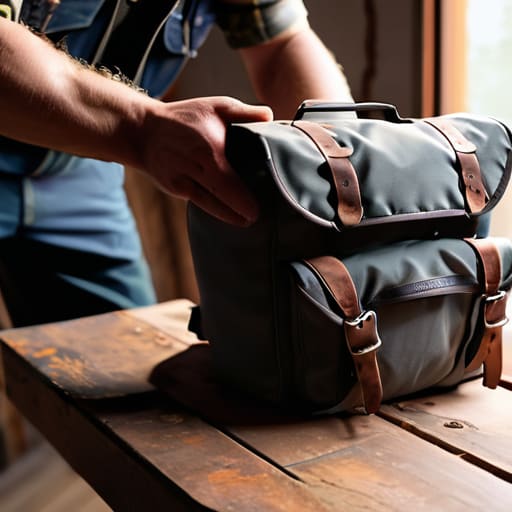
Stop looking at the spec sheets for a moment and think about your last shoot. You know the one—where you’re standing in a drafty studio, the client is checking their watch, and you realize you can’t find the single battery you know you packed. A bag that looks good in a catalog is useless if it forces you into a scavenger hunt. When I’m choosing gear, I’m not looking for “style”; I’m looking for weight distribution for photographers that won’t leave me with a pinched shoulder by noon. If the straps aren’t substantial enough to carry the load, the bag is just a fancy way to ruin your posture.
You also need to consider how you actually move. I’ve learned the hard way that speed is a form of professionalism. If you have to unpack your entire kit just to swap a prime for a zoom, you’re losing momentum. Look for quick access camera pouches or side-access panels that let you grab a body without dropping to your knees. It’s not about having every lens at your fingertips; it’s about having the right one available before the light changes or the subject’s mood shifts.
Survival in the Chaos Prioritizing Weatherproof Camera Bag Materials
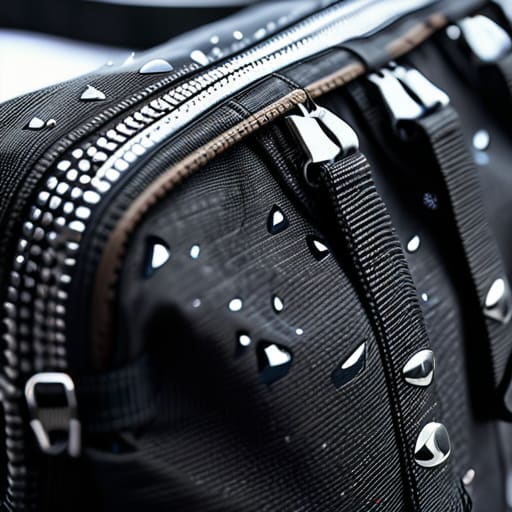
I’ve spent enough mornings standing under a leaking awning, watching a client’s expression shift from excitement to “why did I hire you?” because I looked like a drowned rat. When you’re looking at weatherproof camera bag materials, ignore the marketing jargon about “extreme adventure” and look at the zippers. If those teeth aren’t coated or sealed, a sudden coastal mist or a spilled latte in a crowded café will find its way straight to your sensor. You want heavy-duty nylon or a treated canvas that beads water; something that can handle a real downpour without turning into a sponge that doubles your load.
It’s not just about keeping the rain out, though. It’s about the grit. Dust from a construction site or sand from a beach shoot can migrate into your most expensive glass if your bag doesn’t have a solid, tight seal. I always look for reinforced base materials that can be wiped down with a damp cloth at the end of a long day. If your bag absorbs the mess of the environment, you aren’t just carrying gear; you’re carrying a liability.
The Weight of the Day Mastering Weight Distribution for Photographers
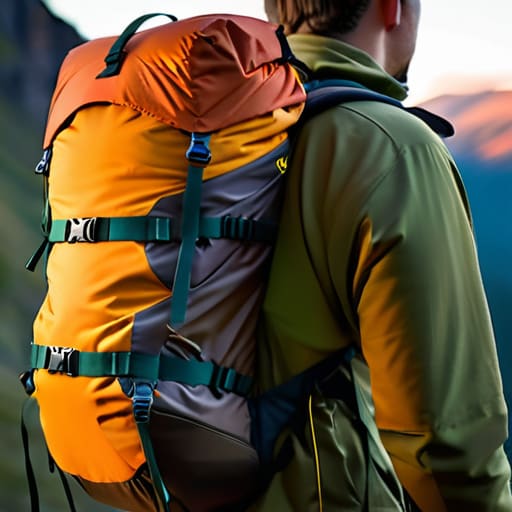
If you’ve ever spent four hours chasing a sunset only to realize your lower back is screaming at you, you know that a bag’s capacity is a lie. It doesn’t matter if it fits three bodies and a lighting kit if the physics of the carry are broken. When I’m looking at a new bag, I’m not looking at the volume; I’m looking at the harness. You need ergonomic photography backpack features like thick, contoured shoulder straps and, more importantly, a padded hip belt. If the weight isn’t sitting on your pelvis, it’s sitting on your spine, and that’s a recipe for a ruined shoot by noon.
I’ve learned the hard way that a “balanced” bag means keeping the heaviest items—usually your primary body and the heaviest prime lens—as close to your back as possible. If you let your gear sag toward the bottom of the bag, you’re essentially carrying a pendulum that will throw you off balance the moment you step onto uneven ground. Proper weight distribution for photographers isn’t just about comfort; it’s about being able to move quickly when the light finally decides to show up.
Protecting the Only Things That Matter Padding for Lens Protection
I’ve seen too many expensive lenses end up with “character marks” because someone thought a thin layer of foam was enough to stop a heavy body from crushing a glass element. When you’re looking at a bag, don’t just feel for softness; look for density. You want dividers that are thick enough to create actual physical separation between your bodies and your glass. If you can press your thumb through the padding and feel the hard edge of a lens barrel immediately, that bag is a liability.
Real padding for lens protection isn’t just about the sponge inside the dividers; it’s about how those dividers interact with the bag’s structure. I prefer a system where the dividers are stiff enough to stand up on their own, creating little compartments that keep gear from shifting when you pivot or turn a corner. If you’re moving between locations, you don’t want your 50mm sliding into your 85mm every time you hit a curb. You need structural integrity, not just fluff.
Fighting the Clock Essential Quick Access Camera Pouches
There is a specific kind of panic that sets in when a client finally hits their stride—the lighting is perfect, the subject has stopped fidgeting with their hands, and suddenly you realize you left your primary prime lens buried at the bottom of your main compartment. You spend thirty seconds digging through layers of cloth and cables, and by the time you find it, the magic has evaporated. This is why I’m obsessed with quick access camera pouches. They aren’t just extra pockets; they are your insurance policy against losing the moment.
I stopped using one massive, cavernous bag years ago. Now, I treat my setup like a tiered system. I keep my essentials—the body I use 90% of the time and my most trusted lens—in a dedicated, top-loading pouch that I can reach without even setting the bag down. When you’re balancing a reflector in one hand and a client’s coffee in the other, you don’t have the luxury of unzipping the world. Good camera gear organization tips usually involve thinking about the next ten seconds, not the next ten hours. If you have to think about where a piece of kit is, you’ve already lost the shot.
The Human Element Essential Ergonomic Photography Backpack Features
You can have the best padding for lens protection in the world, but if the straps are digging into your collarbones by 2:00 PM, you’re going to be a miserable photographer. And a miserable photographer makes bad decisions. I’ve seen it too many times: someone pushes through a shoot with a mounting headache because their bag was essentially a heavy, unyielding brick strapped to their spine. When looking for ergonomic photography backpack features, look past the marketing fluff and check the harness. You want wide, contoured shoulder straps and, more importantly, a load-bearing hip belt that actually sits on your iliac crest. If the weight isn’t being transferred to your hips, it’s all sitting on your lower back, and that’s a recipe for a ruined afternoon.
The back panel is just as vital. It shouldn’t just be a flat piece of foam; it needs airflow. I’ve spent too many summer weddings with a sweat-soaked shirt because my bag acted like a literal sponge for my body heat. Look for channeled padding that creates a gap between your spine and the bag. It’s a small detail, but it’s the difference between feeling professional and feeling like you’re carrying a portable sauna.
The Small Stuff That Actually Breaks Your Day
- Test the zippers before you buy. If you’re standing in a drafty studio or a damp garden and the zip catches on the lining for the tenth time, you’ll feel it in your chest. You want heavy-duty, smooth-gliding metal, not the flimsy plastic stuff that feels like it’ll snap if you’re in a hurry.
- Check the “empty space” reality. A bag might look perfect in a studio photo, but once you put in your body, two primes, a flash, and your extra batteries, does it become a black hole? If you can’t see what’s at the bottom without dumping everything onto a client’s clean floor, it’s the wrong bag.
- Look for pockets that aren’t just for show. I don’t care about ten tiny mesh slots; I care about one deep, secure pocket where I can shove my lens cloth, a spare battery, and my keys without them turning into a tangled mess at the bottom of the main compartment.
- Don’t ignore the “non-camera” volume. If your bag only fits glass and sensors, you’re going to end up carrying your notebook, your wallet, and your lunch in your hands. Find something that has a dedicated, separate space for your life that isn’t your gear.
- Consider the “client eye” factor. If you’re shooting a corporate team or a wedding, you don’t necessarily want to look like you’re about to scale Everest. Pick something that looks professional enough to sit on a table during a shoot without making the room feel like a construction site.
## The Real Test of a Bag
A camera bag isn’t a trophy case for your glass; it’s a mobile command center. If you’re spending your shoot digging through a dark, bottomless pit for a battery while your subject starts checking their watch, the bag has already failed you.
Iwona Krawczyk
The Bag is Not the Art
At the end of the day, choosing a bag isn’t about finding the most expensive piece of nylon on the market; it’s about minimizing the friction between your brain and the shot. You need to account for the weight that will eventually crush your shoulders, the weather that will inevitably ruin your mood, and the sheer, frantic need to grab a lens before a client’s window of cooperation slams shut. If you prioritize ergonomics and quick access over brand prestige, you’re already ahead of most of the people I see walking around studios. A good bag should be a silent partner—something that holds your gear securely and stays out of your way so you can actually focus on the person sitting in your chair.
Don’t get caught up in the gear-lust trap of thinking a new bag will somehow make you a better photographer. It won’t. But a bag that fails you—one that’s too heavy, too slow, or too flimsy—will absolutely make you a more frustrated one. Buy the bag that handles the chaos of the real world, the one that survives the spilled coffee and the frantic dash to a wedding venue. Once you stop worrying about whether your gear is safe or whether your back is going to give out, you can finally start worrying about the only thing that actually matters: the light.