
I once spent forty minutes in a cramped studio, sweating under a heavy key light, trying to figure out why my subject looked like they were floating in a void instead of sitting in a chair. I kept adjusting the power, tweaking the distance, and cursing my expensive prime lens, convinced the gear was failing me. The truth? I hadn’t even considered how to use a grid to stop that light from spilling everywhere and hitting the back wall. We’re taught that more light is better, but in a real room with real limitations, uncontrolled light is just noise.
I’m not here to give you a lecture on the mathematical geometry of composition or some theoretical nonsense you’ll find in a textbook. I want to talk about the practical, slightly messy reality of controlling your light so it actually does what you want it to do. This is about the specific distance you need to stand from your subject and the exact way a grid can save a shoot when the room is working against you. I’ll show you how to stop fighting your environment and start commanding the frame instead.
The Problem Isnt the Lens Its the Lack of Spatial Organization
I’ve spent enough time on sets to know that when a frame feels “off,” the instinct is to reach for a prime lens or a different focal length. But usually, the lens is fine; it’s the chaos of the room that’s killing the shot. If your subject is drifting toward the edge of the frame or if the background elements are competing for attention, you aren’t facing an optical issue—you’re facing a lack of spatial organization with grids. Without a mental or digital framework to anchor your eyes, you’re just guessing where things belong, and in a studio, guessing is how you waste forty minutes of a client’s time.
Think of it like setting up a stage. You wouldn’t throw furniture into a room and hope it looks intentional. You need to understand grid alignment techniques to dictate exactly where the weight of the image sits. When I’m shooting a corporate team, I’m not just looking at faces; I’m looking at the empty space between them. If you don’t establish a sense of order early on, the composition will always feel like it’s leaking out of the edges. Stop blaming the glass and start mapping the space.
Mastering How to Use a Grid Without Losing the Soul

The danger of getting too comfortable with a grid is that you start shooting like a math equation rather than a human being. I’ve seen plenty of beginners treat grid alignment techniques like a set of handcuffs, pinning every subject’s eyes or chin exactly onto an intersection point. It looks “correct” on paper, but it feels sterile and dead on screen. If you follow the rules too rigidly, you lose the very thing people are paying you for: the person in front of the lens.
The trick is to use the grid as a way to understand the weight of the frame, not as a cage. Think of it as a way to manage spatial organization with grids so you can intentionally break the rules when it matters. If a client is leaning in, slightly off-center might create a sense of intimacy that a perfect mathematical center would kill. Use the lines to find your balance, then step away from them to find the mood. You want the viewer to feel the composition, not realize you were following a map.
Coordinate System Basics Navigating the Chaos of the Room
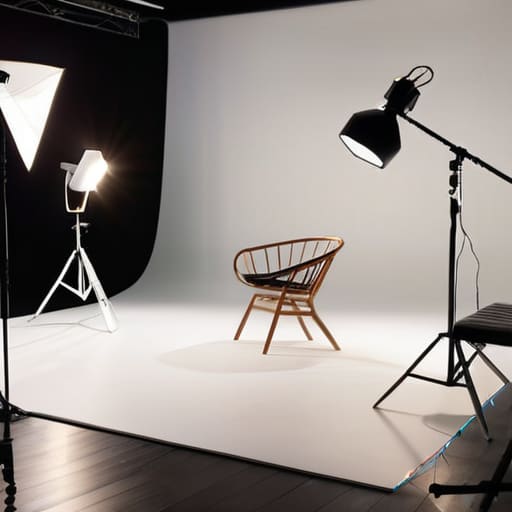
When I first started assisting, I thought a grid was just something you toggled on in your viewfinder to help with the rule of thirds. I was wrong. In a real studio, you need to think about coordinate system basics long before you even touch the shutter button. You aren’t just aligning eyes with a line; you are mapping the relationship between the subject’s shoulder, the edge of a light modifier, and the physical boundaries of the room. If you don’t establish a mental map of where your elements sit in relation to one another, you’ll spend the whole session chasing the frame instead of directing the person in front of you.
I treat the floor and the wall like a graph. If I know my subject is sitting exactly two feet from the background and three feet from my key light, I’ve already won half the battle. This kind of spatial organization with grids allows you to predict how a shift in posture will affect the composition. It stops the frantic “move left, move right” dance that kills the mood of a portrait session. Stop treating the frame as a flat window and start treating it as a three-dimensional coordinate system.
Grid Layout Principles for When Everything Goes Wrong
When the client shows up late, the light is dying, and you realize the subject is standing three feet too far to the left of your intended center, you don’t panic—you lean on your grid layout principles. I’ve been in rooms where the architecture is fighting you, with windows positioned in ways that make a clean setup feel impossible. In those moments, I stop eyeballing the frame and start treating the floor and the wall like a map. If you can’t find a natural balance, use the grid to force a sense of order.
This is where your grid alignment techniques actually save your skin. Instead of wandering around the studio trying to find “the spot,” I use the intersection of my floor markings and the vertical lines of the room to anchor the subject. It’s about creating a predictable structure in an unpredictable environment. Even if the subject is fidgeting or the shadows are creeping in, having a mental—or physical—grid means you aren’t guessing where the composition breaks; you’re actively deciding where it holds.
Grid Alignment Techniques to Fix a Wayward Subject
When a subject starts fidgeting or tilting their head in a way that feels “off,” your instinct is to move them. Don’t. Moving a person in a cramped studio is a recipe for a headache and a lost light setup. Instead, lean into your grid alignment techniques to compensate for their lack of stillness. If they’re leaning too far left, don’t fight the body; shift your frame. Use the intersection points of your grid to anchor their eyes, even if their shoulders are drifting into a messy diagonal. It’s about finding the mathematical center of a chaotic moment and deciding which part of the frame is worth saving.
Sometimes, the subject isn’t the problem—it’s their scale within the shot. If you realize mid-shoot that you’ve framed them too tight or left too much dead air, you need to rely on spatial organization with grids to recalibrate. I’ve spent many sessions realizing that a client’s “nervous energy” is actually just a mismatch between their physical presence and the composition. Use the grid to re-establish a sense of weight and balance, ensuring that even if they feel unmoored, the image itself feels intentional and grounded.
Using Grids for Scaling Beyond the Frames Limitations
When you stop viewing the grid as a cage for your composition and start seeing it as a map for the entire environment, that’s when things get interesting. Most people think a grid is just about where the eyes sit in a 3:2 frame, but I’ve learned that using grids for scaling is actually about managing the relationship between the subject and the physical boundaries of the room. If you’re shooting a corporate team in a cramped office, you aren’t just composing a shot; you are negotiating space. You have to extend your mental grid beyond the sensor to account for the light falling from a window three meters away or the way a subject’s shoulder might clip the edge of the frame if they lean back just an inch too far.
It’s about spatial organization with grids that works in three dimensions. I often find myself mentally projecting a grid onto the floor to manage distance, ensuring that as I move from a tight headshot to a medium waist-up, the geometry of the scene remains stable. If your grid structure design is too rigid, you’ll fight the room; if it’s too loose, you’ll end up with a messy, unintentional tilt that makes the client look like they’re sliding out of the shot.
Five Ways to Stop Fighting the Frame and Start Using the Grid
- Stop treating the grid like a cage. If you’re shooting a corporate team and the subject is leaning slightly off-center because they’re trying to hide a nervous habit with their hands, don’t force them into a mathematical center. Use the vertical grid line to anchor their eye, even if their torso is drifting. The grid is a guide, not a law.
- Use the grid to manage your light, not just your subjects. If you’re working in a cramped studio with a single softbox, use your mental grid to map out where the light falls off. If the light dies at the third intersection of your grid, you know exactly where your subject’s shoulder is going to disappear into the shadows.
- Watch the horizon line of the room, not just the camera’s grid. I’ve seen so many decent portraits ruined because the subject’s eyes were level in the frame, but the floor or a nearby shelf was tilting at a five-degree angle. Align your grid to the room’s architecture first, then place the person. It stops the image from feeling “drunk.”
- When you’re moving from stills to short-form video, the grid becomes your safety net for movement. If your subject is pacing or gesturing, use the grid to set your “safe zones.” You don’t want to realize mid-roll that they’ve wandered into the edge of the frame because you were too busy looking at the exposure.
- Use the rule of thirds as a fallback, not a crutch. When a shoot is going sideways—the client is late, the light is changing, and you’re losing time—don’t overthink the composition. Find a strong vertical grid line, place the subject’s dominant eye on an intersection, and move on. Getting a clean, readable shot is better than chasing a perfect composition while the clock runs out.
Stop Blaming the Gear
A grid isn’t some rigid cage for your creativity; it’s a map for when the room starts fighting you. If your composition feels messy, don’t go out and buy a more expensive lens—use the grid to stop guessing where the weight of the frame sits and start actually controlling it.
Iwona Krawczyk
The Grid is a Tool, Not a Cage
At the end of the day, using a grid isn’t about becoming a slave to lines or turning your art into a math equation. It’s about building a scaffold so that when the lighting shifts, the client starts fidgeting, or the room feels too small, you aren’t scrambling to find your footing. We’ve covered how to organize the chaos of a physical space, how to align a wayward subject without making them feel like a specimen, and how to scale your vision when the frame feels suffocating. If you can master these spatial basics, you stop fighting the environment and start actually directing the scene. Use the grid to find your center, but don’t let it become the reason you stop looking at the person in front of you.
My advice? Learn the rules of the grid so thoroughly that you eventually forget they exist. The goal isn’t to produce a perfectly centered, mathematically “correct” image every single time; the goal is to have the technical control to break the rules intentionally. When you know exactly where the lines are, you know exactly how much power you have to ignore them for the sake of a mood or a moment. Go out there, get messy, and remember: the grid is just there to make sure that when you finally decide to be spontaneous, you aren’t doing it by accident.
