
I once spent three hours in a professional kitchen trying to figure out how to photograph a chef in a kitchen, only to realize the problem wasn’t my lighting setup or my aperture. It was the fact that the stove was a literal furnace, the prep cook was accidentally bumping my tripod every time he reached for a whisk, and the chef himself was staring at me like I was an intruder in his sanctuary. Most tutorials will tell you to grab a high-end prime lens and a massive softbox, but they never mention that heat, steam, and narrow hallways are the real variables you’re actually fighting.
I’m not here to talk about gear or the “perfect” settings you can find in a textbook. This is about the messy, sweaty reality of working in a space that wasn’t designed for a camera crew. I want to show you how to navigate the cramped corners, manage the erratic light from a pass-through window, and keep your subject from freezing up when the dinner rush starts looming. We’re going to focus on the practical compromises you have to make when the environment refuses to cooperate, because that is where the real work happens.
Understanding How to Photograph a Chef in a Kitchen
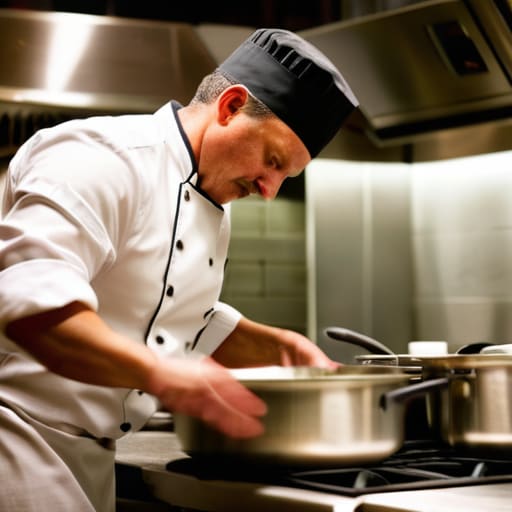
Before you even touch your settings, you need to accept that you are entering a battlefield. A working kitchen isn’t a controlled studio; it’s a high-heat, high-speed environment where the floor is slippery and the light is usually terrible. If you try to force a rigid, staged setup, you’ll end up with a chef who looks like they’re posing for a school photo rather than working. I’ve learned that the best way to approach this is through documentary style culinary photography. You aren’t there to interrupt the flow; you’re there to witness it. This means staying out of the way, watching the rhythm of the line, and knowing exactly when to step in for those fleeting moments of intensity.
The real magic happens when you stop trying to control everything and start reacting to the chaos. You’ll find that the most compelling images come from the friction—the heat, the sweat, and the frantic energy. I always look for opportunities for capturing steam and smoke rising from a pan, because that’s where the soul of the dish lives. It’s not about a perfect, static portrait; it’s about the movement. You have to be ready to pivot from a quiet moment of concentration to a sudden burst of activity, all while making sure you don’t trip over a prep station.
Key Things to Know
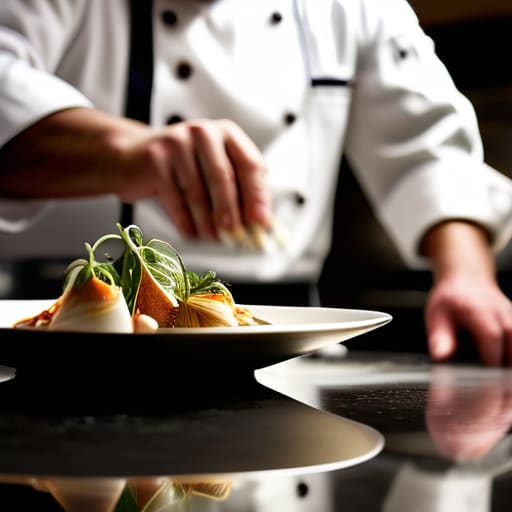
First, let’s talk about the physics of the room. A professional kitchen is a hostile environment for gear and a nightmare for light consistency. You aren’t going to find a clean, even wash of light between the stainless steel surfaces and the heat. Instead of fighting the shadows, lean into them. I usually aim for a documentary style culinary photography approach here, using the existing ambient light supplemented by a single, controlled source to create depth. If you try to bring in a massive five-point lighting rig, you’ll just get in the chef’s way and end up with a dozen distracting reflections on the backsplash.
Second, you have to manage the kinetic energy. If you want those high-impact action shots of cooking, you need to be decisive with your settings before the pan even hits the flame. Don’t get caught fiddling with your ISO while the sauce is emulsifying. I keep my shutter speed high enough to freeze the droplets, but I’m always watching for the subtle textures of steam and smoke rising from the plate. That’s where the soul of the image lives, and if you miss that window, you’re just left with a portrait of a person standing next to a piece of meat.
Practical Tips and Steps
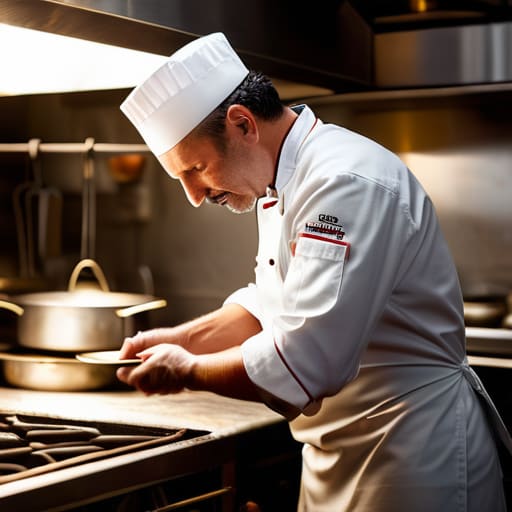
First, let’s talk about the light. Forget those massive softboxes you see in studio catalogs; they’ll just turn a working kitchen into a sterile, white box. You want to lean into documentary style culinary photography by using what’s already there. If there’s a window, use it. If there’s a harsh overhead fluorescent, try to find an angle where it doesn’t create a greasy glare on the chef’s forehead. I usually bring one small LED panel just to kick a bit of light into the shadows, but the goal is to make it look like the light belongs to the room, not the camera.
When things get moving, don’t get in the way. If you want those frantic, beautiful action shots of cooking, you need to be ready with a fast shutter speed—at least 1/500th if they’re tossing something in a pan—to freeze the motion without it turning into a blurry mess. And for heaven’s sake, keep an eye on the steam. If you catch the heat rising off a pan, try to back-light it slightly. It’s the easiest way to add depth and texture to a shot that otherwise feels flat.
Common Mistakes to Avoid
The biggest mistake I see—and I’ve seen it in my own early work—is trying to fight the environment instead of working with it. People often walk into a professional kitchen with these rigid, overly polished professional kitchen lighting setups that look like they belong in a sterile lab, not a working restaurant. When you bring in massive softboxes and tripods, you’re essentially telling the chef to stop working and start posing. You lose the soul of the place. If you’re aiming for documentary style culinary photography, you have to accept that the light might be messy, the shadows might be deep, and you’ll likely be working around a heat lamp or a flickering fluorescent bulb.
Another trap is the “frozen moment” fallacy. I’ve watched photographers get so obsessed with a clean frame that they miss the actual energy. They forget that if they want those kinetic action shots of cooking, they need to actually move with the subject. If you’re too precious about your gear, you’ll end up with a series of static, lifeless portraits that feel like a high school yearbook. Don’t be afraid of a little chaos; the magic is usually in the motion, not the stillness.
Final Thoughts
At the end of the day, don’t get so caught up in your gear list that you forget there is a human being behind that prep station. You can spend hours obsessing over professional kitchen lighting setups, trying to fight the overhead fluorescents, but if you haven’t built a rapport with the chef, the photos will feel sterile. My best work usually happens when I stop looking through the viewfinder and just watch. I wait for that moment when they stop performing for the camera and actually start working.
Whether you are aiming for high-speed action shots of cooking or something more quiet and contemplative, remember that the mess is often where the story lives. A perfectly clean workstation is a lie; a dusting of flour or a plume of steam adds the texture that makes the image breathe. If you lean into a more documentary style culinary photography approach, you’ll find that the real magic isn’t in the perfection, but in the controlled chaos of the service. Just keep your eyes open, keep your shutter speed ready, and try not to get in the way of the line.
Five things that actually matter when the stove is on
- Watch the steam, not just the plate. A hot pan creates a cloud of vapor that can turn your crisp portrait into a foggy mess in seconds. I usually wait for the peak of the steam or use a slightly faster shutter speed than I’d like, but honestly, I just tell the chef to time the “action” so I’m not fighting a localized weather system.
- Manage the “hand fidget.” Since I always ask people what they do with their hands when they’re nervous, I usually find out they want to grip a knife too tight or wipe their palms on their apron. Give them a real task—crushing garlic, dusting flour, or even just holding a heavy copper pot. Movement gives them a job, and a job stops the shaking.
- Lighting is a battle against the overheads. Kitchens are notorious for those hideous, flickering fluorescent tubes that make skin look grey and sickly. If you can, turn them off and bring in one single large softbox or a diffused LED panel positioned about 45 degrees from the chef. You want to compete with the kitchen’s light, not try to neutralize it entirely.
- Mind the “clutter threshold.” There is a fine line between a “working kitchen” and a “disaster zone.” If there are half-empty sauce bottles and dirty rags in the frame, it looks accidental rather than authentic. I always spend five minutes doing a sweep—moving the ugly sponge or the stack of mismatched Tupperware—before I even think about hitting the shutter.
- Respect the heat and the pace. If you’re shooting during a service, you aren’t the boss; the ticket rail is. Don’t ask for a “re-do” on a pose if the chef is sweating through their whites and the orders are piling up. Work in the gaps, keep your gear tucked away so you aren’t a trip hazard, and be ready to move fast when the window opens.
The Reality of the Kitchen
Stop obsessing over your aperture settings and start looking at the steam, the grease on the backsplash, and the way your chef is clutching their towel like a lifeline; you aren’t there to take a picture of a person, you’re there to document a controlled explosion.
Iwona Krawczyk
The Final Prep
At the end of the day, photographing a chef isn’t about mastering the exposure compensation on your Sony or knowing which prime lens is the sharpest. It’s about managing the heat, the steam, and the frantic energy of a kitchen that doesn’t care about your lighting setup. You have to balance the technical reality of fighting harsh overhead fluorescents with the human reality of a client who is more worried about their soufflé than their chin angle. Remember to watch the hands, keep your modifiers tight so you aren’t tripping over cables in a narrow galley, and always, always prioritize the movement over a static, sterile pose. If you can manage the chaos of the environment, the images will follow.
When you finally pack your gear and head home, don’t obsess over whether you caught the perfect grain or the exact highlight roll-off. The best shots are usually the ones where you stopped worrying about the gear and started paying attention to the person. A chef is at their best when they are lost in the rhythm of the work, and your job is simply to be the quiet observer who was prepared enough to catch it. Photography is mostly just showing up, staying out of the way, and knowing when to press the shutter when the real magic happens in the mess.
