
Stop looking for the perfect camera setup or a revolutionary lighting kit to solve your creative block. If you think buying a new lens is the secret to how to build a portrait series over a year, you’re chasing a ghost. I spent eight years assisting pros who had every gadget imaginable, and half the time, they were still struggling because they didn’t have a plan for the human element. A year-long project isn’t a technical marathon; it’s a logistical and emotional grind that involves managing your own waning motivation and the inevitable chaos of subjects who show up late or decide they hate their own faces halfway through the session.
I’m not here to give you a curated, Instagram-ready roadmap that ignores the messy reality of long-term work. Instead, I want to talk about the unsexy stuff: how to maintain a consistent visual language when your studio space changes, how to keep a thread of connection between subjects you met months apart, and how to actually finish what you start. This is a notebook on the practicalities of staying disciplined when the initial excitement wears off and the mid-project slump hits.
Understanding How to Build a Portrait Series Over a Year
The mistake most people make is thinking a series is just a collection of “good shots” that happen to feature similar people. It isn’t. If you want to avoid ending up with a messy folder of disconnected files, you have to start with long-term photography project planning that accounts for the reality of your life. You aren’t just taking pictures; you are developing a visual narrative that needs a spine. Before you even pick up a camera, decide what the common thread is. Is it the way light hits a specific type of skin? Is it the way people hold themselves in cramped apartments? If you don’t define the boundary early, the project will bleed into everything else and eventually lose its shape.
The real struggle isn’t the concept, though—it’s maintaining creative momentum when the initial excitement wears off in month three. There will be weeks where you feel like you’ve run out of things to say, or where a subject makes you feel like you’ve forgotten how to frame a shot. This is where the discipline of the workflow matters more than the inspiration. You need a system for shooting, sorting, and even rejecting images, so that by the time you reach month twelve, you aren’t staring at a mountain of junk, but a cohesive story.
Key Things to Know

First, let’s talk about the logistics of not quitting. Most people start a project with a burst of inspiration and then realize three months in that they haven’t actually booked a single sitter. Successful long-term photography project planning isn’t about having a profound philosophical breakthrough every Tuesday; it’s about the boring stuff, like having a reliable list of subjects and a way to track them. If you don’t have a system for your files and your calendar, the project will die under the weight of its own clutter before you even reach the six-month mark.
Second, you have to decide early on how much control you actually want. Are you trying to impose a specific look, or are you letting the subjects dictate the mood? This is where developing a visual narrative becomes tricky. You might start with a strict lighting setup—say, a single 5-foot octa with a grid—only to realize by month four that the story you’re telling requires more grit and less polish. You need to leave enough room for the project to breathe and evolve, otherwise, you aren’t building a series; you’re just making a collection of very similar, very stagnant photos.
Practical Tips and Steps
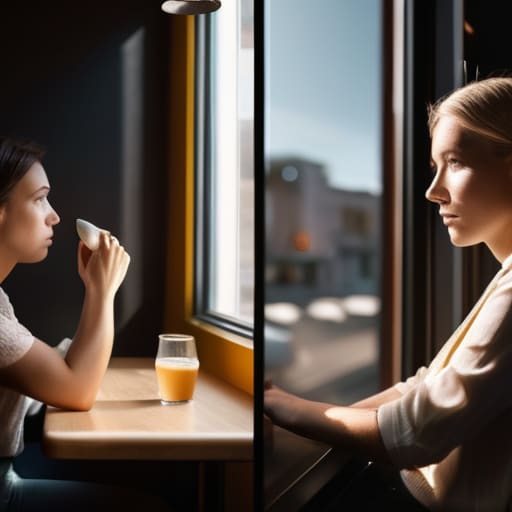
First, stop trying to find the “perfect” subject and start finding a consistent way to see them. When I’m developing a visual narrative over several months, I don’t look for a single dramatic moment; I look for a thread that can tie a stranger in a cafe to a colleague in a studio. This usually means deciding on a single constant—maybe it’s the same 50mm lens, a specific way you use a single softbox, or even just the same height of the tripod. If you change your lighting setup every single week, you aren’t building a series; you’re just making a collection of unrelated files that will be a nightmare to sort through later.
Second, you have to protect your energy. The biggest killer of maintaining creative momentum isn’t a lack of talent; it’s the sheer exhaustion of trying to be profound every Tuesday at 10:00 AM. Some weeks, the light in the room is garbage or your subject is too distracted to cooperate. On those days, don’t force a masterpiece. Just show up, do the work, and keep the portrait photography workflow moving. It is much easier to curate a cohesive body of work from a hundred honest, “okay” portraits than it is to try and stitch together five “perfect” ones that don’t actually speak to each other.
Common Mistakes to Avoid
The biggest mistake I see is people trying to shoot a year-long project like it’s a single session. They walk in with a rigid vision, get one person who doesn’t fit the vibe, and suddenly the whole thing feels like a failure. You have to allow for the mess. If you try to force a strict portrait photography workflow that doesn’t account for the fact that people change or that your mood shifts in month six, you’ll burn out by month three. Don’t mistake a lack of immediate cohesion for a lack of progress; sometimes the “mistakes” are actually the most honest parts of the work.
Another trap is getting bogged down in the technical perfection of every single frame. I’ve seen photographers spend months obsessing over lighting setups only to realize they’ve completely lost the thread of developing a visual narrative. They have fifty beautiful, technically flawless portraits that have absolutely nothing to say to each other. You aren’t just collecting high-quality files; you are curating a photographic body of work. If the soul of the project is getting buried under a mountain of gear talk and lighting tweaks, stop. Put the camera down and ask yourself why you’re even doing this.
Final Thoughts
At the end of the day, a year-long project isn’t about the technical perfection of a single frame; it’s about the grit required for maintaining creative momentum when the initial excitement wears off and the weather turns gray. You will hit walls. You will have weeks where you look at your files and see nothing but mistakes. That is part of the process. The goal isn’t to avoid the mess, but to keep showing up to the studio or the street until the patterns start to emerge from the noise.
Eventually, the work stops being a collection of individual sittings and starts feeling like something cohesive. That shift happens during the stage of curating a photographic body of work, where you stop looking at what is “pretty” and start looking at what is true to your original intent. Don’t be afraid to kill your darlings if they don’t serve the narrative. If a portrait is technically flawless but feels like a lie, leave it on the hard drive. Trust the slow build; the story is usually hiding in the stuff you almost discarded.
Five ways to stop your series from becoming a mess
- Pick a visual anchor that isn’t a camera setting. Don’t tell yourself you’ll shoot everything at f/2.8; that’s easy to forget when the light changes or you’re rushing. Pick something harder to fake, like a specific distance from the lens or a consistent way you use a single reflector, so the images actually look like they belong to the same family.
- Build in a “buffer” month. You will get sick, your client will flake, or you’ll spend three weeks staring at a wall because you’ve lost the thread. If you plan for twelve shoots and only have the energy for nine, your series is dead. Plan for nine, and let the other three be your safety net.
- Stop chasing the “perfect” subject. In a year-long project, you’ll eventually hit a person who is impossible to work with—someone who won’t stop fidgeting or refuses to look at the lens. Don’t scrap the session. Use the tension. The best series often come from the friction of working with people who don’t fit your initial vision.
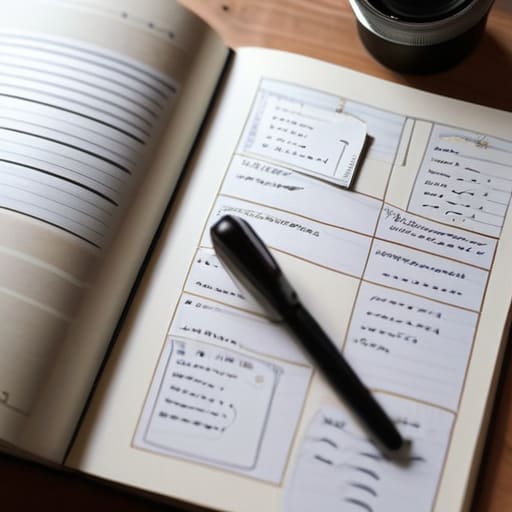
- Document the “why” as you go, not just the “how.” By month seven, you’ll have forgotten why you chose that specific shadow pattern in month one. Keep a messy notebook of the compromises you made—the light that failed, the modifier you swapped out last minute. It’ll save you when you’re trying to tie the whole thing together at the end.
- Accept that the first three months will probably suck. You’re going to spend the first quarter just figuring out your own rhythm and realizing your initial concept was too precious or too complicated. Let the early shots be the “bad” ones that teach you what the series actually wants to be.
The Long Game
A year-long series isn’t a technical challenge of matching focal lengths or color profiles; it’s a test of whether you can keep showing up when the initial spark dies and you’re left staring at a pile of half-finished files and a subject who’s forgotten why they even agreed to sit in your chair.
Iwona Krawczyk
The Long Game
At the end of the day, building a series isn’t about finding the perfect lens or mastering a new lighting modifier; it’s about the stamina to keep showing up when the initial excitement wears off. You’ve learned that the real work lies in managing the logistics, keeping your visual language consistent through the chaos of changing schedules, and—most importantly—learning how to handle the human being sitting in front of you. Whether you’re struggling with a subject who won’t stop fidgeting or a month where you can’t find the time to even clean your sensors, remember that the friction is part of the process. A year of portraits is a year of navigating variables, and those variables are exactly what will eventually give your work its soul.
Don’t wait until you feel “ready” or until you have a perfectly curated studio setup to start. If you wait for the perfect conditions, you’ll just end up with a folder full of half-baked ideas and a lot of gear gathering dust. Start with what you have, even if it’s just one light and a messy living room, and just keep documenting the reality of what you see. A year from now, you won’t care about the technical hiccups or the days the light failed you; you’ll care about the story you managed to pull out of the noise. Now, go find someone to shoot.
