
I once spent forty minutes trying to coach an author through a portrait session where he’d insisted on bringing this massive, leather-bound antique ledger to “set the scene.” By the time we actually started shooting, the man had vanished behind the object; he wasn’t a writer anymore, he was just a guy awkwardly clutching a heavy book. It’s the classic mistake—thinking that adding “character” via an object is a shortcut to a good portrait. Most people don’t realize that learning how to use a prop without it taking over is actually about managing the visual weight of the room, not just finding a cool item to hold.
I’m not here to give you a list of aesthetic items to buy from a lifestyle catalog. Instead, I want to talk about the friction between the person and the object. I’ll be sharing the practical, slightly messy reality of how to integrate things into a frame so they support the subject rather than competing for the viewer’s attention. We’ll look at scale, grip, and why sometimes the best prop is the one you almost didn’t use.
The Object Is Not the Hero How to Use a Prop Without It Taking Over
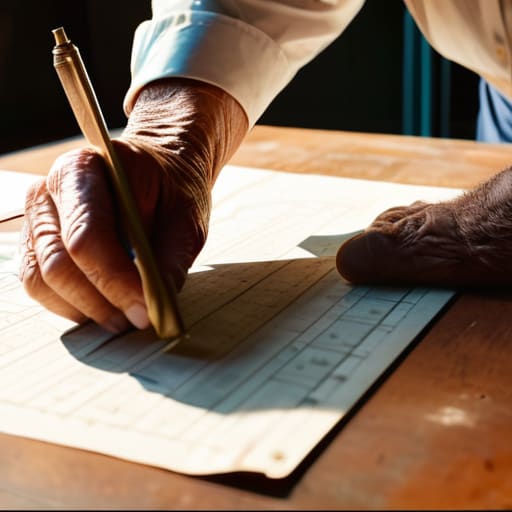
The biggest mistake I see is treating a prop like a trophy. If you hand a subject a vintage camera or a heavy book and they just clutch it to their chest like a shield, you haven’t captured a person; you’ve captured a person holding a thing. To avoid this, you need to focus on character-driven prop usage. The object should feel like an extension of their routine, not a costume piece. If they’re an architect, I don’t want them posing with a scale ruler like it’s a magic wand; I want them leaning over a blueprint, perhaps with the ruler tucked loosely under an arm or resting on the table.
You have to manage the visual weight of the item. If the prop is bright, textured, or oddly shaped, it will fight your subject for the viewer’s attention. This is where theatrical minimalism comes in handy. I usually tell my clients to keep the interaction subtle—a hand resting near a coffee mug, or a thumb tracing the edge of a notebook. If the prop requires too much conscious effort to hold, it kills their natural stage presence and turns the session into a pantomime.
The Battle for Attention Mastering Stage Presence and Props

The real struggle isn’t just the placement; it’s the energy in the room. I’ve seen so many shoots stall because the subject is treating a book or a coffee cup like a holy relic, staring at it instead of looking at me. When you’re working on stage presence and props, you have to remember that the object is there to support the person, not to act as a shield. If they are gripping a pen like their life depends on it, they aren’t performing; they’re hiding. You have to coach them to treat the item as an extension of their body, something they inhabit rather than something they are presenting.
This is where character-driven prop usage becomes your best friend. Instead of a static pose, I ask them to actually use the item in a way that feels lived-in. If it’s a painter, I don’t want them holding a brush like a trophy; I want them mid-stroke, perhaps with a smudge of charcoal on their thumb. We are looking for movement that feels accidental. The goal is to find that sweet spot where the object provides a sense of purpose without breaking the connection between the subject and the lens.
The Art of Visual Storytelling Techniques Through Quiet Objects
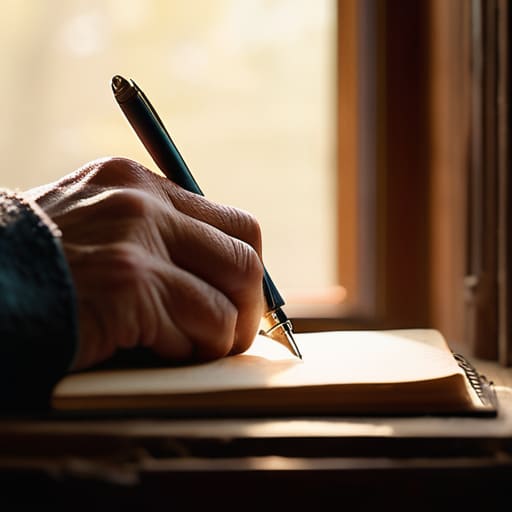
When I’m working on an author portrait, I’m rarely looking for a grand gesture. I’m looking for the small, quiet things that suggest a life lived. This is where character-driven prop usage becomes essential. If I’m shooting a writer, a heavy fountain pen or a specific, worn-out notebook isn’t just a tool; it’s a way to anchor them in their world. The trick is to treat the object as an extension of their nervous energy—something for them to hold, to turn, or to rest their chin against—rather than a trophy they are presenting to the lens.
You have to master the art of theatrical minimalism here. If you give a subject a massive, ornate globe, they’ll spend the whole session staring at the globe instead of looking at me. Instead, I’ll suggest something tactile and small, like a single smooth stone or a specific pair of spectacles. It’s about balancing props with acting so the object feels like a natural byproduct of their existence. If the prop feels like it was placed there five minutes before I hit the shutter, you’ve already lost the story.
Avoiding Prop Distraction When the Room Wins the Fight
Sometimes the distraction isn’t the object itself, but the environment it’s sitting in. I’ve been in studios where the client brings in a vintage typewriter, but they’ve also brought a massive, patterned velvet armchair and a floor lamp with a fringed shade. Suddenly, you aren’t shooting a writer; you’re shooting a furniture showroom. When you’re working on avoiding prop distraction, you have to be the one to police the perimeter. If the background is screaming, the prop will only add to the noise. I usually tell my subjects to ignore the clutter and focus on the tactile sensation of the object—the weight of a pen or the cool surface of a glass—to keep them grounded.
It’s a delicate dance of balancing props with acting. If the subject is fighting the object, it looks staged and awkward. I’ve seen people hold a book like it’s a live grenade because they’re too nervous to actually interact with it. My advice? If the prop feels like a shield they’re hiding behind, ditch it. The moment the object starts to dictate the pose rather than inform it, you’ve lost the human element.
Character Driven Prop Usage Letting the Subject Breathe
If you’ve ever watched a subject freeze up because you handed them a book or a coffee mug, you know the struggle. Suddenly, they aren’t a person anymore; they are a person holding a thing. This is where character-driven prop usage becomes a psychological tool rather than just a visual one. Instead of treating the object like a shield to hide behind, I try to treat it like an extension of their nervous energy. I tell them, “Don’t hold it like it’s a holy relic; just hold it like you’re actually about to drink it.” It’s about balancing props with acting so the movement feels accidental rather than choreographed.
The goal is to achieve a sense of theatrical minimalism. You want just enough texture to ground them in the space, but not so much that they look like they’re posing for a catalog. If they’re a writer, don’t give them a stack of pristine hardcovers; give them a single, dog-eared notebook with a pen that actually has ink in it. When the object feels lived-in, the subject stops performing and starts being. That is how you keep the focus on the eyes, not the hands.
Theatrical Minimalism Balancing Props With Acting and Intent
When things get too busy, I usually lean into theatrical minimalism. It’s less about what you add to the frame and more about the economy of movement. If you’ve got a subject holding a vintage typewriter or even just a heavy ceramic mug, they can’t just sit there like a mannequin; the object needs to feel like an extension of their nervous system. I’ve seen so many shoots stall because the person is terrified of the item in their hands, so they freeze. They end up looking like they’re posing with a hostage rather than interacting with a tool.
The trick to balancing props with acting is to give them a job to do that requires actual intent. If they’re a writer, don’t just have them hold a pen; have them feel the weight of it, or look at the ink stain on their thumb. You want to capture the micro-gestures—the way a finger traces the rim of a glass or the way they grip a book when they’re thinking. When the movement is purposeful, you stop worrying about the object being a distraction and start seeing it as part of their internal monologue.
Five Ways to Keep the Focus Where It Belongs
- Check the weight of the object before you even turn the lights on. If a client brings in a massive, ornate antique clock for a headshot, you’re already losing. A prop should be an accessory, not a heavy-lifter. If it’s physically larger than the subject’s hands or torso, it’s going to fight you for the frame.
- Watch the hands. I always ask people what they do with their hands when they’re nervous, and props are often the answer. But if they are white-knuckling a coffee mug or gripping a pen like it’s a life raft, the tension in the object will mirror the tension in their face. The prop needs to look lived-in, not held hostage.
- Mind the texture and the “shimmer” factor. I’ve seen so many shoots ruined because a subject brought a shiny, metallic prop that caught a stray bit of light from my key light and sent a flare straight into the lens. If it’s reflecting light, it’s competing with the eyes. Keep the textures matte if you want the eyes to do the heavy lifting.
- Use the “Squint Test.” Once you have the setup, step back and squint your eyes until the image blurs. If your eye jumps straight to the object instead of the person’s face, the prop is too loud. Move it closer to the body, tuck it slightly into a shadow, or just leave it in the gear bag.
- Don’t let the prop dictate the pose. I’ve seen assistants get so caught up in positioning a perfect book or a specific tool that they forget the human being is actually in the room. If the subject looks like they are posing around an object rather than existing with it, you’ve missed the mark. The prop is there to serve the person, not the other way around.
The Prop Paradox
If I’m looking at the object instead of the person, I’ve already lost the shot. A prop should be like a supporting actor in a play—it’s there to give the lead something to do with their hands or to hint at a life lived, but the second it starts demanding the spotlight, you might as well just go shoot a still life.
Iwona Krawczyk
The Final Check
At the end of the day, if you look at your preview and your eye immediately jumps to the vintage camera or the textured ceramic mug instead of the person’s eyes, you’ve lost the battle. We’ve talked about keeping the scale in check, managing the “stage presence” of the object, and making sure the prop serves the character rather than replacing them. It’s a fine line between adding texture and creating a distraction. Remember: the prop is there to provide a reason for the hands to exist or to hint at a life lived outside the frame, but it should never be the reason the viewer stays. If the object is doing more work than the subject, put it back in the equipment bag.
Photography is often sold as this grand pursuit of technical perfection, but my years assisting taught me that it’s actually about managing chaos and intention. When you bring a prop into a room, you are adding another variable to an already complicated equation of light, mood, and human nerves. Don’t be afraid to strip everything back if the shot feels cluttered. Sometimes the most powerful way to use a prop is to let it be a quiet, almost invisible part of the environment. Trust your gut, watch your subject, and remember that the person is always the point.
