
I remember a corporate gala three years ago where I spent forty minutes feeling like a total intruder. I was trying to capture a keynote speaker, but every time I moved to get a better angle, I felt the collective, heavy stare of the front row judging my every step. It’s that specific, sinking feeling in your gut when you realize you’ve become a human roadblock instead of a storyteller. Everyone tells you to buy a longer lens or a more expensive body to solve your problems, but that’s nonsense. The real challenge of how to photograph at an event without blocking it isn’t about your gear; it’s about your spatial awareness and how you navigate a room that wasn’t built with photographers in mind.
I’m not here to give you a lecture on focal lengths or sensor specs. Instead, I want to talk about the actual mechanics of movement: where to stand when the lighting is terrible, how to use the corners of the room to your advantage, and how to stay out of the way while still getting the shot. This is about the practical, unglamorous side of the job that no one mentions in photography school.
The Invisible Witness How to Photograph at an Event Without Blocking It
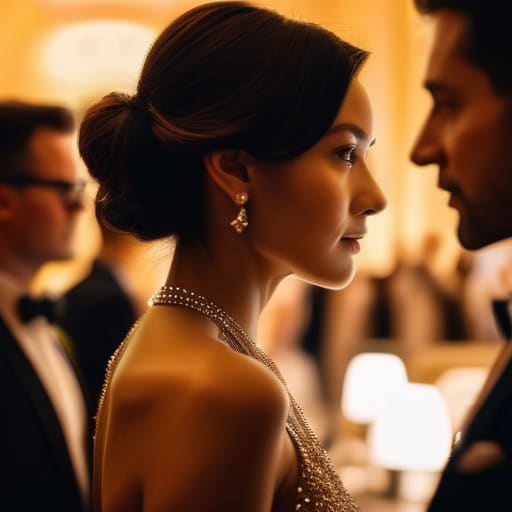
The first thing I tell my assistants is that your gear is a magnet for attention, and usually, that attention is unwanted. If you walk into a room with a massive flash bracket and a tripod, you’ve already failed. To master minimizing camera footprint, you have to learn to treat your kit like a secret. I usually opt for a single prime lens—something like a 35mm—and keep my flash tucked away or bounced off a ceiling that isn’t even there. If you’re constantly repositioning a heavy light stand, you aren’t capturing the moment; you’re interrupting it.
The real secret to unobtrusive photography methods isn’t just about the gear, though; it’s about your physical choreography. I spend a lot of time shooting from the sidelines, leaning against a pillar or tucked into a corner, rather than standing dead-center in the aisle. You want to find the gaps in the crowd, not create new ones. If you see a conversation happening, don’t march straight into the middle of it to get a “better angle.” Wait for the natural ebb of the room. You’re there to witness the energy, not to be the person everyone is looking at because you’re standing in the way of the buffet.
Minimizing Camera Footprint When the Room Is Already Too Small
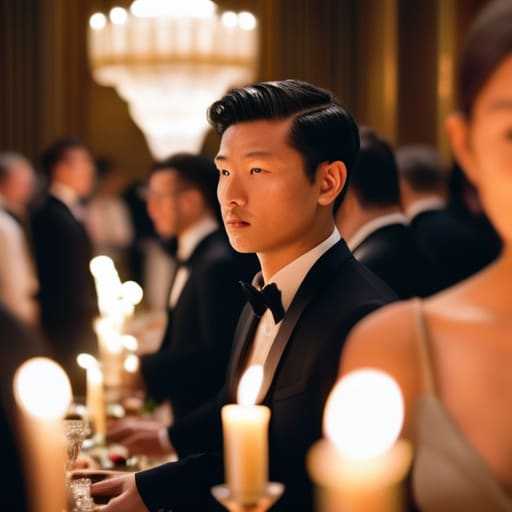
When the room is already too small, you aren’t just a photographer; you’re a piece of furniture that people keep tripping over. I’ve been in those cramped hotel conference rooms where the catering table is two inches from your elbow and the guests are packed in like sardines. In these moments, minimizing camera footprint isn’t a suggestion, it’s a survival tactic. If you’re lugging around a massive shoulder bag and a tripod, you’ve already lost. I ditch the heavy gear bag in the corner or the car and stick to a single body with one versatile zoom. If I can’t reach the shot without stepping into someone’s personal bubble, I don’t take it.
Instead of fighting for center stage, lean into shooting from the sidelines. I find that if I tuck myself into a corner or stand just behind a pillar, people eventually stop seeing me as an intruder and start seeing me as part of the atmosphere. This is where true candid event photography techniques come into play. You aren’t hunting for the shot; you are waiting for the shot to drift into your frame. It requires more patience and much better timing, but it keeps the energy of the room flowing instead of breaking it.
Mastering Candid Event Photography Techniques From the Shadows
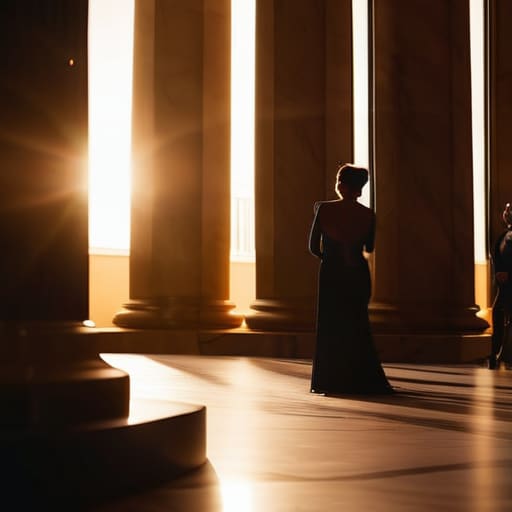
If you find yourself stuck in the middle of a dance floor or a crowded cocktail hour, stop. The best candid event photography techniques usually involve you being the person nobody actually notices. I’ve learned that if you’re constantly moving through the center of a group to get “the shot,” you aren’t a photographer; you’re a nuisance. Instead, lean into shooting from the sidelines. Find a corner, a pillar, or even a doorway. It’s much easier to frame a beautiful, unforced moment when you aren’t physically encroaching on someone’s personal bubble.
This is where your gear choice becomes a political statement. If I show up to a tight corporate mixer with a massive 70-200mm lens and a heavy shoulder rig, I’ve already lost the room. I prefer a single prime lens—something like a 35mm—that allows me to stay mobile and small. Part of my personal event photographer etiquette is knowing when to put the camera down entirely. Sometimes, the most professional way to capture the energy is to simply stand back, observe the flow, and wait for the moment to come to you, rather than hunting for it like a predator in a suit.
The Quiet Discipline of Shooting From the Sidelines
There is a specific kind of patience required for this. It’s not about waiting for the “perfect” light—though that helps—it’s about waiting for the moment when the social energy shifts. I’ve learned that if you stand in the center of a room, you become a landmark. People will subconsciously navigate around you, or worse, they’ll start performing for you. To avoid that, you need to master the art of shooting from the sidelines. Find a corner, lean against a pillar, or tuck yourself behind a floral arrangement. You want to be a piece of the furniture, not a guest who arrived with a heavy tripod.
This is where most people fail; they mistake movement for productivity. They think if they aren’t constantly walking through the crowd, they aren’t working. In reality, the best unobtrusive photography methods involve staying still for ten minutes just to observe the flow of the room. When you finally do move, do it during a transition—when people are moving toward the bar or shifting seats. If you move when the room is quiet, you’re a distraction. If you move when the room is loud, you’re just part of the background noise.
Unobtrusive Photography Methods for When the Subject Is Watching
The problem starts the moment you realize the person you’re shooting has spotted you. Suddenly, they aren’t a person anymore; they’re a statue, frozen in a state of performative awkwardness. I’ve spent enough time assisting to know that the second they realize the lens is pointed at them, the “candid” part of the job dies. To counter this, you have to stop treating the camera like a weapon and start treating it like an extension of your own body. I find that lowering my center of gravity—literally dropping to one knee or leaning against a doorframe—makes me look less like a predator and more like a part of the furniture.
When you can’t hide, you have to blend. This is where event photographer etiquette becomes more important than your aperture settings. If you’re caught in a direct gaze, don’t look away guiltily; just nod, smile, and keep working as if you’re checking your settings. I often use a wider lens—maybe a 35mm—to stay a few feet further back than I’d like, which helps in minimizing camera footprint even when you’re right in their line of sight. It’s about maintaining that sense of professional nonchalance.
Event Photographer Etiquette Respecting the Space You Inhabit
There is a specific kind of tension that happens when a photographer starts treating a room like their own private studio. I’ve seen it a dozen times: someone moves a chair, blocks a doorway, or stands right in the middle of a conversation because they’ve lost sight of the fact that they are a guest with a job, not the host. Good event photographer etiquette isn’t just about being polite; it’s about maintaining a constant, subconscious awareness of the floor plan. If you find yourself stepping into someone’s personal bubble or cutting off a waiter’s path to the buffet, you’ve already lost the room.
The goal is to practice unobtrusive photography methods that prioritize the flow of the event over your shot list. If you see a group deep in conversation, don’t hover at the edge of their circle like a predator waiting for a movement. Instead, use the geometry of the room—lean against a pillar or find a pocket of space behind a floral arrangement. By minimizing your physical presence through these small, intentional choices, you ensure that the energy of the room remains focused on the people, not on the person documenting them.
Five ways to stop being a human roadblock
- Ditch the massive external monitor. I know, the big screen feels like a safety net, but in a crowded room, it’s basically a physical barrier that tells everyone, “Don’t walk this way.” If you need to check your exposure, do it on the back of the camera and keep moving.
- Learn the “elbow-in” stance. When you’re shooting in a tight corridor or between tables, don’t flare your elbows out like you’re trying to claim personal space. Keep your kit tight to your ribs. It feels awkward and a bit claustrophobic for you, but it’s the difference between a smooth flow and a guest tripping over your tripod leg.
- Stop the zoom-lens dance. We’ve all been there—standing in the middle of a conversation, frantically zooming in and out to find the right framing. Instead, move your feet. If you find yourself needing to zoom constantly, you’re likely standing in the wrong spot to begin with. Find a corner, plant yourself, and work with what you have.
- Use your eyes more than your viewfinder. If you spend the whole night with your face pressed against the rubber eyecup, you lose all sense of the room’s geometry. You won’t see the waiter coming with a tray of drinks or the guest trying to navigate around you. Keep your head up, scan the room, and only dive into the viewfinder when the moment is actually happening.
- The “one-light” rule for movement. If you’re shooting a cocktail hour or a moving crowd, leave the heavy modifiers in the bag. A single, small speedlight with a tiny diffuser or even just decent ambient light is much easier to manage than trying to maneuver a softbox through a sea of people. You can’t capture the energy of a room if you’re busy fighting your own gear.
The geometry of respect
“Your job isn’t just to capture the light; it’s to navigate the space without becoming a piece of furniture that everyone is trying to walk around. If you find yourself constantly asking people to move so you can get the shot, you haven’t found the angle yet—you’ve just found a way to be an obstacle.”
Iwona Krawczyk
The Final Frame
At the end of the day, being an effective event photographer isn’t about having the most expensive glass or the fastest autofocus; it’s about your ability to read the room and get out of the way. We’ve talked about everything from shrinking your physical footprint in cramped studios to the mental discipline of staying on the sidelines rather than hunting for the shot. It comes down to a constant negotiation between your need for the image and the guest’s need to exist in their own space without a lens hovering two inches from their nose. If you can master the art of minimizing your presence, you aren’t just taking better photos—you’re actually allowing the event to happen around you, rather than interrupting it.
I spent years thinking that my value was tied to how much gear I could haul into a room, but I was wrong. The real magic happens when you stop treating the event like a set and start treating it like a living, breathing thing that you are merely visiting. When you stop being a roadblock and start being a quiet observer, the shots become more honest. Don’t worry about missing the “perfect” moment because you were too busy positioning yourself; focus on being present enough to catch the ones that actually matter. The best work usually happens in the gaps between the chaos, provided you have the patience to wait for them.
