
I spent years assisting photographers who treated their gear like holy relics, terrified that a single speck of dust would end their careers. They’d spend hundreds on specialized cleaning kits and “professional” maintenance services that felt more like a cult ritual than actual care. But here’s the truth: obsessing over every microscopic particle is a waste of your time. If you’re looking for a guide on how to maintain a camera so it lasts, you don’t need a chemistry degree or a velvet-lined case for every single lens. You need to understand that your gear is a tool meant to be used in the real world—which is usually messy, unpredictable, and occasionally damp.
I’m not going to give you a checklist of expensive gadgets you don’t actually need. Instead, I want to talk about the practical habits that actually prevent a breakdown when you’re mid-shoot with a client who is already losing patience. We’re going to focus on the high-impact, low-effort stuff: how to handle sensor dust without panicking, managing battery health in a cold studio, and knowing when a smudge is just a smudge versus when it’s a disaster. This is about keeping your kit functional so you can focus on the person in front of your lens, not the hardware in your hands.
Understanding How to Maintain a Camera So It Lasts
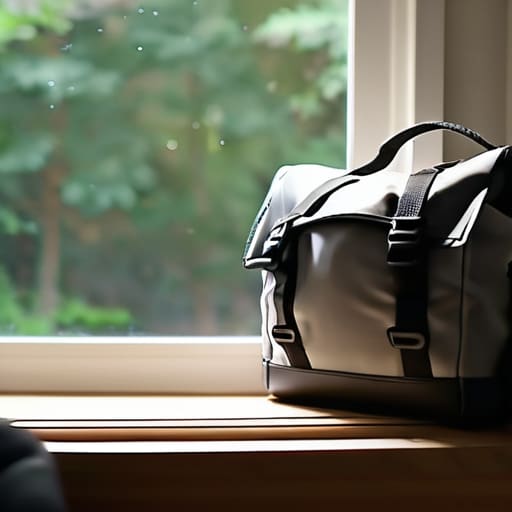
Look, I’m not going to tell you to buy a specialized vacuum or a $500 cleaning kit. Most of the time, maintenance isn’t about high-tech gadgets; it’s about developing a bit of discipline regarding where you put your gear when the shoot gets chaotic. If you leave your body and lenses sitting on a damp studio floor or, god forbid, in a hot car between commissions, you’re asking for trouble. My personal camera lens care routine is less about scrubbing and more about being mindful of the environment. I always keep a few silica gel packets in my gear bags—it’s the simplest way of preventing moisture damage in cameras when you’re moving between a humid outdoor shoot and a climate-controlled studio.
The real headache starts when you ignore the small things, like dust. You don’t need to be a surgeon, but you do need to know when a smudge is just a fingerprint and when it’s time to look into actual camera sensor cleaning techniques. I’ve seen too many photographers panic because they see a dark spot on their portraits, only to realize they’ve been ignoring a layer of grime for months. It’s not about being precious; it’s about not letting neglect turn a minor inconvenience into a repair bill.
Key Things to Know

First, let’s talk about the stuff that actually kills gear: humidity and dust. I’ve seen more expensive bodies ruined by a damp studio corner than by a dropped lens. If you aren’t using a dry box or at least a decent airtight container with silica gel, you’re playing a dangerous game with preventing moisture damage in cameras. It’s not just about the electronics; it’s about the glass. If you leave your gear in a bag in a humid room, you’re basically inviting a colony of mold to move in, and protecting lenses from fungus is a much harder battle than simply cleaning a smudge.
Then there’s the sensor. It’s the most intimidating part of the machine, but it shouldn’t be. You don’t need to be a surgeon, but you do need to be disciplined. My personal camera lens care routine always starts with a proper blower—never, ever use your breath—before you even think about touching the glass with a cloth. When it comes to the sensor, don’t panic, but don’t be reckless either. Learn the specific camera sensor cleaning techniques for your specific model before you go poking around with swabs, or you’ll be replacing a sensor instead of just cleaning one.
Practical Tips and Steps
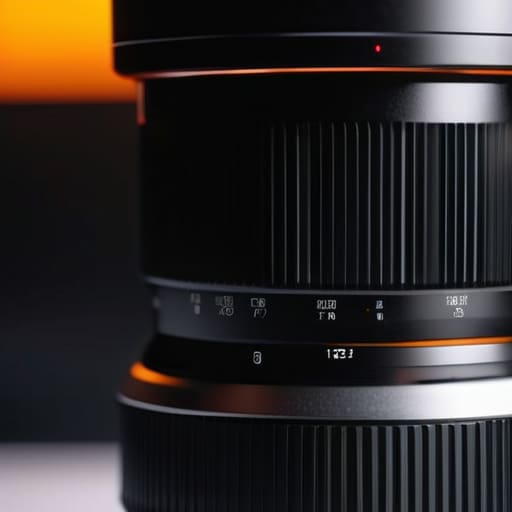
First, let’s talk about the environment, because that’s where the real damage happens. I’ve seen more gear ruined by a humid studio or a damp gear bag than by actual shutter clicks. If you aren’t using silica gel packets or a dedicated dry box, you’re essentially inviting trouble. Preventing moisture damage in cameras isn’t just for tropical expeditions; it’s for anyone who leaves their bag in a cold car or a damp studio corner. If you see a haze on your glass, you’re likely looking at the beginning of a nightmare, so prioritize protecting lenses from fungus by keeping your kit in a climate-controlled space.
When it comes to the actual touchpoints, stop being precious but stay disciplined. A weekly camera lens care routine—just a simple blower and a clean microfiber cloth—saves you from the grit that eventually scratches coatings. And please, for the love of everything, don’t go poking at your sensor unless you absolutely have to. If you must attempt camera sensor cleaning techniques, do it slowly, and if you feel any resistance, stop immediately. It’s much cheaper to hire a professional to clean a sensor than it is to replace one.
Common Mistakes to Avoid
The biggest mistake I see—and I’ve made it myself during a frantic shoot—is treating your gear like it’s invincible just because it’s “professional” grade. People think they can just wipe a smudge off a front element with a damp t-shirt and call it a day. Please, don’t. That’s how you end up with micro-scratches that catch the light in the worst possible way. A real camera lens care routine involves using the right microfibers and air blowers, not the hem of your jeans.
Then there’s the “set it and forget it” mentality regarding storage. I once saw a kit left in a damp studio basement for a month, and by the time it was opened, the glass was a graveyard. Preventing moisture damage in cameras isn’t just about keeping them dry; it’s about managing the environment. If you aren’t using silica gel packets or a proper dry box, you’re essentially inviting fungus to move in and make itself at home inside your glass. It’s a nightmare to fix and even harder to explain to a client when your sharpest prime suddenly looks like it’s been shot through a fog machine.
Final Thoughts
Look, at the end of the day, your gear is just a tool, and like any tool you use for a living, it’s going to take a beating. You can obsess over the specs of a new body, but if you aren’t mindful of the environment you’re bringing it into, the hardware won’t matter. Whether you’re dealing with a sudden downpour at a wedding or a humid studio, preventing moisture damage in cameras is the difference between a long career and a very expensive paperweight.
Don’t let the technical side paralyze you. You don’t need a laboratory; you just need a consistent camera lens care routine and the discipline to not leave your kit in a hot car. If you treat your equipment with a bit of respect—even when the client is being difficult or the lighting is failing you—it will show up for you when it counts. Just keep your eyes on the work, keep your sensors clean, and remember that the best way to store camera gear is in a dry, stable place where it isn’t being bumped around by accident.
The Real-World Survival Guide
- Stop treating your sensor like a holy relic and start treating it like a magnet for dust. You don’t need to go in there every day, but if you see a smudge after a shoot in a drafty studio or a dusty garden, use a blower—never, ever use your breath or a cloth—before that dust gets baked onto the sensor by the heat of a long video session.
- The bag is your first line of defense, but it’s also a trap. If you toss your camera into a padded bag right after a shoot without letting it breathe, you’re inviting condensation to form on the glass. Let the gear settle in a dry room for twenty minutes before you seal it away for the night.
- Watch your cables like a hawk. It’s rarely the camera body that dies; it’s the cheap third-party USB-C cable or the frayed tether that short-circuits something expensive during a client’s high-stakes portrait session. Stick to the brands that actually know how to build tension relief into their connectors.
- Battery management isn’t just about having enough juice for the shoot; it’s about the chemistry. If you’re storing gear for a few months between commissions, don’t leave the batteries at 0% or 100%. Aim for about half-charge and pull them out of the camera entirely so they aren’t slowly leaking or corroding in the dark.
- Clean your lenses, but do it with intention. A microfiber cloth is fine for a quick wipe, but if you’ve been shooting outdoors and there’s grit on the element, you’re just rubbing sandpaper into your expensive coating. Use a proper lens pen or a dedicated cleaning fluid—and for heaven’s sake, don’t use your t-shirt.
The Reality of Longevity
You can clean your sensor every week and treat your glass like it’s made of spun sugar, but a camera doesn’t usually die from neglect; it dies from the frantic, unscripted chaos of a real shoot. Maintenance isn’t about being a perfectionist; it’s about making sure that when the client changes their mind for the fifth time or the light fails, your gear is the one thing you don’t have to worry about.
Iwona Krawczyk
The Reality of the Long Game
At the end of the day, keeping your gear alive isn’t about performing some sacred ritual or buying every specialized cleaning kit on the market. It’s about the small, almost boring habits: wiping the sensor after a dusty outdoor shoot, being mindful of how you toss your bag in the back of the car, and realizing that moisture and grit are far more dangerous than a slightly outdated firmware version. If you manage the environment and respect the mechanics, your camera will likely outlast your current business model. Just remember that the most expensive sensor in the world won’t save a shot if you’ve let dust settle into the grooves of your lens mount because you were too rushed to clean as you go.
I spent years watching senior photographers treat their gear like indestructible tools, only to realize they were actually just very good at managing the chaos around them. Your camera is a tool, not a museum piece, but it is also the bridge between your vision and the final image. Don’t let a preventable technical failure become the reason you miss a fleeting moment or a perfect expression. Treat your kit with a sense of practical respect, and it will be there for you when the client arrives late, the light fails, and you finally find that perfect, quiet angle. Now, go out and shoot something worth the effort.
