
I once spent forty minutes in a freezing courtyard in Warsaw, trying to coax a decent portrait out of a client who was shivering so violently her teeth were practically a percussion instrument. I wasn’t worried about the sensor freezing or the shutter seizing up—I was worried about the sheer panic of realizing my battery had just dropped from 80% to zero in ten minutes. Most gear guides will tell you how to protect gear in cold by suggesting expensive, specialized thermal cases or high-tech insulation, but honestly? That’s mostly just marketing fluff for people with more money than sense. The real battle isn’t against the temperature itself; it’s against the unpredictable physics of moving from a frozen street into a heated studio.
I’m not here to sell you a padded bag or a miracle battery heater. Instead, I want to talk about the uncomfortable realities of condensation, the logistical nightmare of managing your workflow when your fingers are numb, and the simple, low-tech habits that actually keep your kit functioning. This is the practical, unvarnished side of working in the elements—the stuff you only learn after you’ve accidentally fogged up a lens right before the decisive moment.
Understanding How to Protect Gear in Cold
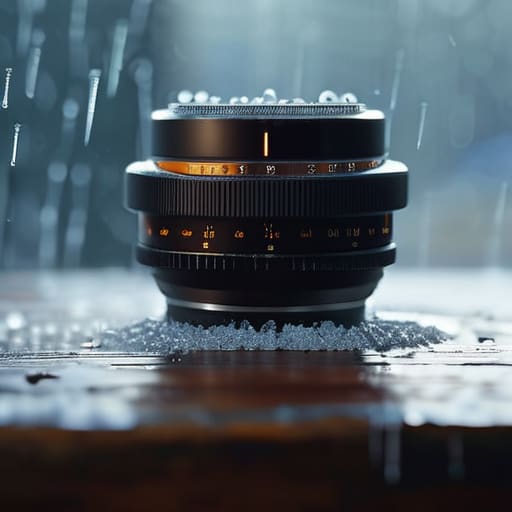
It isn’t just about the frost on the lens; it’s about the physics of moving between two different worlds. When you drag a camera out of a heated studio into a sub-zero street, you aren’t just dealing with the chill, you’re inviting a microclimate into your kit. The real killer is managing moisture buildup in electronics as that warmth hits the cold metal. If you don’t respect the transition, you’ll find yourself staring at a foggy sensor or, worse, droplets forming inside the body where you can’t reach them.
Then there is the energy crisis. I’ve learned the hard way that lithium battery performance in freezing temperatures is a lie told by manufacturers in sunny laboratories. In a real-world shoot, your battery percentage will drop like a stone the moment the wind picks up. I’ve started keeping my spares in an internal pocket against my skin—it’s unglamorous, but it’s the only way to ensure I’m not left with a dead camera halfway through a client’s golden hour.
Key Things to Know
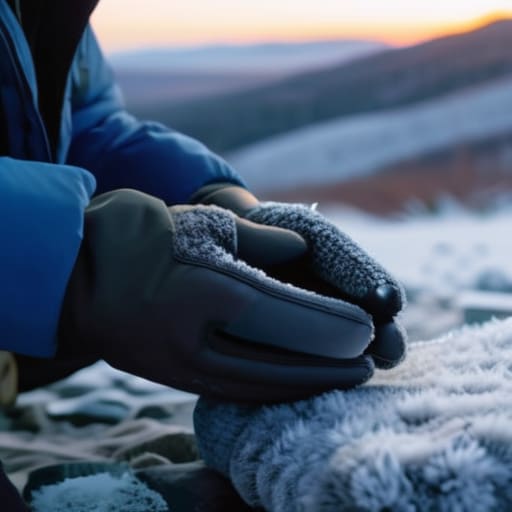
First, let’s talk about the power source. I’ve been caught out more than once by a sudden drop in voltage when the temperature dips below zero. It’s not that your battery is broken; it’s just that lithium battery performance in freezing temperatures is notoriously temperamental. The chemical reaction slows down, and suddenly that “full” charge you had ten minutes ago is a blinking red light. My rule of thumb is to keep your spares in an inside pocket, right against your body heat. If they aren’t warm, they aren’t working.
Then there is the actual physical danger of the transition from outside to inside. The real killer isn’t the frost itself, but the sudden rush of warm, humid air when you walk back into a studio or a heated car. This is where most people fail at preventing camera lens fogging and, more importantly, internal condensation. If you pull a freezing camera straight out of your bag and into a warm room, you are essentially inviting moisture to settle inside the sensor housing. I always make my assistants seal the gear in a large, airtight plastic bag before coming inside. Let the gear reach room temperature inside the bag; it’s a slow process, but it saves you from a nightmare of moisture buildup later.
Practical Tips and Steps
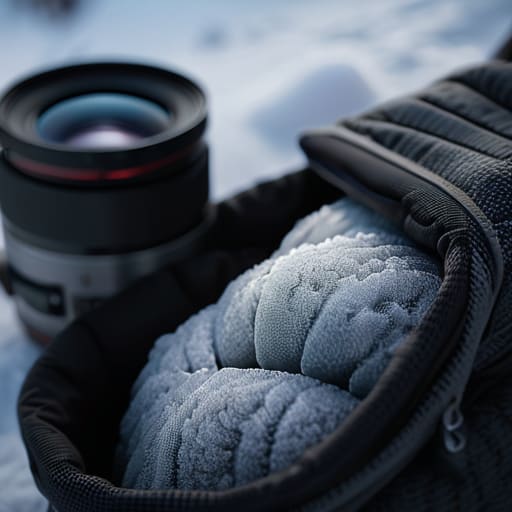
First, stop thinking about the gear as a single unit and start thinking about it as a collection of temperature zones. If you’re moving from a heated studio to a freezing street, the biggest mistake is unzipping your bag immediately. Instead, keep everything sealed inside your kit for at least thirty minutes once you’re indoors. This slow acclimation is the only real way of managing moisture buildup in electronics before it turns into a permanent internal disaster. If you have a dedicated padded bag, use it; even a bit of extra thermal insulation for gear bags can buy you the time you need to let the temperature equalize naturally.
Second, keep an eye on your power. I’ve learned the hard way that a full charge in the studio means nothing when you’re dealing with plummeting lithium battery performance in freezing temperatures. They don’t just drain; they die suddenly. Keep your spares in an inside jacket pocket, close to your body heat, rather than tucked in a side pocket of a backpack. And for heaven’s sake, if you’re swapping lenses in the cold, do it fast and keep the camera body facing down. Preventing camera lens fogging is much easier than trying to wipe condensation off a sensor in a dark alleyway.
Common Mistakes to Avoid
The biggest mistake I see—and I’ve made it myself more than once—is the impulse to rush straight from the freezing wind into a warm studio or a heated car. You think you’re saving time, but you’re actually just inviting a disaster. When that sudden temperature jump happens, you aren’t just dealing with a little mist; you’re managing moisture buildup in electronics that can seep into the sensor housing or the internal circuitry before you even realize there’s a problem.
Another one is treating your batteries like they’re invincible. If you’re shooting a winter wedding or an outdoor session and your camera suddenly dies, it’s likely not a dead cell, but rather a drop in lithium battery performance in freezing temperatures. Don’t leave your spares in an outer pocket of your bag where they can catch the frost. Keep them tucked against your body, in an inner jacket pocket, using your own body heat to keep them viable. It’s a small, annoying adjustment, but it’s the difference between finishing a shoot and having to explain to a client why your gear just gave up the ghost.
Final Thoughts
At the end of the day, you aren’t going to be perfect at this. You’ll probably forget a dry cloth once, or you’ll realize too late that your battery died halfway through a sunset session because you ignored the reality of lithium battery performance in freezing temperatures. That’s fine. Just don’t make it a habit. The gear is expensive, but your ability to actually finish a job without a meltdown is what keeps you in business.
My best advice is to stop treating your kit like it’s invincible. It isn’t. Whether it’s investing in decent thermal insulation for gear bags or just being more mindful of the transition from the car to the studio, these small habits save you from the real nightmare: the panic of a dead camera in the middle of a client’s most important shoot. Keep your bags zipped, keep your extra batteries close to your body heat, and trust the process. If you manage the environment, the camera usually takes care of itself.
The things that actually break (and how to stop them)
- Forget the thermometer; watch the condensation. The real killer isn’t the sub-zero air, it’s the moment you walk from a freezing street into a warm studio and your lens suddenly looks like it’s underwater. Keep your gear in your bag until you’re inside, and let it sit there for an hour to acclimate slowly.
- Batteries don’t just die; they surrender. If you’re shooting outdoors, keep your spares in an inner pocket close to your body heat. If you see your percentage dropping faster than usual, it’s not a faulty battery, it’s just the chemistry reacting to the cold.
- Don’t trust your bare hands for fine adjustments. When it’s biting out there, your dexterity vanishes, and that’s when you drop a lens cap or jam a card into the wrong slot. Wear thin liner gloves that allow you to feel the dials without exposing your skin to the frost.
- Watch your tripod legs. If you’re using aluminum, they’ll suck the heat right out of your hands and become painfully cold to touch. If you have the budget, go carbon fiber, or at the very least, wrap your legs in some foam padding so you aren’t fighting the metal while trying to level the shot.
- The “dry cloth” rule is non-negotiable. Carry more microfiber cloths than you think you need. You’ll spend half the shoot wiping moisture off the front element as the temperature shifts, and trying to use a sleeve or a paper towel will just leave streaks that ruin the shot.
The real danger isn't the frost
Your sensor won’t die because it’s cold; it’ll die because you rushed the gear back into a warm studio and let a layer of condensation settle into the electronics before you even had a chance to say hello to the client.
Iwona Krawczyk
One Last Thing Before You Pack Up
At the end of the day, protecting your gear in the cold isn’t about buying a fancy weather-sealed body or a magic thermal bag; it’s about the boring, unglamorous stuff. It’s about the patience to let your camera sit in a sealed bag while it reaches room temperature, and the foresight to keep your spare batteries tucked against your skin rather than in a cold equipment pouch. If you manage the condensation and respect the slow transition from the frost to the warmth of your studio, you’ve already won half the battle. The goal is to ensure that when you finally sit down to cull your images, you aren’t staring at a sensor clouded by moisture or a dead battery that gave up halfway through a client’s best expression.
Don’t let the logistics of the weather steal the actual joy of the shoot. I’ve spent too many sessions shivering in a drafty location, worrying more about my lens than the person standing in front of it. Remember that the gear is just the tool, and while we have to respect its physical limits, the real magic happens in the connection you build with your subject. Once you have your workflow for the cold down to a science, the temperature becomes just another variable to manage, rather than a crisis. Pack your bags, keep your hands warm, and go get the shot.
