
I once spent forty minutes in a dimly lit studio, sweating through my shirt because I was convinced my lighting setup was failing, only to realize a client’s toddler had managed to knock my primary strobe off its stand during a quick coffee break. That sinking feeling in your stomach—the one where you realize your livelihood is currently a pile of expensive, broken glass on a hardwood floor—is exactly why people get so paralyzed when they start looking into how to insure photography gear. Most of the advice out there is written by people who have never actually had a lens hit the pavement; they talk about “comprehensive coverage” and “risk mitigation” like they’re selling life insurance to a corporate bank, rather than helping a person who just needs to know if they’re covered when a rogue tripod leg snaps in a crowded wedding venue.
I’m not here to sell you a premium policy or drown you in fine print that won’t actually save you when things go sideways. Instead, I want to walk you through the uncomfortable realities of what you actually need to protect. This is a breakdown of what works, what’s a total waste of your monthly subscription, and how to navigate the chaos of the real world without losing your mind.
Understanding How to Insure Photography Gear
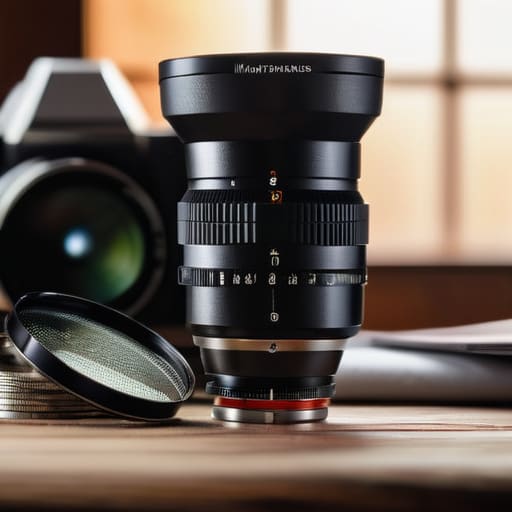
Before you start signing contracts, you need to figure out what kind of “disaster” you’re actually planning for. Most people think they just need a policy for when a lens hits the pavement, but it’s more layered than that. You have to decide between equipment replacement value vs actual cash value. If you choose actual cash value, the insurance company looks at your three-year-old body and tells you it’s worth peanuts, leaving you to pay the difference for a new one. I always push for replacement value; I don’t want to be debating the depreciation of a sensor while I’m trying to book my next commission.
Then there is the “oops” factor. If you’re shooting a corporate headshot in a rented studio and you trip over a power cable, knocking over a client’s expensive vase, your gear insurance won’t save you. That’s where photographer liability insurance steps in. It’s the unglamorous, boring part of the job, but it’s the difference between a bad day and a bankrupt year. You aren’t just buying coverage for your glass; you’re buying a buffer against the chaos of being a professional in a room you don’t control.
Key Things to Know
First, let’s talk about the math that usually trips people up: equipment replacement value vs actual cash value. If you go with actual cash value, the insurance company looks at your three-year-old body and calculates its “depreciated” worth. That might sound fine until you’re standing in a rainy parking lot with a broken sensor, realizing the payout won’t even cover a mid-range replacement. You want replacement value. You want to be able to walk into a shop the next morning and buy the same tool you just lost, not a dusty version of it from 2019.
Then there is the distinction between your gear and your skin. Most beginners think they only need to worry about their glass, but you absolutely need photographer liability insurance. It’s not about your camera falling off a tripod; it’s about a client tripping over your light stand and deciding your business is responsible for their medical bills. I’ve seen enough chaotic wedding receptions to know that protecting your bank account from a lawsuit is just as vital as protecting your lenses from a clumsy assistant.
Practical Tips and Steps
First, stop assuming your homeowner’s policy is your safety net. Most of them have a “business use” clause that’s basically a trap; the second you claim a lens was stolen while you were on a paid commission, they’ll point to the fine print and walk away. You need dedicated professional camera equipment coverage that actually understands what a kit looks like. When you’re talking to brokers, don’t just ask for a quote—ask them about the difference between equipment replacement value vs actual cash value. You want the former. If a client’s toddler knocks your favorite 50mm off a table, you want the money to buy a new one today, not the depreciated value of a five-year-old piece of glass.
Second, get serious about your liability. I’ve seen a light stand tip over and nearly take out a CEO’s forehead, and suddenly, the shoot isn’t about the portraits anymore; it’s about the lawsuit. Having photographer liability insurance is less about the gear and more about the chaos of the room. It’s the invisible layer of protection that keeps a clumsy moment from becoming a career-ending catastrophe.
Common Mistakes to Avoid
The biggest mistake I see is people assuming their standard homeowner’s policy is a safety net. It isn’t. Most home insurance is designed for a toaster or a TV, not a bag of glass that costs more than your first car. If you try to claim a stolen body under a domestic policy, you’ll likely find yourself fighting a mountain of fine print just to get a fraction of the cost back. You need to look specifically at professional camera equipment coverage that understands your kit is your livelihood, not a hobbyist’s collection.
Another trap is getting caught up in the math of equipment replacement value vs actual cash value. If you opt for the latter, you’re essentially agreeing to be compensated for your gear’s “used” value. That might sound fine until you drop a lens in a puddle and realize that “used” value won’t actually buy you the replacement you need to finish a commission. Finally, don’t forget the human element. I’ve seen plenty of photographers obsess over their glass but completely neglect photographer liability insurance. It doesn’t matter how well-insured your sensor is if a client trips over your light stand and decides to sue.
Final Thoughts
At the end of the day, insurance isn’t about the gear itself; it’s about the peace of mind required to actually do the work. When you’re standing in a dimly lit studio or navigating a crowded wedding reception, you shouldn’t be mentally calculating the cost of a dropped body or a stolen lens. You need to know that if the worst happens, you aren’t staring at a bank balance that just took a massive hit. Whether you are looking into professional camera equipment coverage or just trying to figure out if your current policy actually covers a client’s clumsy assistant, the goal is to remove the “what if” from your brain.
Don’t wait until you’re staring at a shattered element or a stolen bag to start reading the fine print. Get the policy sorted now, so when the chaos of a real shoot inevitably happens, you can focus on the person in front of your lens rather than your balance sheet. It’s a boring, administrative chore, but it’s the only way to ensure you’re still shooting next month.
Five ways to stop worrying about your kit
- Document everything, even the stuff you hate. Take a photo of every serial number and every scratch on your lenses before you leave the studio. When a claim happens, you don’t want to be squinting at a dusty sticker on the bottom of a camera body trying to remember if that was a ‘0’ or an ‘O’.
- Don’t just insure the gear; insure the trip. If I’m heading out to a remote location for a commission, I need to know that if a rogue gust of wind sends my tripod into a ravine, the policy actually covers “transit and location” rather than just “studio use.” Read the fine print on where the coverage actually lives.
- Keep a running “gear graveyard” spreadsheet. Every time you buy a new modifier or a weirdly specific prime lens, add it to the list immediately. There is nothing more gut-wrenching than realizing your “comprehensive” policy doesn’t actually include the specific lighting kit you spent three months saving for.
- Check your replacement value, not the “market” value. If your sensor dies, you don’t want the insurance company handing you a check for what a broken version of that camera sells for on eBay; you want a check that buys you a brand-new, functioning version of the same tool so you can actually finish the job.
- Beware the “professional use” trap. If you’re using a hobbyist policy for a paid wedding or a corporate headshot session, you’re essentially flying without a net. The moment a claim involves gear used for money, the insurance company will find the loophole to deny it. Make sure your status matches your policy.
The Reality of the Risk
You can spend all day obsessing over sensor resolution and lens sharpness, but insurance isn’t about protecting your gear from technical failure; it’s about protecting your livelihood from the moment a client’s toddler treats your 50mm like a teething ring or a venue’s temperamental power grid decides to fry your lighting rig.
Iwona Krawczyk
One Last Thing Before You Pack the Bag
At the end of the day, getting your insurance sorted is just another part of the prep work, right up there with checking your batteries and making sure you haven’t left your SD cards in the laptop. You need to know exactly what your policy covers—whether it’s the gear sitting in your studio or the lens that just took a dive onto a cobblestone street during a wedding shoot. Don’t just skim the fine print; make sure you understand the difference between accidental damage and theft, and for heaven’s sake, keep an updated inventory of every serial number you own. It’s tedious, it’s unglamorous, and it’s the only way to ensure that a single moment of chaos doesn’t wipe out your entire professional livelihood.
Once the paperwork is filed and the premiums are paid, try to let the anxiety go. You can’t control every clumsy client or every unpredictable light leak, and you certainly can’t stop the universe from being occasionally chaotic. The goal of insurance isn’t to make you a perfect photographer; it’s to give you the breathing room to focus on the person in front of your lens without wondering if your livelihood is one dropped tripod away from disappearing. Secure your kit, trust your training, and then get back to the work that actually matters.
