
I remember a shoot three years ago where the lighting was perfect, the modifier was exactly where it needed to be, and yet everything felt wrong. I was trying to frame a corporate portrait, but I spent the first twenty minutes obsessing over the height of my tripod instead of actually talking to the person in front of me. I realized then that most of the “professional” advice out there misses the point entirely; people treat it like a technical checklist of angles and clearances, as if there’s a secret manual on how to photograph someone in a wheelchair respectfully that involves more gear and less humanity. It’s not about the tilt of your lens; it’s about the fact that you’re treating a person like a logistical obstacle.
I’m not here to give you a list of polite platitudes or tell you to “be sensitive.” That’s useless when you’re actually in the room. Instead, I want to talk about the real mechanics of the job: how to manage the physical space of the studio, how to handle the eye line without being patronizing, and how to ensure the chair is part of the composition rather than an afterthought. This is about the practical reality of making a subject feel seen, not just documented.
The Lens Isnt the Issue Navigating the Room and the Reality of Photographin
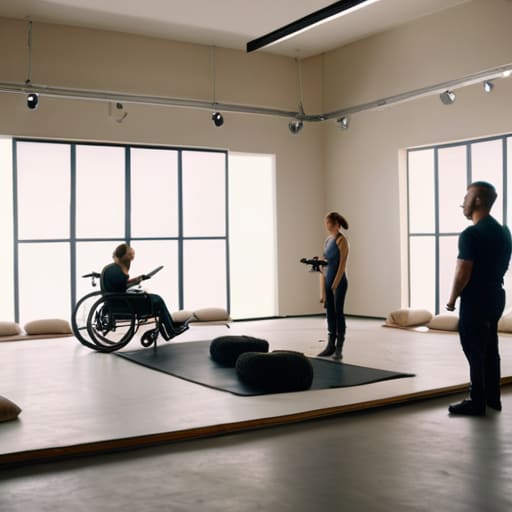
The first thing I do when I walk into a studio is look at the floor, not the person. If there’s a wheelchair, I’m checking the clearance for my light stands and the sweep of my cables. You can have the most expensive Profoto kit in the world, but if you’ve tripped over a caster or blocked the subject’s path with a sandbag, you’ve already lost the session. This isn’t just about logistics; it’s about inclusive visual storytelling. If the room is cramped and awkward, the subject will feel it, and that tension will show in their eyes.
Once we’re set, we need to talk about the angle. I’ve seen too many photographers instinctively shoot from a standing position, looking down, which creates this weird, patronizing hierarchy. It’s a mistake. I try to get my eye level with theirs—whether that means I’m sitting on a stool or crouching down—to ensure we’re connecting as equals. This is a core part of ethical portrait photography practices: treating the mobility aid as a natural extension of the person, rather than a “problem” to be worked around or a prop to be highlighted.
Beyond the Gear Practicing Ethical Portrait Photography Practices in Situ
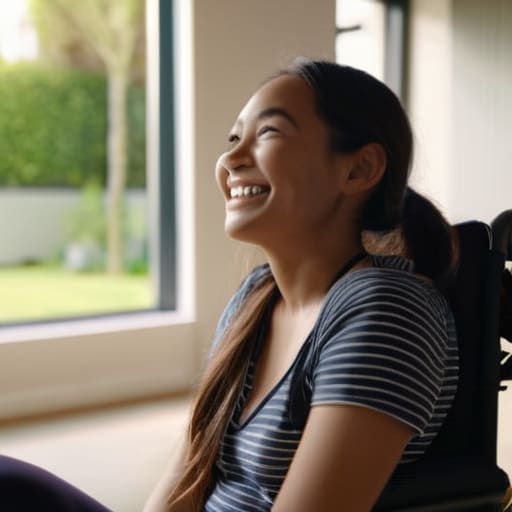
Once you’ve sorted the lighting and the angles, you’re left with the actual human being in front of you. This is where most people trip up, usually by trying too hard to be “inspiring.” If I’m being honest, there is nothing more draining for a subject than feeling like they are being used as a prop for a social cause rather than being seen as a person. To practice true ethical portrait photography practices, you have to stop looking for the “story of struggle” and start looking for the person. It’s about avoiding disability tropes—that patronizing, overly sentimental aesthetic that treats a wheelchair like a heavy metaphor instead of just a way of getting around.
This means your approach to consent in portraiture needs to be active, not just a signed waiver in a folder. If you want to move the chair to catch a better rim light, or if you want to adjust a footrest to clean up the frame, ask. Don’t just do it. It’s a small distinction, but it’s the difference between being a technician and being a collaborator. You aren’t just documenting a condition; you are building a moment of inclusive visual storytelling where the subject actually has a say in how they show up.
The Invisible Barrier How to Photograph Someone in a Wheelchair Respectfull
The biggest mistake I see is the “heroic” angle—that tendency to shoot from a low vantage point to make the subject look monumental or, conversely, shooting from way up high, which feels patronizing. Both are wrong. If you want to practice true inclusive visual storytelling, you have to meet them where they are. This usually means getting your tripod down to eye level. When you’re standing over someone, you aren’t just a photographer; you’re a physical obstacle. I always make a point to pull my chair in or crouch down so we’re sharing the same plane. It changes the entire energy of the session from an interrogation to a conversation.
We also need to talk about the chair itself. It isn’t an accessory or a prop to be tucked away out of frame to “clean up” the shot. For most of my clients, that chair is an extension of their body. When we talk about avoiding disability tropes, we’re talking about acknowledging that the mobility aid is part of their silhouette. Don’t treat the chair like a piece of clutter you need to hide; treat it as a fundamental element of the composition.
When the Subject Decides Consent in Portraiture and Reclaiming Agency
There is a specific, heavy kind of silence that happens when a subject realizes they are being “handled” rather than photographed. I’ve seen it happen with seasoned professionals and first-timers alike. It’s that moment where the person in the chair realizes you aren’t looking at them, but rather at the mechanics of their chair or the way they occupy space. If you want to move toward genuine disability representation in photography, you have to stop treating the mobility aid as a problem to be solved or a prop to be tucked out of frame. It is part of their silhouette.
True consent in portraiture isn’t just a signed release form; it’s the permission to be seen on your own terms. I make it a point to ask: “How much of the chair do you want in the frame?” or “Are we focusing on your face, or do you want the full context of how you move?” This isn’t about being overly cautious; it’s about handing the steering wheel back to them. When you let the subject decide what is “too much” or “not enough,” you stop being a voyeur and start being a collaborator.
Breaking the Pattern Avoiding Disability Tropes Through Inclusive Visual St
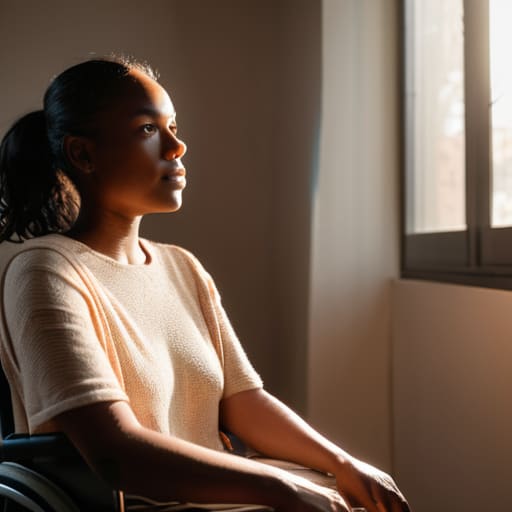
We’ve all seen the “inspirational” shots—the ones where the subject is bathed in a soft, saintly backlight, looking wistfully out a window as if they’re contemplating the sheer weight of existence. It’s a visual shorthand that feels profound but is actually incredibly lazy. When we lean into these clichés, we aren’t capturing a person; we’re capturing a concept of struggle. To achieve true inclusive visual storytelling, you have to stop looking for the “meaningful” moment and start looking for the actual person. If they’re a software engineer, photograph them in their element, not just as a person in a chair.
The trap is often in the composition. I’ve seen too many photographers default to a low angle that either fetishizes the mobility aid or, conversely, shoots from a “heroic” height that feels patronizing. Instead, aim for eye level. It sounds simple, but it’s the difference between documenting a condition and capturing a human being. Avoiding disability tropes means rejecting the idea that the chair is the most interesting thing in the frame. If the chair is part of their silhouette, fine, but don’t let it become the entire story.
The Dignity of the Detail Photographing Mobility Aids as Part of the Story
I’ve spent enough time on sets to know that when a photographer gets nervous about a piece of equipment—be it a specialized chair or a brace—they tend to treat it like a prop that needs to be hidden. They try to crop it out or angle the light to wash it away, as if the aid is a mistake in the frame. That’s where we fail. If we are serious about inclusive visual storytelling, we have to stop treating the mobility aid as an obstacle to the portrait and start seeing it as part of the person’s silhouette. The chair isn’t “clutter”; it is part of the geometry of the shot.
When I’m composing, I look at how the lines of the chair interact with the subject’s posture. Maybe it’s the way a hand rests on a joystick or the specific texture of a carbon-fiber frame. Instead of trying to soften these edges, I lean into them. This is how you move toward genuine disability representation in photography—by acknowledging that the tool and the human are a single, cohesive visual unit. It isn’t about being “inspiring”; it’s about being accurate to the reality of the room.
The practicalities of the setup: Five things to check before you press the shutter
- Stop looking for the “perfect” angle from your standing height. If you’re shooting a seated subject, you need to get your eye level down to theirs—usually by dropping to a stool or even kneeling. If you stay standing, you’re looking down on them, and even if you don’t mean to, you’re creating a visual hierarchy that feels patronizing rather than collaborative.
- Watch your light modifiers. If you’re using a large octabox, make sure the stand isn’t positioned in a way that forces the subject to navigate around it or, worse, knocks into their chair. A tripod or a light stand is just one more obstacle in a room that is already potentially tight; clear the floor space before you even unwrap your gear.
- Ask about the chair before you talk about the face. To you, it’s a piece of equipment; to them, it’s an extension of their body. Ask if they want the chair in the frame or if they’d prefer to be photographed separately. Don’t assume they want it cropped out, and don’t assume they want it as the centerpiece. Let them set the boundary.
- Mind the “clutter” of the mobility aid. If you’re shooting a close-up portrait, don’t treat the armrests or the joystick like an eyesore that needs to be tucked out of shot. If it’s part of their silhouette, let it be part of the composition. Trying to “clean up” the frame by hiding the chair often results in a shot that feels dishonest and strangely disconnected.
- Manage the physical space of the shoot. If you’re working in a small studio or a cramped office, the chair might be the only thing that fits comfortably. Instead of trying to squeeze them into a corner to make room for your lights, move the lights. The person in the chair is the priority; the gear is just the secondary tenant in the room.
The view from the tripod
If you find yourself standing over a subject just to get your angle, you’ve already lost the portrait; get on their level, or better yet, sit down in a chair next to them, because respect isn’t something you capture with a wide aperture—it’s something you establish by refusing to look down on them.
Iwona Krawczyk
The final frame
At the end of the day, this isn’t about mastering a new lighting setup or memorizing a checklist of “dos and don’ts.” It’s about the work we did before the shutter even clicked: checking the floor for level ground, asking permission before moving a piece of equipment near a chair, and—most importantly—listening. We’ve talked about avoiding those tired, pitying tropes and why the wheelchair itself is just another part of the subject’s landscape, not a barrier to their humanity. If you’ve focused on agency over aesthetics and treated the mobility aid as a tool of independence rather than a prop of tragedy, you’re already ahead of most of the professionals I know.
When you finally look at the back of the camera to review the shots, don’t just look for perfect exposure or sharp focus. Look for the person. If the image feels like a conversation rather than a clinical observation, you’ve done it right. Photography is often an act of taking, but respectful portraiture is an act of shared presence. Stop worrying about whether your gear is up to the task and start focusing on the person sitting in front of you. That is where the real image lives.
