
I’ve spent enough years assisting on high-end sets to know that when a couple looks like two statues carved from ice, it’s rarely because the photographer didn’t have the latest autofocus system. You can buy all the expensive glass in the world, but it won’t fix the fact that you’re standing there silently waiting for “magic” to happen while they feel like they’re under a microscope. Most tutorials will tell you to use a specific lens or a softbox to learn how to photograph a couple naturally, but they completely ignore the fact that the couple is currently panicking because you haven’t said a single word to them in three minutes.
I’m not here to give you a list of pretty poses that look great on Pinterest but feel entirely fake in person. Instead, I want to talk about the uncomfortable middle ground—the way you manage the frantic energy of a wedding guest list, the way you use your voice to fill the silence, and the specific, tiny adjustments you make to their physical space to stop them from looking like they’re posing for a mugshot. This is about the human logistics of the shoot, not the gear.
Understanding How to Photograph a Couple Naturally
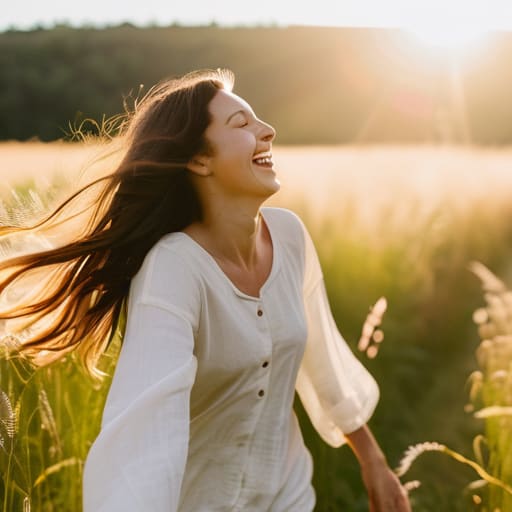
The biggest mistake I see is the attempt to manufacture a moment. You can’t just tell two people to “be natural” and expect magic; that’s like telling someone to “be spontaneous” on command. It’s impossible. Instead of trying to force a pose, you have to focus on lifestyle photography techniques that actually facilitate movement. If I’m in a studio, I’m not looking for them to stand still; I’m looking for them to lean into each other, to shift their weight, or to walk toward me. The goal isn’t a static image, but a captured breath.
Most of the time, the stiffness comes from a lack of direction, not a lack of chemistry. This is where you stop being a photographer and start being a bit of a director. I rely heavily on posing prompts for couples that give them a task rather than a position. Don’t tell them where their hands go—ask them to whisper something ridiculous in the other person’s ear. When you give them something to do, they stop thinking about the lens, and that’s when you actually start capturing authentic emotions.
Key Things to Know
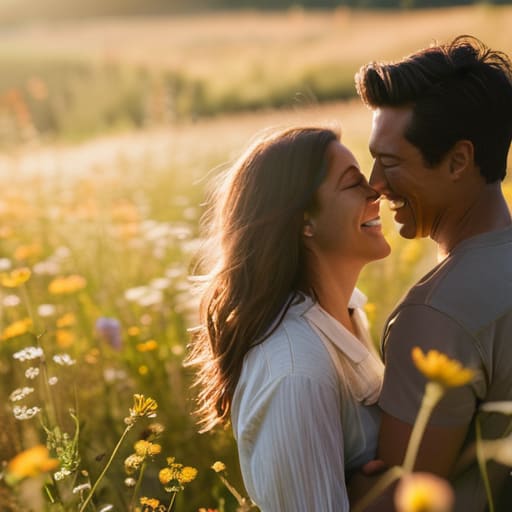
First, forget the idea that you need to be a director of a high-budget film. Most of the time, you’re actually a mediator. You aren’t just managing light; you’re managing the space between two people who might be terrified of looking silly in front of a lens. If you try to force a “perfect” pose, you’ll get a perfect lie. Instead, lean into lifestyle photography techniques where the goal is to let them exist in the same frame without feeling like they’re on a stage.
Second, stop giving instructions and start giving tasks. When I tell a couple to “look at each other and smile,” I can practically see their facial muscles lock up. It’s a disaster. I prefer using posing prompts for couples that require actual movement or a bit of friction—like asking them to walk toward me while arguing about something trivial, or telling one to whisper something ridiculous in the other’s ear. You want to catch the moment after the laugh, or the split second of quiet tension right before they move. That’s where the real work happens.
Practical Tips and Steps

First, stop trying to direct them like chess pieces. If you tell a couple to “stand here and look happy,” you’ve already lost. Instead, I use posing prompts for couples that force them to actually interact with each other rather than with my lens. I’ll tell them to whisper something ridiculous in each other’s ear or to walk toward me while trying to keep a straight face. It’s about creating a task that occupies their brains so their bodies can stop acting like they’re being interrogated by the police.
Second, watch your light, but don’t let it become a distraction. I’ve spent too many shoots chasing the perfect window light only to realize I’ve ignored the fact that the subject is currently vibrating with anxiety. If you’re using natural light portraiture, use it to frame the mood, but keep your eyes on their hands. If they start fidgeting or pulling away, adjust your proximity. Sometimes, the best way to achieve unposed couple photography is to simply step back, widen your focal length to 50mm or 85mm, and wait for the moment they forget you’re even in the room.
Common Mistakes to Avoid
The biggest mistake I see is the “pose and freeze” trap. You walk up, tell them to put their hands here and their chin there, and then you stand back and wait for the shutter to do the heavy lifting. This is the fastest way to kill the vibe. When you treat people like mannequins, you lose the ability to achieve capturing authentic emotions because they aren’t feeling anything; they are just trying to remember their posture. If you aren’t moving with them, you aren’t a photographer; you’re just a witness to their discomfort.
Another blunder is over-relying on technical perfection at the expense of the moment. I’ve seen shooters obsess over a single stray hair or a slight shadow under the nose while a genuine, laughing connection is happening right in front of them. Stop trying to curate a sterile image. True unposed couple photography requires you to accept that a little bit of motion blur or a slightly messy background is a fair trade for a look that actually feels real. If you’re too busy checking your histogram, you’re missing the soul of the shot.
Final Thoughts
Look, at the end of the day, you can have the most expensive lighting kit in the city, but if you’re still hovering over them like a drill sergeant, you’ve already lost. My advice? Stop trying to manufacture a moment and start facilitating one. If you lean too hard into rigid posing prompts for couples, you’ll end up with a gallery of beautiful, hollow statues rather than real people. The magic happens in the transitions—the moment they laugh at your terrible joke or the second they exhale after you tell them they can finally relax.
Don’t get precious about the technicalities. If the sun is behaving and you’re using natural light portraiture to your advantage, great. If not, make do with what the room gives you. My goal isn’t for you to master a checklist; it’s for you to develop the intuition to see when a couple is actually connecting. Focus on capturing authentic emotions instead of perfect symmetry. If the shot is a little messy but the feeling is unmistakable, that’s the one that will actually matter to them in ten years.
Five things that actually matter when the posing falls apart
- Stop giving them a list of instructions. If you tell a couple to “look at each other and smile,” you’ve just handed them a script for a bad bank advertisement. Instead, give them a physical task that requires focus—like telling them to whisper something ridiculous in each other’s ears—to break that paralyzing “we are being watched” tension.
- Watch the hands. This is my obsession for a reason. When people get nervous, their hands go to their throats, their hair, or they just hang there like dead weights. If they look stiff, tell them to find something to hold—a lapel, a waist, even just a thumb hooked into a pocket. Movement in the hands translates to movement in the face.
- Manage the space between them. There is a very specific, awkward “dead zone” about six inches where couples often hover because they aren’t sure if they should be touching or not. It looks terrible on camera. Either get them close enough that there’s no daylight between their torsos, or move them far enough apart that the distance looks intentional. Eliminate the hesitation.
- Control the environment, not just the light. You can have a perfect softbox setup, but if there’s a loud wedding guest or a gust of wind hitting them at the wrong moment, they’ll lose their flow. If the room feels chaotic, stop shooting. Take thirty seconds to settle the space before you try to capture “intimacy.” You can’t photograph a connection if the subject is busy being distracted by the room.
- Use your voice as a stabilizer. If the energy in the frame feels brittle, it’s usually because you’ve gone silent while you’re fiddling with your settings. Keep talking. Not about the photo, but about the light or the weather or something mundane. If you are calm and conversational, they will mirror that. If you go quiet and start squinting at your LCD, they will immediately assume they look terrible.
The Lie of the "Perfect" Pose
If you’re spending the whole session trying to sculpt them into a magazine spread, you’ve already lost. A natural portrait isn’t something you manufacture with a specific hand placement; it’s what happens when you stop directing them like statues and start managing the tension in the room so they can actually breathe.
Iwona Krawczyk
The Real Work Starts After the Settings are Set
At the end of the day, capturing a couple naturally isn’t about mastering a new lighting modifier or memorizing a list of Pinterest poses that will look dated by next Tuesday. It’s about managing the friction between the people in front of you and the environment you’ve built. It’s about realizing that when a shot feels stiff, the issue isn’t your aperture; it’s likely that you haven’t dealt with the awkwardness of the transition between locations or failed to notice that the groom is holding his breath. You have to be the one to bridge the gap between the technical setup and the human messiness, ensuring the room feels safe enough for them to actually exhale.
Don’t let the pursuit of the “perfect” shot turn you into a drill sergeant. If you spend the whole session barking instructions like a technician, you’ll end up with technically flawless images of two people who look like they’re being interrogated. Instead, lean into the chaos. Let the hair get a bit messy, allow for the genuine, unscripted laughter that happens when a pose fails, and remember that your intuition is a much more valuable tool than any preset. The best portraits aren’t found in the textbook; they are found in the quiet, unpolished moments you were brave enough to let happen.