
I once spent three hours in a humid terminal in Warsaw, sweating through my linen shirt while trying to explain to a security agent why my heavy-duty light stand wasn’t a “weapon.” I had a client waiting for a corporate headshot in a studio that turned out to be half the size of my luggage, and all I could think about was the sheer, expensive stupidity of how we’re taught how to travel with lighting gear. Most tutorials suggest you need a specialized, ruggedized flight case for every single modifier, as if you’re transporting delicate surgical instruments instead of just a few pieces of aluminum and fabric. It’s a total lie designed to sell you more plastic, and quite frankly, it’s a waste of your budget and your sanity.
In this notebook, I’m skipping the gear-catalog fluff to tell you how I actually do it. I’ll show you the specific compromises I make—like which modifiers are worth the bulk and which ones are better left at home—to ensure you arrive at your shoot with your equipment (and your nerve) intact. This isn’t about being a gearhead; it’s about the logistics of making sure the light actually shows up when you do.
The Logistics of Chaos How to Travel With Lighting Gear
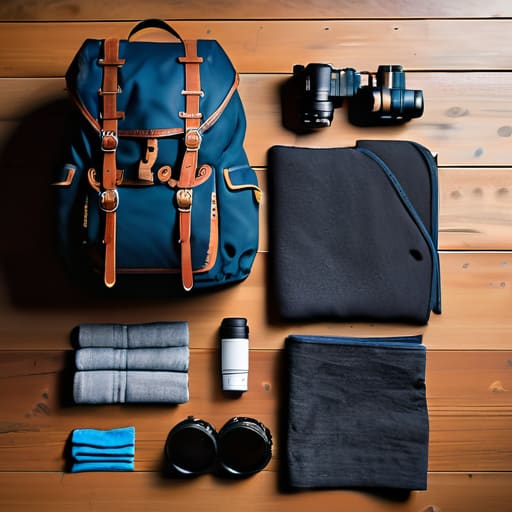
First, let’s talk about the physical reality of your kit. You aren’t just moving gear; you are moving fragile, expensive glass and electronics that the airline staff will treat like a hockey puck. If you’re relying on a standard backpack, stop. You need to find the best camera bag for lighting equipment—something with actual structural integrity and dedicated compartments. I’ve learned the hard way that shoving a modifier into a corner of a duffel bag is a recipe for a crushed softbox. When you’re protecting delicate light modifiers, wrap them in your extra lens cloths or even your spare shirts. It’s a cliché for a reason; padding is your only friend when a baggage handler is having a bad day.
Then there’s the invisible stuff that actually kills a shoot. I once arrived in Lisbon only to realize my power bricks were useless because I hadn’t checked the international voltage requirements for photography. It’s a rookie mistake, but it’ll cost you a morning of frantic searching in local shops. Also, check your airline’s fine print on traveling with lithium batteries and strobes. They don’t care about your creative vision; they care about fire hazards. Keep the batteries in your carry-on, and for heaven’s sake, keep them organized.
Choosing the Best Camera Bag for Lighting Equipment and Sanity
Don’t fall into the trap of buying a bag just because it looks rugged in a catalog. I spent years lugging around a massive, over-engineered backpack that felt like a turtle shell, only to realize it was impossible to access my gear during a quick change in a cramped hotel room. When you are looking for the best camera bag for lighting equipment, you aren’t just looking for padding; you are looking for architecture. You need a system where the heavy stuff—the strobes and the battery packs—sits low and centered so the bag doesn’t try to pull your spine out of alignment the moment you hit the stairs.
The real headache, though, is the sheer volume of “soft” gear. You can find a bag that fits a body and a lens perfectly, but then you have to figure out how you’re going to manage protecting delicate light modifiers without them getting crushed by a stray tripod or a heavy power brick. I’ve learned to prioritize bags with modular dividers that allow me to create “zones.” One zone for the electronics, one for the glass, and a dedicated, cushioned pocket for the small, awkward things like gels or sync cords. If you can’t reach your trigger in under five seconds, you’ve bought the wrong bag.
Compact Lighting Setups for Travel Without Sacrificing the Vision
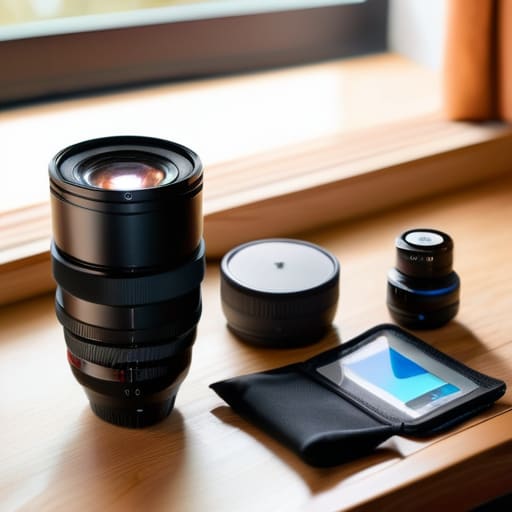
If you try to bring your full studio setup on a train or a budget flight, you’ve already lost. I’ve learned the hard way that the goal isn’t to recreate my home studio in a hotel room; it’s to find the most effective version of light that fits in a carry-on. For me, that means leaning heavily into compact lighting setups for travel that rely on high-quality COB LEDs rather than bulky strobes. An LED panel might feel “lesser” to some, but if it’s small enough to tuck into a corner and runs off a battery, it’s a win.
The real trick is being ruthless about your modifiers. You can’t carry a massive octabox, so you learn to live with a high-quality, collapsible silver reflector or a small, foldable softbox that actually stays taut. When you’re protecting delicate light modifiers in a cramped bag, every millimeter counts. I always pack a single, versatile modifier that can do 80% of the work. It’s about making the compromise early so you aren’t fighting your gear when the client finally shows up.
Protecting Delicate Light Modifiers From the Unpredictable World
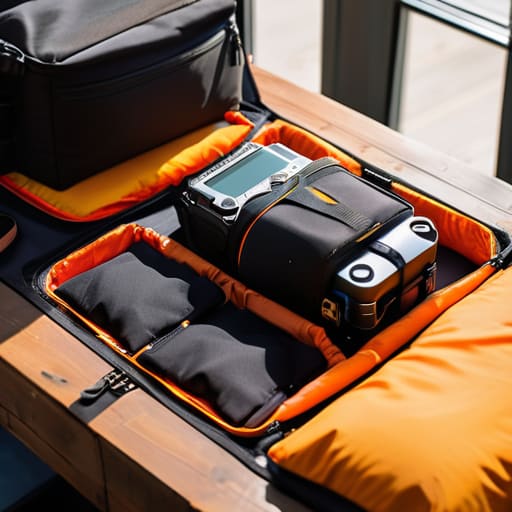
If you think your camera body is the most fragile thing in your kit, you haven’t seen a softbox skeleton get crushed in the cargo hold. Most people focus on the glass, but protecting delicate light modifiers is what actually saves your shoot when you land. I’ve learned the hard way that a flimsy umbrella or a thin silk diffuser is a magnet for disaster. If you’re using collapsible octaboxes, don’t just throw them into a corner of your bag. Use a dedicated padded sleeve, or at the very least, wrap them in a heavy canvas bag to prevent the metal ribs from snapping under the weight of your lenses.
When you’re building compact lighting setups for travel, the temptation is to skip the bulky cases entirely. I get it—space is a premium. But a crushed beauty dish is a non-negotiable expense you don’t want to face in a hotel room in a foreign city. If you’re working with small LED panels, nestle them between layers of clothing or soft pouches. It’s not about being precious; it’s about making sure that when you finally get the client in front of the lens, you aren’t staring at a bent frame instead of a clean light source.
Portable Studio Lighting for Photographers Who Live Out of Suitcases
When you’re working out of a hotel room or a cramped Airbnb, you quickly learn that “portable” is a relative term. You can’t bring the heavy-duty Profoto heads you use for studio commissions, but you also can’t rely on a single window if the weather turns gray. I’ve found that the sweet spot lies in high-quality, battery-powered LED panels or small, single-head strobes. The goal is to build compact lighting setups for travel that don’t require a dedicated power technician. If you can’t set it up and tear it down in under ten minutes, it’s too much gear.
The real headache, though, isn’t the weight; it’s the logistics of power. Before you book that flight to London or Tokyo, check the international voltage requirements for photography equipment you’re bringing. There is nothing quite as soul-crushing as arriving at a shoot only to realize your charger is about to fry your gear or, worse, simply won’t work. I always pack a dedicated, high-quality voltage converter and a small power strip. It’s an extra pound in the bag, but it beats the alternative.
Navigating International Voltage Requirements and Traveling With Lithium Ba
Then there’s the invisible stuff that can actually end your shoot before it starts: electricity and lithium. I once spent forty minutes in a hotel lobby in Berlin trying to figure out why my strobe wouldn’t fire, only to realize I’d ignored the international voltage requirements for photography in my rush to unpack. If you’re moving between the UK and Europe, or the US and anywhere else, check your power bricks. Don’t rely on a flimsy travel adapter for your heavy-duty gear; get a high-quality surge protector that handles the local frequency. A cheap adapter is a fast way to fry a professional light you spent months saving for.
And please, for the love of everything, do not try to check your batteries. When it comes to traveling with lithium batteries and strobes, the airline is your enemy if those cells are in your checked luggage. Keep every single battery—even the ones for your small LED panels—in your carry-on. I’ve seen people get their entire kit confiscated at security because they didn’t realize a high-capacity battery counts as a fire hazard. Pack them in individual, padded pouches inside your best camera bag for lighting equipment to keep them from rattling or shorting out.
Five Rules for Not Losing Your Mind Before the First Shot
- Carry your most essential light source in your carry-on. I don’t care if it’s a tiny Godox or a small Profoto; if the airline decides to play dice with your checked luggage, you need at least one way to make a subject look human.
- Stop trying to bring the big softboxes. If it doesn’t fold down into something the size of a thick textbook, leave it at home. I’ve learned the hard way that a slightly less perfect light is better than no light at all because your modifier is stuck in a cargo hold in Frankfurt.
- Double-bag your cables. Not just for moisture, but because airport security has a way of tossing your gear around like it’s a bag of laundry. Wrap your power cords in individual dry bags or even heavy-duty Ziplocs to stop them from becoming a tangled, dust-covered knot of frustration.
- The “Weight Check” is a lie you tell yourself. You think the light stand is fine, then you add the battery, then the charger, then the sandbag, and suddenly you’re paying a $100 overweight fee at the counter. Weigh your kit at home, not at the terminal.
- Always pack a “sanity kit” of small essentials in a separate, easy-access pouch. I’m talking gaffer tape, a multi-tool, and extra AA batteries. When you’re standing in a hotel room in a city where you don’t speak the language, realizing you forgot a single piece of tape to hold a backdrop up feels like a personal failure.
The Weight of Reality
Everyone obsesses over the weight of the camera body, but you’ll spend more time cursing the heavy, awkward softbox that refuses to fit in your carry-on and the single lighting cable that somehow decides to fray the moment you land in a new time zone.
Iwona Krawczyk
The Final Check
At the end of the day, traveling with a lighting kit is less about having the most expensive gear and more about managing the inevitable friction between your vision and the real world. You’ve weighed the trade-offs of compact modifiers, navigated the headache of lithium battery regulations, and finally figured out how to pack a softbox so it doesn’t arrive looking like a crushed soda can. It’s a lot of heavy lifting—literally and figuratively—but the goal is to reach the location with your gear intact and, more importantly, with enough mental bandwidth left to actually direct your subject. If you’ve done the prep work, you won’t spend the first hour of the shoot wrestling with a voltage converter or hunting for a missing sync cable.
When you finally get that first light positioned and the subject settles into their seat, all the logistical stress of the airport and the taxi ride should fall away. Remember that even if your setup is stripped down to a single strobe and a single modifier, you still have everything you need to make a portrait that matters. The gear is just the tool to help you manage the room and the light; the real magic happens in the quiet moments between the flashes. So, pack the bag, double-check your batteries, and get out there. The light won’t wait for you to be perfectly organized, but it will reward you for being prepared.