
I remember sitting in a drafty community hall three years ago, watching a junior photographer try to “fix” an eighty-year-old man by cranking up a softbox and praying for a smile. He was terrified of the wrinkles, treating the subject’s face like a technical error to be smoothed away rather than a map of a life lived. That’s the mistake everyone makes: they think they need more gear or better retouching software when, in reality, they just need to learn how to photograph an older person kindly. It isn’t about hiding the texture of their skin; it’s about making sure they don’t feel like a problem to be solved the moment they sit in your chair.
I’m not going to give you a list of expensive modifiers or tell you to buy a specific lens. Instead, I want to talk about the stuff that actually happens between the lights: the way you manage the room, the way you handle the inevitable “I look terrible” comment, and why I always prefer a single, large light source to keep things from feeling clinical. This is about the humanity of the setup, from the physical distance you keep to the way you manage the clock when your subject is tired.
Understanding How to Photograph an Older Person Kindly
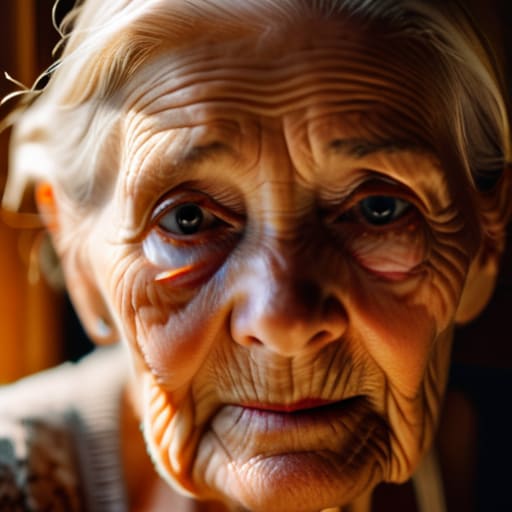
Before you even touch the power switch on your strobes, you have to realize that you aren’t just managing light; you’re managing a person’s history. Most photographers make the mistake of trying to “fix” things, which is where they lose the room. If you approach the session with the goal of smoothing everything over, you’ll end up with a sterile, dishonest image. Instead, lean into empathy in portrait photography. It’s about recognizing that the lines around their eyes aren’t flaws to be erased, but a map of where they’ve been. My job isn’t to hide the life they’ve lived, but to frame it so it feels earned rather than weathered.
This means being incredibly intentional with your setup. When I’m dealing with portrait lighting for wrinkles, I steer clear of anything harsh or direct. A single large octa through a heavy diffusion silk is my go-to; it wraps the light around the features without creating those deep, unforgiving shadows that make a subject feel like they’re being interrogated. You want to catch the texture without making it feel like a topographical map of the moon. It’s a delicate balance between clarity and grace.
Key Things to Know
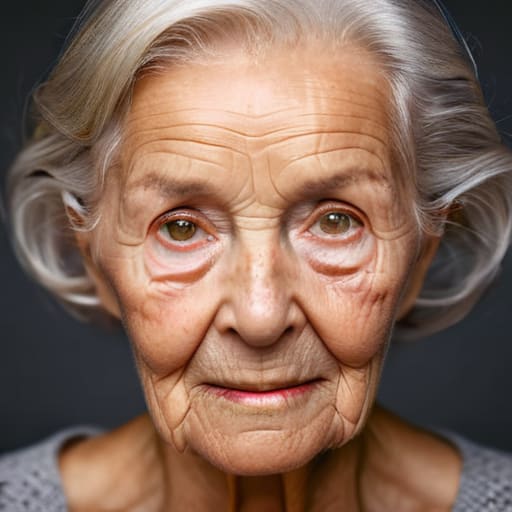
First, let’s talk about the light. You’ll find that the standard “beauty lighting” used for twenty-somethings is a disaster here; it creates micro-shadows that can make a subject look tired rather than distinguished. When I’m working with older clients, I lean heavily into portrait lighting for wrinkles that actually celebrates them. I usually grab a large octabox, place it about four feet away, and angle it slightly to wrap the light around the face. You want to avoid that harsh, directional side-lighting that turns every fine line into a canyon. It’s about finding the balance between depth and softness.
Then there is the physical reality of the session. You cannot expect someone to hold a rigid, “model” pose for twenty minutes. If you try, they’ll freeze, and the expression will look forced and brittle. Instead, focus on posing elderly subjects comfortably by using props—a sturdy chair with arms, a table, or even just their own hands. I always check the height of my tripod; if I’m looking down at them, I’ve already lost the power dynamic. I want to be at eye level, or even a fraction lower, to meet them where they are.
Practical Tips and Steps
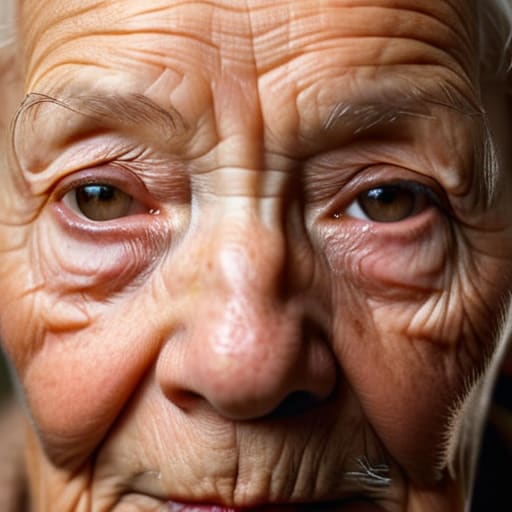
First, let’s talk about the light. If you walk into a room and immediately throw a massive, harsh beauty dish at a subject, you’re asking for trouble. For me, the goal isn’t to erase every line—that looks fake and, frankly, disrespectful. Instead, I focus on portrait lighting for wrinkles by using a large, soft modifier, like a 5-foot octa, positioned slightly off-axis. This wraps the light around the features rather than cutting across them like a knife. If the shadows feel too deep, I don’t reach for a second light; I just grab a white foam board to bounce a little warmth back into the eyes.
When it comes to the actual physical setup, stop thinking about “angles” and start thinking about stability. I’ve learned that posing elderly subjects comfortably is more important than any textbook composition. If they are struggling to hold a certain posture, the shot will look strained, and their discomfort will show in their eyes. Offer a chair with actual back support, not a barstool, and let them find a position that feels secure. Once they aren’t worried about their balance, they can actually start to relax into the moment.
Common Mistakes to Avoid
The biggest mistake I see is the sudden, desperate pivot toward “beautification” through heavy-handed retouching or excessive soft focus. When you try to use soft focus techniques for seniors to mask every line, you aren’t being kind; you’re being dishonest. You end up erasing the very thing that makes the portrait worth taking. If you wash out the texture of their skin, you wash out their history. My rule is to aim for clarity, not erasure.
Another trap is the “pity pose.” I’ve seen photographers try to compensate for a subject’s perceived fragility by posing them in ways that feel patronizing or overly stiff. This is where posing elderly subjects comfortably becomes a technical necessity rather than a suggestion. Don’t treat them like they’re made of glass. If you treat them like they’re fragile, they will act fragile. Instead, focus on the ergonomics of the chair and the stability of their footing. If they feel physically secure, they’ll stop worrying about their posture and start giving you something real to work with.
Final Thoughts
At the end of the day, your job isn’t just to manage the light or check the focus; it’s to manage the energy in the room. If you walk in acting like a technician who is only there to check off a shot list, you’ll get a stiff, guarded image every single time. Real empathy in portrait photography means recognizing that for many of my older subjects, being in front of a lens feels like being under a microscope. They aren’t just “subjects”; they are people with decades of stories, and they can sense when you are looking for flaws rather than looking for them.
Don’t get hung up on trying to hide every line with heavy shadows or awkward angles. If you spend the whole session trying to mask their history, you’ll end up with a portrait that feels dishonest. Instead, focus on capturing character in elderly portraits by leaning into the texture of their life. Use a large, soft modifier—maybe an octa about 120cm away—to wrap the light gently, but let the lines stay. If they feel seen and respected, they’ll stop worrying about their hands or their chin, and that’s when the real magic happens.
Five things to do before you even touch the power switch
- Watch the light, but watch their eyes more. If you’ve set up a beautiful, soft Rembrandt light with a 5-foot octabox but the subject is squinting because the window behind them is pouring in midday sun, you’ve failed. It doesn’t matter how “cinematic” the setup is if they look like they’re in pain. Soften the light, even if it means losing that crisp edge you wanted.
- Manage the temperature of the room. I’ve learned the hard way that a subject who is shivering cannot pose. If they are cold, their shoulders hunch, their posture stiffens, and they look defensive rather than dignified. If the studio is drafty, get a heater in there or wrap up in a sweater. A warm subject is a relaxed subject.
- Be ruthless with your chair selection. Don’t force someone into a high, narrow stool just because it looks “editorial” or keeps their spine straight. If they need a sturdy armchair with actual back support to feel secure, give them the armchair. A subject who feels physically unstable will never give you a natural expression.
- Watch the hands (my personal obsession). When I see hands starting to fidget or grip a lapel too tightly, it’s a signal that the tension is rising. Don’t just tell them to “relax”—that’s useless advice. Instead, give them something to do, or suggest a specific, gentle placement, like resting a hand lightly on a thigh or holding a prop.
- Control the clock, not just the shutter. Older subjects often have more energy at specific times of day, or they might need more frequent breaks to simply sit and breathe. Don’t try to power through a three-hour session. It is much better to do forty minutes of high-quality, gentle work than two hours of fighting against fatigue and diminishing patience.
## The Human Element
Stop obsessing over whether you should soften the wrinkles or sharpen the eyes; if you spend the first twenty minutes treating them like a lighting setup instead of a person, they’ll hold their breath and freeze, and no amount of expensive glass is going to fix a portrait that feels like an interrogation.
Iwona Krawczyk
The Last Word
At the end of the day, shooting older subjects isn’t about mastering a specific lighting ratio or knowing exactly which focal length softens a jawline—though a large, soft octabox at about four feet won’t hurt. It’s about managing the friction between the person in the chair and the environment you’ve built. It’s about remembering that the shadows we see aren’t just light values; they are the maps of a life lived. If you focus too much on hiding the wrinkles, you end up hiding the person. Keep your kit simple, watch your light, and most importantly, listen to what they aren’t saying about how they feel in that moment.
If you walk away from a session feeling like you’ve captured a soul rather than just a high-resolution file, you’ve done the work. Don’t get so caught up in the technical perfection of the frame that you forget the human sitting in front of it. The best portraits—the ones that actually make people stop scrolling—are the ones where the subject feels seen, not just observed. Go into your next session with your eyes open to the room and your heart open to the subject. That is where the real photography happens.