
I once spent forty minutes chasing a client around a courtyard in July, trying to find a “perfectly soft” patch of shade that didn’t exist, only to realize I was fighting a losing battle against physics. Every photography course tells you to wait for the golden hour or hide under a canopy, but sometimes the schedule doesn’t allow for a nap and a sunset, and you just have to figure out how to shoot a portrait in direct sun without making your subject look like they’re being interrogated by a spotlight. It isn’t about having a more expensive lens or a magic filter; it’s about realizing that the sun is a blunt instrument and you need to learn how to negotiate with it.
I’m not going to give you a list of gear you can’t afford or tell you to wait for the “perfect” light that never comes. Instead, I’m going to tell you how I actually handle it: the specific distances I keep from my subjects, the way I use a simple white foam board to bounce a little life back into their eyes, and the compromises you have to make when the shadows are deep and unforgiving. This is about the messy, sweaty reality of getting the shot when the light is working against you.
Understanding How to Shoot a Portrait in Direct Sun
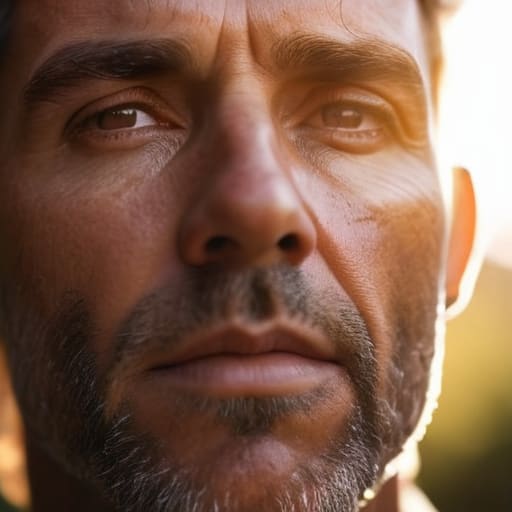
Look, the first thing you have to accept is that the sun isn’t your friend during a midday shoot; it’s a massive, uncooperative light source that wants to turn your subject’s face into a topographical map of deep shadows and blown-out highlights. Most beginners try to fight it by cranking their shutter speed or hiding behind a lens, but you aren’t just fighting physics; you’re fighting the human element. If you don’t address the harshness immediately, your subject will spend the whole session squinting, which makes them look tense, uncomfortable, and—frankly—unprofessional.
The trick to managing high contrast shadows isn’t about finding a way to turn the sun off, but about learning how to fill the gaps it leaves behind. I’ve spent way too many afternoons realizing that the difference between a disaster and a usable shot is simply knowing when to stop chasing the light and start shaping it. Whether you’re using a reflector for portraits to bounce some of that intensity back into the eye sockets or you’re making the tactical decision to abandon the open field entirely, you have to be proactive. You can’t just wait for the “golden hour” to save you; you have to learn how to negotiate with the light you actually have.
Key Things to Know
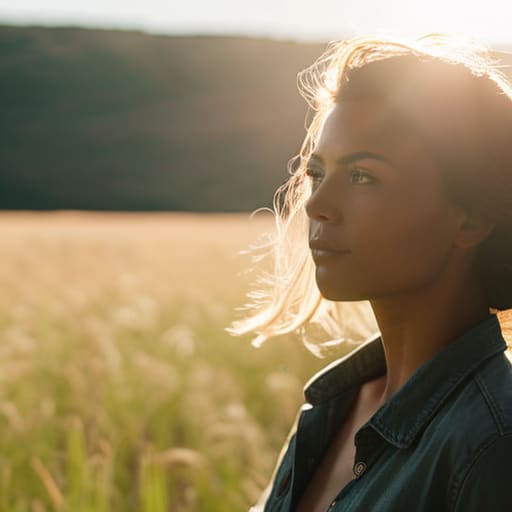
First, let’s talk about the shadow situation. When you’re stuck in the middle of a field at 1:00 PM, you aren’t just fighting light; you’re fighting the geometry of the face. The sun will dive right under the brow bone and the nose, creating those nasty, dark pockets that make people look like they’re in a noir film they didn’t audition for. Managing high contrast shadows isn’t about making them disappear entirely—that looks fake—it’s about making them soft enough that the subject doesn’t look like they’re being interrogated.
If you can’t move the person, you have to move the light. I’ve spent more time than I’d like to admit using a reflector for portraits just to bounce a little bit of that harshness back into the eyes. It’s a physical struggle, especially if the wind is picking up, but a silver disc is often the only thing standing between a decent shot and a face full of black voids. If you can’t find a reflector, look for a wall or even a white car. Anything that acts as a secondary, softer source will help fill those gaps.
Practical Tips and Steps
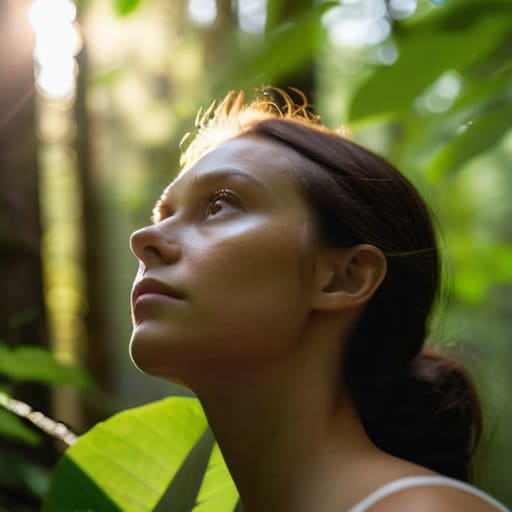
First, stop trying to fight the sun with sheer willpower and start looking for the edges of things. If you can’t move the client, find a way to manipulate the light hitting them. I often find myself finding open shade for portraits by positioning the subject just at the lip of a building or under a thick canopy of trees. You want that soft, directional light that wraps around the face rather than the vertical, punishing light that creates those raccoon eyes. If you’re stuck in the open, you’ll need to get comfortable with managing high contrast shadows by using a white foam board or a silver reflector to bounce some life back into the dark side of their face.
When you are actually clicking the shutter, don’t trust your meter blindly. The sky is a massive light source that’s trying to trick your camera into underexposing everything. I usually lean on a bit of exposure compensation for bright sun to ensure the skin tones don’t turn muddy or grey. It’s a constant dance of adjusting your settings to keep the highlights from blowing out while making sure you don’t lose the texture in the shadows. Keep your eyes on the subject’s eyes, not the light meter.
Common Mistakes to Avoid
The biggest mistake I see—and I’ve made it myself when I was still assisting—is trying to fight the sun with sheer willpower rather than physics. People think they can just crank up the shutter speed and call it a day, but they end up managing high contrast shadows that look more like ink blots than skin tones. If you see those harsh, black lines cutting under a subject’s nose or eyes, stop. You aren’t winning a battle against the solar system; you’re just losing the portrait.
Another trap is the “more is better” fallacy. I’ve seen beginners try to throw three different flashes and a massive softbox into a field to compensate, only to create a mess of competing light sources that looks totally unnatural. Instead of overcomplicating the gear, focus on overcoming midday sun challenges by simplifying. If you aren’t using a reflector for portraits to gently bounce a little life back into those dark eye sockets, you’re probably just making the shadows deeper. Don’t let your ego dictate the lighting; let the environment do the heavy lifting.
Final Thoughts
Look, at the end of the day, don’t let the heat or the glare paralyze you. If you spend the whole session staring at your light meter and worrying about the physics of the sky, you’re going to miss the actual human being in front of you. Most of the time, overcoming midday sun challenges isn’t about having a magical piece of gear; it’s about having the guts to move the subject five feet to the left or telling them to tilt their chin up just a fraction more to hide those raccoon eyes.
If you can master the art of managing high contrast shadows, you’ve already won half the battle. You don’t need a five-light setup to make a portrait work when the sun is being a bully. Sometimes, all you need is a bit of patience, a decent understanding of exposure compensation, and the ability to stay calm when the light changes in thirty seconds. Just keep moving, keep watching the eyes, and remember that the light will always move, whether you’re ready for it or not.
Five ways to stop fighting the sun and start working with it
- Find a “micro-shade” situation. If you can’t move the client to a forest or a building shadow, use a large white foam core board or a heavy umbrella held just above their head. It’s not about blocking the sun entirely; it’s about softening that brutal top-down light so they aren’t squinting into a nightmare of high-contrast shadows.
- Watch the nose shadows. In direct sun, the shadow from the nose often becomes a dark, distracting triangle that ruins a perfectly good face. If you see this happening, have them tilt their chin up slightly or move them just a few inches toward a more diffused patch of light. It’s a tiny adjustment that saves a lot of retouching time later.
- Use your eyes to hunt for “open shade” within the chaos. Even in a bright field, there is often a pocket of light under a single tree or the side of a wall that feels much more forgiving. I’ve spent twenty minutes walking a client around a courtyard just to find that one specific square meter where the light doesn’t feel like a physical assault.
- Expose for the skin, not the sky. The camera will want to make everything look “correct,” which usually means the subject’s face will end up underexposed and muddy while the background turns into a white void. Overexpose for the face slightly. You can fix a blown-out sky in post, but you can’t do much for a face that’s lost all its detail to shadow.
- Check the eyes for “catchlights.” Direct sun can make eyes look flat and dead, or worse, like two black holes. You need to make sure there is a glimmer of light reflecting in their pupils. If they are staring into a bright sky, they’ll look miserable; if they are looking toward a light source—even a bright patch of ground—you’ll get that spark that makes a portrait feel alive.
The Sun is Not Your Friend
Forget everything you learned about “golden hour” for a second; when you’re staring down high noon, your job isn’t to make the light look pretty, it’s to manage the chaos. You aren’t fighting the sun, you’re fighting the squint, the harsh shadows under the nose, and the client’s sudden urge to hide in the car. Find a patch of shade, grab your largest diffuser, and remember: a well-placed shadow is a lot easier to fix in post than a face that looks like it’s being interrogated by a spotlight.
Iwona Krawczyk
The Bottom Line
At the end of the day, shooting in direct sun isn’t about finding a magical setting on your camera; it’s about managing the chaos of the environment. You need to be ready to move your subject into the shadow of a building, use a reflector to fill those brutal eye sockets, or simply accept that the light is going to be high-contrast and work with that drama rather than fighting it. Remember that a diffuser or a simple piece of white foam core can be the difference between a shot that looks accidental and one that looks intentional. If you keep an eye on the squinting and stay mindful of the shadows falling across the nose, you’ve already won half the battle.
Don’t let a bright sky or a lack of a studio setup intimidate you into thinking you can’t get a good portrait. Some of the most striking images I’ve ever taken happened when the light was at its most unforgiving, forcing me to be more decisive and more creative with my positioning. The sun might be a jerk, but it’s also the most consistent light source you’ll ever have if you know how to dance with it. Stop waiting for the “perfect” overcast day and just start shooting with what you have in front of you.
