
Stop looking for a magic spreadsheet or a complex formula to tell you how to price a photography job; those templates are usually written by people who have never had to deal with a client changing their mind thirty minutes before a shoot. I spent eight years assisting, and if there is one thing I learned, it’s that you aren’t actually losing money because your gear is outdated—you’re losing it because you’re underestimating the chaos. You think you’re charging for sixty minutes of shutter time, but you’re actually paying for the two hours of frantic emailing, the extra light stand you had to lug up three flights of stairs, and the mental energy it takes to calm a subject who is convinced they look terrible in every frame.
This isn’t a lecture on business theory; it’s a set of notes from someone who has actually had to balance the books after a disaster. I’m going to show you how to build a rate that accounts for the unseen friction of a real shoot. We’re going to talk about the real math: the time spent prepping the room, the cost of your own sanity, and why you need to stop charging for the click and start charging for the solution.
The Hidden Cost of the Room How to Price a Photography Job
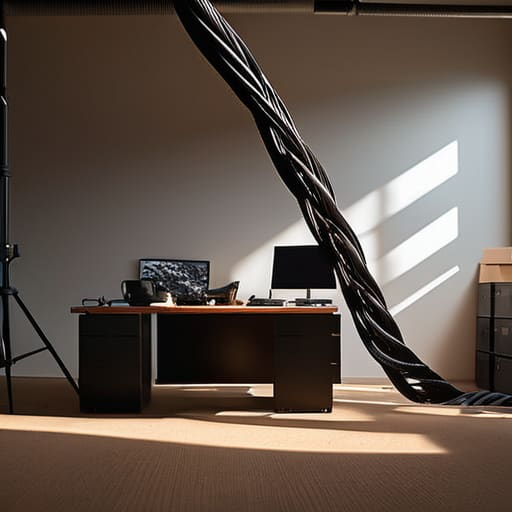
When I’m looking at my books, I’m not just looking at the time I spent behind the shutter. I’m looking at the time I spent hauling a heavy C-stand up three flights of stairs because the studio didn’t have an elevator, or the hour I spent hunting for a power outlet that wasn’t behind a heavy velvet curtain. Most people struggle with calculating overhead costs for photographers because they only count the obvious stuff—the software subscriptions and the lens insurance. They forget the “room cost.” If a shoot takes place in a cramped, poorly lit corner of a client’s office, that lack of space is a direct tax on your efficiency. You’ll spend more time moving lights around obstacles than actually composing a shot, and that time needs to be reflected in your quote.
This is where most people trip up when deciding between hourly vs project based photography pricing. If you go with a flat project fee, you better have already factored in the “chaos tax.” If the room is a nightmare or the client’s “quick shoot” turns into a three-hour battle with window blinds, a flat rate can quickly eat your margins alive. I’ve learned to build a buffer into every invoice—not as a hidden fee, but as a realistic acknowledgment that the environment is never as cooperative as the mood board.
Calculating Overhead Costs for Photographers and Their Chaos
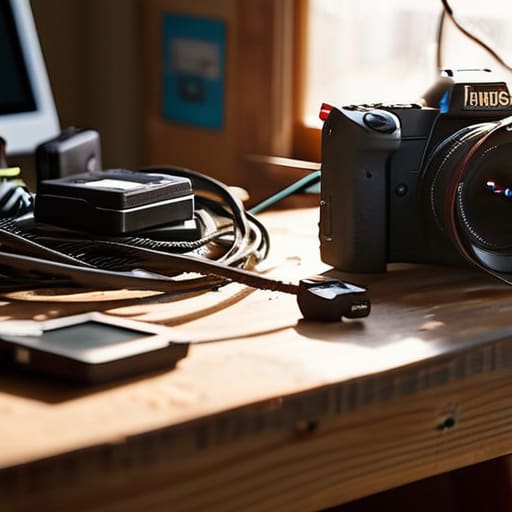
When you start calculating overhead costs for photographers, most people make the mistake of only counting the obvious stuff—the subscription to your editing software or the rent for that studio space you barely use. But overhead is messier than that. It’s the cost of the SD cards you lose, the light bulbs that pop mid-shoot, and the sheer amount of electricity it takes to run a heater in a drafty studio during a winter portrait session. If you aren’t accounting for the gradual decay of your gear and the mundane consumables that keep a shoot running, your math is broken before you even pick up the camera.
You also need to factor in the “invisible” time. This is where most people’s freelance photography profit margins go to die. It’s the hour spent driving to a location only to find the parking is a nightmare, or the forty minutes spent emailing a client back and forth because they can’t decide between two different backdrops. If you are only charging for the time your finger is on the shutter, you aren’t running a business; you’re just paying for a very expensive hobby. You have to build a buffer into your rates for the friction of reality.
Beyond the Shutter How to Value Photography Skills Truly

When I started out, I thought I was being paid for the time I spent behind the lens. I’d look at my clock, see two hours of shooting, and think, “That’s it. That’s the job.” But that’s a lie we tell ourselves to feel better about the math. You aren’t just charging for the click of the shutter; you are charging for the decade it took you to learn exactly which way to tilt a reflector to stop a client from looking like they’re squinting in a wind tunnel. Understanding how to value photography skills means realizing you are selling your ability to navigate a crisis—like a sudden change in weather or a subject who has decided they hate their own face—without breaking a sweat.
This is where most people trip up when deciding between hourly vs project based photography pricing. If you charge by the hour, you are essentially punishing yourself for being efficient. The faster and more confident you become, the less you earn. Instead, you need to price the outcome and the expertise required to get there. You have to factor in the mental heavy lifting: the pre-shoot consultation, the way you manage a nervous CEO, and the specific technical decisions made in the heat of the moment. That’s the real value.
Hourly vs Project Based Photography Pricing Choosing Your Battle
I’ve seen so many talented assistants transition to commissions only to get trapped in the hourly rate cycle. It feels safe, like you’re being paid for every minute you’re actually on set, but it’s a trap. When you charge by the hour, you are essentially punishing yourself for being efficient. If I can set up a single light, find the perfect window light, and get the shot in forty minutes because I’ve done this a thousand times, why am I being penalized for my speed? Hourly vs project based photography pricing isn’t just a math problem; it’s a choice about how much you want to be held hostage by a ticking clock.
Project-based pricing allows you to bake in the “chaos tax” we talked about earlier. Instead of watching the clock while a client debates which tie looks better, you price the outcome. This is how you protect your freelance photography profit margins. You aren’t just selling sixty minutes of your time; you are selling the expertise required to navigate a subject who thinks they “photograph badly” and the technical ability to make a cramped studio look like a high-end set. When you move to project fees, you stop selling minutes and start selling the result.
Protecting Freelance Photography Profit Margins From Changing Minds
We’ve all been there: you’ve scoped the studio, prepped the lighting, and mentally rehearsed the shot list, only for the client to decide halfway through that they actually want “something more lifestyle” instead of the structured corporate portraits they booked. If you don’t account for this mid-shoot pivot, you aren’t just losing time; you are actively eroding your freelance photography profit margins. When the brief shifts, the technical requirements shift with it. Suddenly, that single light setup you planned is insufficient, and you’re scrambling to find modifiers that weren’t in the original plan.
To survive this, you have to stop treating your quote as a static number and start treating it as a boundary. My best photography client negotiation tips usually boil down to one thing: define the scope of work with surgical precision in your contract. If they want to change the mood, the location, or the number of deliverables after the invoice is signed, that isn’t a “creative tweak”—it’s a new job. Don’t be afraid to charge a revision fee or a “scope creep” surcharge. If you don’t protect your time, you’ll find yourself working for pennies while trying to manage someone else’s indecision.
Photography Client Negotiation Tips for When Everything Goes Wrong
Negotiation isn’t about winning an argument; it’s about setting boundaries before the first light is even plugged in. When a client pushes back on your quote, they aren’t usually attacking your talent—they’re trying to solve their own budget anxiety. My rule is to never just drop your price. If they want a lower number, you must remove something from the scope. If they want the same deliverables for less money, you aren’t negotiating; you’re just subsidizing their project with your own unpaid labor.
I’ve learned that the most effective photography client negotiation tips involve being incredibly specific about what “extra” looks like. If they suddenly want three extra headshots or a different lighting setup halfway through the call, don’t just say yes to be helpful. That is how you bleed out your freelance photography profit margins. Instead, frame it as a choice: “I can certainly add those extra portraits, but that will move us into a different tier of service to cover the additional editing time.” It keeps the conversation professional and, more importantly, keeps you from working for free.
Five ways to stop leaving money on the table
- Stop quoting for the shutter time and start quoting for the mental load. If a client asks for “just one quick shot” but spends forty minutes debating whether they look better in navy or charcoal, you aren’t being paid for a photo; you’re being paid for a consultation. Your quote needs to reflect the time you spend managing their indecision, not just the time you spend clicking the button.
- Build a “Chaos Buffer” into every project estimate. I don’t call it a contingency fee because that sounds like I’m expecting failure, but I always add a margin for the inevitable—the broken light stand, the extra hour of location scouting because the sun isn’t where the map said it would be, or the client who realizes halfway through that they actually wanted a video instead of a portrait.
- Price the usage, not just the session. If you’re shooting a headshot for a local florist, that’s one price. If that same headshot is going to be the face of a national ad campaign, your fee should look very different. You aren’t just charging for your talent and your gear; you are charging for the value that image creates for their business.
- Separate your gear rental from your day rate. If a job requires a specific lighting kit or a specialized lens that you don’t keep in your daily kit, charge for it as a line item. Don’t absorb the cost of specialized equipment into your personal labor rate; that’s how you end up working for free just to keep your kit updated.
- Get the “Final Vision” in writing before you move a single light. The most expensive mistake you can make is pricing a simple studio portrait and then having the client decide, once you’ve already set up, that they actually want a lifestyle shoot in a park. If the scope creeps, the price creeps. Period.
The Real Math of the Session
Stop trying to calculate your rate based on how many times you press the shutter; you need to price for the hour you spend untangling cables, the thirty minutes you spend calming a client who thinks they look terrible, and the two hours of mental exhaustion that follow. If you only charge for the click, you aren’t a professional—you’re a hobbyist with an expensive bill.
Iwona Krawczyk
The Bottom Line (Is More Than Just a Number)
At the end of the day, pricing isn’t a math problem you solve once and forget; it’s a living, breathing part of your workflow. You have to account for the messy reality of the studio—the extra hour spent fixing a light that won’t stay put, the client who decides mid-shoot that they actually want a different vibe, and the mental energy it takes to manage a nervous subject. If you only charge for the time your finger is on the shutter, you aren’t running a business, you’re just subsidizing someone else’s project with your own stress. Make sure your quotes reflect the actual chaos of the job, from the overhead of your gear to the inevitable pivots in a client’s vision.
Don’t let the fear of “pricing yourself out” keep you from charging what the work is actually worth. I spent years assisting before I realized that my value wasn’t in owning a specific sensor or a fancy modifier, but in my ability to walk into a room and make sense of the mess. When you price with confidence, you aren’t just covering your costs; you are setting the stage to do your best work without resentment simmering in the background. Stop treating your expertise like a hobby and start treating it like the essential professional service it is. Now, go fix your rates and get back to the work that actually matters.