
Stop looking at your CRM or buying that overpriced “luxury client experience” masterclass. If you think a fancy PDF welcome guide or a gold-foiled business card is the secret to how to keep a client coming back, you’ve been reading the wrong blogs. I spent eight years assisting pros who had the most expensive gear and the most polished workflows, yet they were still constantly chasing new leads because their clients felt like just another booking on a Tuesday morning. Real retention isn’t about the paper you print your invoices on; it’s about the way you handle the thirty minutes of pure, unadulterated panic a subject feels right before you even turn the lights on.
I’m not here to give you a sanitized checklist of “touchpoints.” Instead, I want to talk about the messy, unscripted stuff—the way you manage a CEO who suddenly decides they hate their own face, or how you navigate a room when the lighting setup is failing and the clock is ticking. I’m going to show you how to build a reputation based on competence and calm, because that is the only thing that actually makes someone pick up the phone and call you again next year.
It Isnt the Gear Its How to Keep a Client Coming Back
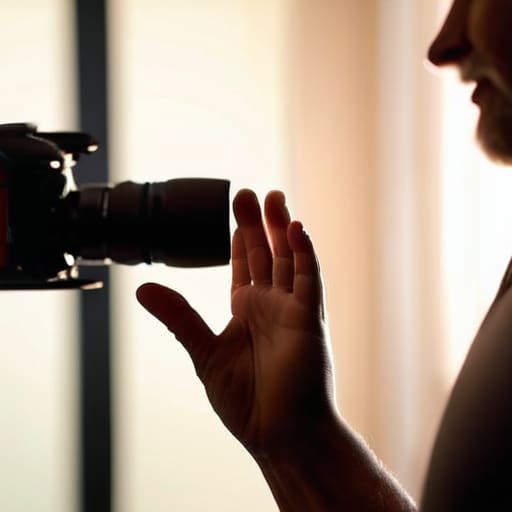
I’ve spent enough years hauling heavy light stands through cramped studio spaces to know that a client doesn’t book a second session because you have the latest Sony sensor. They book because they felt seen, even when they were sweating under a key light or panicking about their chin. If you want to focus on improving client experience, stop looking at your gear list and start looking at how you handle the twenty minutes before the shutter even clicks. It’s about the way you manage the temperature of the room and the way you listen when they tell you they feel awkward.
Realistically, building long-term business partnerships isn’t about some complex customer loyalty program or a points system; it’s about proactive client management. It’s sending that follow-up email two days later—not just to say “thanks,” but to tell them exactly which frame made you stop breathing for a second. When you treat the relationship as something that exists outside of the paid hour, you aren’t just a vendor anymore. You become the person they trust with their image, and that is how you actually build a sustainable practice.
Improving Client Experience When the Subject Decides They Photograph Badly

When a subject decides they photograph badly, the shoot stops being about lighting and starts being about psychology. I’ve seen it happen a dozen times: the person looks in the monitor, sees a shadow they didn’t expect, and immediately shuts down. At that point, your technical skill is useless if you can’t manage the energy in the room. This is where improving client experience actually happens—not through a fancy retouching preset, but by being the person who stays calm when they start to spiral. I usually stop, move the light three feet to the left to soften the jawline, and tell them, “The camera is just being difficult today, not you.”
You can’t fix a bruised ego with a discount code or some hollow customer loyalty program. If they leave the studio feeling like they’ve failed a test, they won’t care how much you charge next year. You have to prove that you are a partner in the process, someone who can navigate their insecurity without making it a “thing.” It’s about proactive client management—anticipating that moment of doubt and having a physical adjustment ready to go before they even have the chance to apologize for “looking awkward.”
Proactive Client Management for When the Room Goes Wrong

Sometimes the “room going wrong” isn’t a lighting failure; it’s the fact that the client showed up late, the office is freezing, or their CEO just called to change the entire brief ten minutes before we start. When that happens, you can’t hide behind your technical settings. You have to lean into proactive client management by being the person who stabilizes the chaos. If the schedule is slipping, don’t just apologize—reorganize. I’ve learned that if I can manage the frantic energy of a disorganized shoot, I’m not just a photographer anymore; I’m a collaborator they can actually rely on.
This is where the real work of improving client experience happens. It’s about noticing the tension in their shoulders before they even sit down. Instead of rushing to set up my strobe, I might spend five minutes just talking through the logistics or grabbing a water. It sounds trivial, but these small, human interventions are what actually drive building long-term business partnerships. People don’t book you again because you have the sharpest sensor; they book you again because you were the only person in the room who didn’t panic when everything went sideways.
Client Communication Best Practices for the Fickle and the Changed
The problem with the “fickle” client isn’t that they are difficult; it’s that they are often just terrified of looking foolish. When a client calls three days before a shoot to change the entire concept from “approachable CEO” to “dark, moody intellectual,” they aren’t trying to sabotage you. They are reacting to a sudden spike of imposter syndrome. My approach to client communication best practices is to stop treating these pivots as inconveniences and start treating them as data points. If they change their mind, it means they don’t feel safe with the original plan.
Instead of telling them why the new idea won’t work with the lighting we’ve already prepped, I ask them to describe the feeling they’re chasing. This shift from technical logistics to emotional intent is how you actually start building long-term business partnerships. You aren’t just a vendor providing a service; you become the person who understands their brand’s evolution. When you manage the panic rather than the schedule, you stop being a line item in their budget and start becoming an essential part of their workflow.
Building Long Term Business Partnerships Beyond the Single Shutter Click
Stop thinking about your next shoot and start thinking about the next three years. Most photographers treat a booking like a transaction—a quick exchange of files for cash—but that is a fast track to burnout and constant hunting. If you want to move away from the feast-or-famine cycle, you have to stop being a vendor and start building long-term business partnerships. This means knowing that a company’s headshots need refreshing every eighteen months, or that a founder’s personal brand evolves alongside their startup. You aren’t just there to click a shutter; you are there to maintain their visual identity.
I don’t do fancy customer loyalty programs with punch cards or points; that feels cheap and transactional. Instead, I focus on proactive client management by keeping a loose, unforced rhythm of contact. I’ll send a quick note when I see an article relevant to their industry, or a brief check-in when I know they’re heading into a busy season. It’s about being a person in their professional orbit, not just a name in their inbox. When you become a reliable fixture in their workflow, you aren’t just a photographer anymore—you’re part of the team.
Customer Lifetime Value Optimization Through the Chaos of Real Work
We tend to talk about customer lifetime value optimization as if it’s some mathematical equation involving spreadsheets and marketing funnels, but in a studio, it’s much messier. It’s actually about how you handle the moment the lighting rig fails or the client realizes they’ve booked the wrong date. When you navigate that chaos without panicking, you aren’t just fixing a technical error; you are demonstrating why they need you for the next five years. People don’t stay loyal to a brand because of a fancy discount code; they stay because you were the one who kept your cool when the room fell apart.
Instead of chasing theoretical customer loyalty programs, focus on the tiny, granular ways you can prove your worth during the friction points. If a shoot runs twenty minutes over because the subject was struggling with their posture, don’t just rush them out the door to stay on schedule. Use that extra time to offer a direction they didn’t expect, or a way to salvage a shot that felt lost. That level of proactive client management is what turns a one-off commission into a career-long partnership.
The things they actually remember (and the things they don't)
- Don’t send a gallery link and disappear into the ether. Send a personal note that acknowledges the specific chaos of the day—like that moment the light failed or the client’s kid started running circles—so they know you were actually in the room with them, not just clicking a button.
- Master the “pre-shoot interrogation.” I always ask people what they do with their hands when they’re nervous; it breaks the ice and shows them you’ve already anticipated their discomfort. If you solve a problem they didn’t even know they had, you’re a professional, not just a vendor.
- Stop over-delivering on technical perfection and start delivering on emotional relief. A client won’t remember if you used a Profoto or a Godox, but they will remember that you kept your cool when the studio AC died and they were starting to sweat through their blazer.
- The “one extra” rule. If you’re shooting a corporate team, grab one candid, unprompted shot of the boss laughing or looking human. It’s the shot they didn’t ask for, but it’s the one they’ll end up using for their LinkedIn profile for the next three years.
- Own the mistakes immediately. If a shot comes out slightly off because the light was wonky or the timing was rushed, tell them. Don’t try to “fix it in post” and hope they don’t notice; tell them how you’ll handle it next time. Transparency builds more loyalty than a flawless, soulless portfolio ever will.
The real reason they return
They aren’t coming back because you used a Profoto strobe or a particularly sharp prime lens; they’re coming back because when the lighting failed or they felt like a total disaster, you were the one person in the room who didn’t panic and actually knew how to fix the mess.
Iwona Krawczyk
The long game
At the end of the day, keeping a client isn’t about having the sharpest sensor or the most expensive softbox in your kit. It’s about how you handled the moment the lighting failed, the moment the subject started apologizing for their face, or the moment the schedule fell apart. You win them back by being the person who actually manages the chaos instead of just documenting it. If you can navigate the messy, unscripted reality of a shoot—the changing minds and the nervous hands—and still deliver something that makes them feel seen, you aren’t just a vendor anymore. You become a reliable constant in their professional life.
Stop worrying about whether your gear is cutting edge and start focusing on whether your presence is calming. The technical stuff is easy; the human stuff is where the real work lives. When you stop treating a shoot like a checklist of settings and start treating it like a collaborative problem-solving session, the business side of things tends to take care of itself. People don’t return for the pixels; they return because they trust you to handle the room when everything goes sideways. Now, go fix your lighting and check in on your clients.
