
I once spent forty minutes setting up a softbox and a reflector, only to realize the heat from my lights was making the baby fussy, and the sudden change in room temperature was making the mother visibly anxious. It’s a classic mistake. Most photography blogs will tell you how to achieve that perfect, milky skin tone or how to pose those tiny toes, but they completely gloss over the reality of how to photograph a newborn safely when you’re actually in the room. You can have the most expensive lighting kit in the world, but if you haven’t accounted for the temperature of the space or the stability of your props, you aren’t doing your job.
I’m not here to sell you a dream of effortless, sleeping angels. I want to talk about the stuff that actually matters: managing the chaos, keeping the environment controlled, and making sure the baby is secure even when you’re trying to get that one specific angle. This isn’t a lesson in gear; it’s a notebook on the practical logistics of working with a tiny, unpredictable subject. We’re going to skip the fluff and focus on the real-world safety measures that keep the shoot professional and the baby comfortable.
Beyond the Lens How to Photograph a Newborn Safely
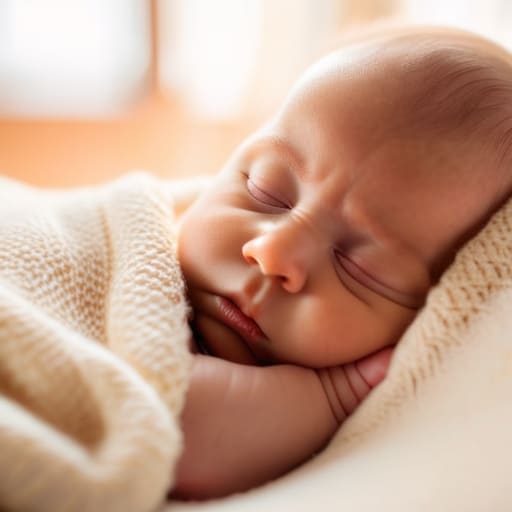
Look, I’ve seen too many photographers get so caught up in the “look” of a shot that they forget they are working with a tiny, fragile human who has zero control over their environment. If you’re working in a studio, your first priority isn’t the lighting setup; it’s the baby photography studio temperature. I always keep my space around 75-80°F (24-27°C). If the baby starts getting fussy or their skin feels cool to the touch, stop. No amount of “perfect” composition is worth a shivering infant.
When it comes to the actual setup, you need to be ruthless about newborn photography props safety. I don’t care how aesthetic that vintage crate looks; if it isn’t weighted, padded, and stable, it stays in the storage cupboard. I also never, ever leave a baby unattended on a beanbag or a prop, even for a second to grab a lens cap. If you have an assistant, their primary job isn’t to hold a reflector—it’s to be a second pair of eyes on the baby’s positioning. We aren’t just making art; we are managing a tiny, unpredictable environment.
The Environment Is Everything Mastering Baby Photography Studio Temperature
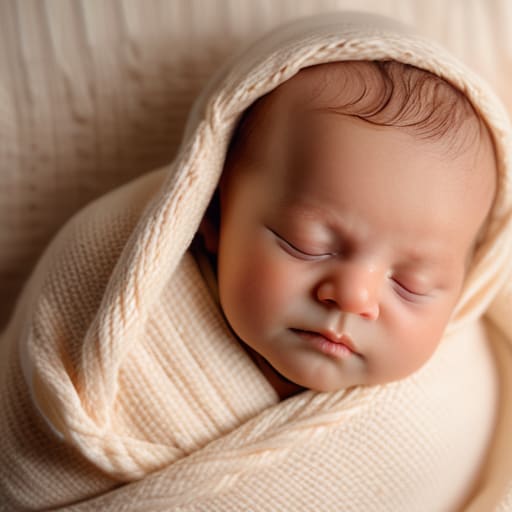
If you’re waiting until the baby starts shivering to turn up the heat, you’ve already lost the session. Newborns have zero ability to regulate their own body temperature, and once they get a chill, that sleepy, “milk-drunk” look disappears instantly, replaced by a fussy, red-faced meltdown. I always aim for a baby photography studio temperature that feels borderline uncomfortable for me—usually around 75 to 80 degrees Fahrenheit (24–27°C). If I’m reaching for a sweater or feeling a bit sweaty under my lights, the baby is likely finally warm enough to settle into a pose.
I’ve learned the hard way that your lighting setup actually complicates this. If you’re using continuous lights, they provide some ambient warmth, but if you’re running strobes, you’re essentially working in bursts of heat followed by sudden drops. You have to compensate. I keep a small space heater tucked behind a prop or just out of frame to maintain a consistent baseline. It’s not about being cozy; it’s about creating a controlled microclimate where the baby can stay deeply asleep without their metabolic rate spiking just to stay warm.
Light Without Risk Navigating Safe Newborn Photography Lighting
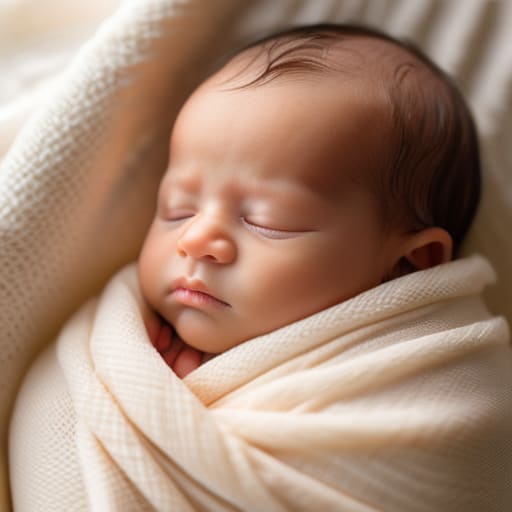
I’ve seen too many photographers get so caught up in chasing that perfect, creamy wrap-around light that they forget they’re working with a tiny, fragile human. If you’re using strobes, please, for the love of everything, keep them far away from the baby. I don’t care how much you want to see the catchlight in their eyes; a sudden flash can startle a newborn into a frantic movement that puts them at risk. I prefer a large, softbox positioned at a 45-degree angle, several feet back, or better yet, just leaning into the soft, directional light from a north-facing window.
When it comes to safe newborn photography lighting, the goal is consistency and softness, not drama. If you are working with a second person—and I highly recommend having someone in an infant photography assistant role to act as a spotter—make sure they aren’t standing so close to the lights that they’re creating shadows or, worse, blocking the airflow. We aren’t just managing light; we are managing the entire physical space around the child. Keep the modifiers large and the light source indirect. It’s much easier to fix a slightly underexposed frame in post than it is to fix a panicked parent.
Managing the Chaos Essential Newborn Posing Safety Tips
Here is where the “art” of photography meets the reality of being a glorified babysitter. When we talk about newborn posing safety tips, we aren’t talking about achieving the perfect, gravity-defying “froggy pose” you see on Instagram; we are talking about the fact that babies aren’t meant to hold themselves up. Most of those seamless shots are actually composite images—two photos merged in post-production so the baby’s head is actually being supported by a hand or a cushion that gets edited out later. If you try to do those poses solo without a spotter, you aren’t being a creative genius; you’re being reckless.
If you’re working with an assistant, this is exactly where their infant photography assistant roles become vital. I never, ever attempt a complex setup without a second set of eyes. One person handles the light and the camera, while the other is physically inches away from the baby, ready to catch them or adjust a prop. It’s about managing the physics of a tiny, sleeping human. Always prioritize physical stability over the aesthetic of the shot. If a pose looks precarious, it probably is. Abandon it. The client might want a masterpiece, but they want their baby in one piece more.
The Hidden Dangers Newborn Photography Props Safety and Sids Prevention
I’ve seen too many photographers get seduced by a beautiful vintage crate or a fluffy, oversized basket and completely forget that a sleeping infant isn’t a prop—they’re a person with zero motor control. When you’re working with props, the rule is simple: if it isn’t stable, it doesn’t go in the frame. I always check for wobbles before the baby even enters the room. If you’re using a basket, it needs to be weighted at the bottom, and you should never, ever leave a child unattended in it. I’ve learned the hard way that a slight tilt in the floor or a heavy-handed movement can turn a cute shot into a disaster.
This extends to how we handle the actual positioning. Part of my newborn posing safety tips involves a strict “hands-on” policy; if a baby is in a seated or propped position, a hand (or a spotter) should be a fraction of an inch away at all times. We also have to talk about the heavy stuff, like preventing SIDS during photo shoots by ensuring the baby’s airway is always clear and they are never placed on soft, loose bedding that could obstruct their breathing. It’s not the most glamorous part of the job, but it’s the part that actually matters.
The Human Element Defining Critical Infant Photography Assistant Roles
Look, I know the temptation to go solo is huge—it’s cheaper, and you don’t have to coordinate schedules. But if you’re doing real newborn work, trying to manage a lighting setup, a heavy reflector, and a sleeping infant simultaneously is a recipe for disaster. This is where defining clear infant photography assistant roles becomes a matter of professional survival rather than just convenience. I never step into a session without someone whose primary job isn’t the camera, but the baby.
An assistant shouldn’t just be a glorified gear-mover; they are your second set of eyes and hands. While I’m focusing on the composition or adjusting the softbox for safe newborn photography lighting, they are monitoring the baby’s airway, checking for skin temperature, and ensuring no one is accidentally bumping a prop. You need one person dedicated to the “safety sweep”—watching the environment while you watch the frame. It’s about creating a buffer between the technical demands of the shoot and the fragile reality of the subject. If you’re too busy fighting with a tripod to notice a baby shifting into an unsafe position, you’ve already lost the session.
The Unspoken Checklist: Five Real-World Safety Habits
- Trust your gut over the shot list. If a pose looks “perfect” but requires the baby to be propped in a way that feels precarious or unnatural, scrap it. A beautiful photo isn’t worth a single second of instability.
- Keep the “hands-on” rule constant. Even if you think a baby is dead to the world, never leave them unattended on a beanbag or prop. I always have an assistant or a parent within arm’s reach—literally close enough to touch them if they shift.
- Sanitize the tactile stuff, not just the gear. It’s not just about wiping down your camera body; it’s about the blankets, the wraps, and the wooden crates. If it touches their skin, it needs to be clean, or you’re just inviting a breakout.
- Watch the heat, even if the thermostat says it’s fine. Babies can’t regulate temperature like we can, and if you’re using heavy wool wraps or thick posing blankets, they can overheat fast. If the baby starts looking flushed or lethargic, the session is over.
- Stop the “forced” composite shots. You see those Pinterest photos where a baby is sitting up or resting their chin on their hands? Those are almost always two photos merged in Photoshop. Never, ever try to recreate those physically in the studio; it’s a recipe for a neck injury.
The Real Priority
You can have the most expensive softbox in the world and the perfect composition, but if you aren’t watching the baby’s breathing or checking the temperature of that prop, you aren’t doing your job. In this room, the safety of the kid comes before the light, every single time.
Iwona Krawczyk
The Final Check
At the end of the day, a successful newborn session isn’t measured by how many “perfect” shots you got on your memory card, but by how much control you maintained over the environment. We’ve talked about everything from keeping the studio temperature high enough to prevent a chill, to the non-negotiable rule of never leaving a baby unattended in a prop, and why your assistant is your most important piece of equipment. It’s easy to get tunnel vision when you’re looking through the viewfinder, but you have to remember that safety isn’t a checklist you complete once; it is a continuous, active process that runs parallel to your shutter clicks. If the lighting is safe, the props are stable, and the room is warm, you’ve already won the hardest part of the battle.
I know it feels like a lot of extra weight to carry while you’re trying to be creative, but that’s the reality of this specific niche. You aren’t just a photographer here; you are a temporary guardian of a very fragile subject. When you stop worrying about whether your composition is “artistic” enough and start focusing on the stability of the setup, you actually find more freedom to be creative. The best images come when you aren’t second-guessing your gear or your lighting, but when you are so confident in your safety protocols that you can finally just breathe and see the shot.
