
I can still feel that specific, gritty crunch in my teeth from a shoot in Cornwall three years ago. I had spent the morning obsessing over the light hitting my subject’s face, thinking I was being so careful, only to realize later that a fine, invisible layer of silt had managed to migrate into my lens barrel. It doesn’t matter how many “weather-sealed” boxes you buy or how much you spend on professional-grade cases; if you don’t understand the physics of a breeze, you’re going to learn how to protect gear in sand the hard way—by listening to your autofocus motor grind like it’s eating gravel.
I’m not here to sell you a specific brand of expensive, over-engineered dry bag that promises the moon. Instead, I want to talk about the unsexy realities of field work: the way you pack your bags, the specific way you swap lenses when the wind picks up, and why your tripod legs are secretly magnets for grit. This isn’t a gear review; it’s a set of notes on how to keep your kit from becoming a very expensive paperweight before the sun even goes down.
The Desert Is a Thief How to Protect Gear in Sand

The desert is a thief: how to protect gear in sand
Sand is a patient, microscopic predator. It doesn’t just sit on your gear; it hunts for the smallest gap in your weather sealing to find its way into the mechanics. I’ve seen it happen during a simple sunset shoot: a tiny grain gets caught in a zoom ring, and suddenly you’re hearing that sickening, gritty crunch every time you adjust your focal length. If you think your professional-grade weather sealing makes you invincible, think again. There is a massive difference between weather sealing vs sand protection; one is designed for a light drizzle, the other is a desperate struggle against an environment that wants to grind your internals into dust.
When you’re working in these conditions, your first line of defense isn’t a fancy case, it’s your behavior. I never swap lenses in the open air if I can help it. I keep my gear inside a zipped bag, and if I have to change, I do it with the camera body facing the ground, creating a physical shield. Even then, you have to be obsessive about avoiding abrasive particles on sensors. One stray gust while the cap is off and you’re looking at a cleaning job that usually ends with me swearing at a sensor that should have been pristine.
When Weather Sealing Fails Against the Weight of Grit
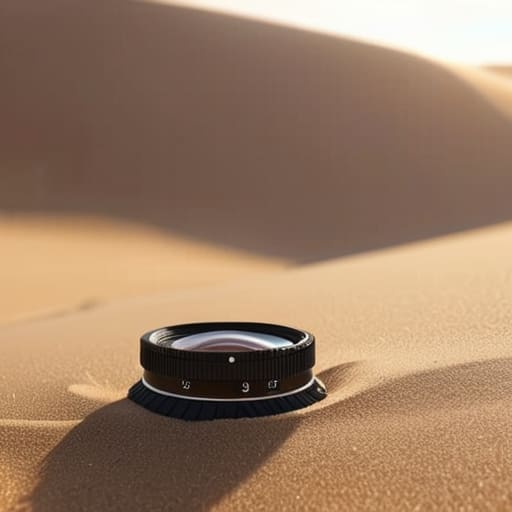
Here is the reality check: “Weather-sealed” is a marketing term that implies a certain level of invincibility, but it’s mostly designed for a light drizzle or a bit of humidity. It is not a promise of immunity against fine, microscopic grit. I’ve seen it happen on a dozen shoots—you think you’re safe because you’re using a professional body, but then a gust of wind kicks up, and suddenly you’re dealing with weather sealing vs sand protection in the most literal, painful sense. The seals are meant to keep moisture out, but they aren’t always a vacuum against particles that are small enough to find their way into the knurling of your zoom ring or the tiny gaps around a battery door.
Once that grit gets into the mechanical parts, it doesn’t just sit there; it acts like sandpaper. If you aren’t careful with preventing sand in camera bodies during a transition from a bag to a tripod, you’ll hear that sickening, gritty crunch when you turn a dial. At that point, you aren’t just looking at a cleaning job; you’re looking at permanent mechanical wear. If you feel even a hint of resistance in your lens barrel, stop. Don’t force it. Just stop.
Preventing Sand in Camera Bodies Before the Damage Begins
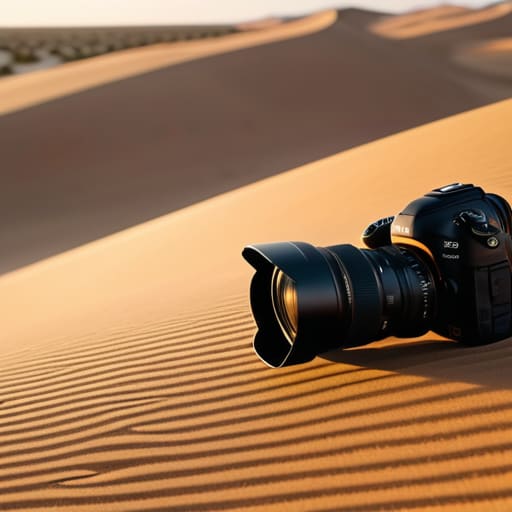
If you’re waiting until you see grit in the zoom ring to take action, you’ve already lost. The real trick to preventing sand in camera bodies is managing your physical footprint. I never set my gear bag directly on the ground; even a seemingly clean patch of dunes is a minefield of microscopic silica. Use a dedicated tarp or, if you’re like me and tend to forget things, just use your rain cover as a makeshift ground cloth. It’s better to be slightly paranoid about a piece of plastic than to be explaining a grinding autofocus motor to a client later.
Another mistake I see constantly is the “quick lens swap” in the open air. Every time you pull a lens off, you are essentially inviting the environment to perform a hostile takeover of your sensor. If you have to change glass, do it inside a bag, under a jacket, or at the very least, facing away from the wind. It’s a clumsy way to work, but avoiding abrasive particles on sensors is worth the awkwardness. You can have the most sophisticated weather sealing in the world, but sand is patient; it will find the one millimeter of clearance you didn’t account for.
The Invisible Enemy Avoiding Abrasive Particles on Sensors
The sensor is the most vulnerable part of your kit, and in a coastal environment, it’s essentially a magnet for disaster. When you’re swapping lenses to catch that specific light, you aren’t just fighting the wind; you’re fighting microscopic grit that wants to settle right on the glass. I’ve learned the hard way that even if you think you’re being careful, a single gust can turn a routine lens change into a nightmare. Avoiding abrasive particles on sensors isn’t just about being tidy; it’s about survival. If a grain of sand hits that sensor while you’re cleaning it, you aren’t just dealing with a speck of dust—you’re looking at a permanent scratch.
My rule of thumb is to never, ever change a lens if there is even a hint of a breeze. If you absolutely must, do it with your back to the wind and your body acting as a human shield. Most people focus on the heavy-duty stuff, but real camera lens maintenance at the beach starts with how you manage the air around your gear. Keep your sensor cap on, keep your lens caps on, and for heaven’s sake, don’t let your camera face the sky while it’s open.
Coastal Survival and Cleaning Salt Spray From Electronics
If sand is the thief, then salt spray is the slow-motion poison. I learned this the hard way during a coastal wedding shoot where the wind picked up, and suddenly, everything felt slightly tacky. You think you’re safe because you have a weather-sealed body, but there is a massive difference between weather sealing vs sand protection; seals are designed to keep moisture out, but they aren’t a magic shield against the microscopic, corrosive crystals that find their way into every dial and button. Once that salt dries, it’s not just grit—it’s a chemical agent that wants to eat your electronics from the inside out.
The trick to cleaning salt spray from electronics isn’t a heavy-duty scrub; it’s about immediate, gentle intervention. If you feel that tell-tale stickiness on your zoom ring or the menu buttons, don’t just wipe it with a dry cloth—you’ll likely just smear the salt into the crevices. Use a slightly damp, distilled water cloth to lift the residue before it crystallizes. If you’re doing serious camera lens maintenance at the beach, keep a dedicated microfiber and a blower in a sealed dry bag. Treat your gear like it’s made of sugar; the ocean is constantly trying to dissolve it.
Camera Lens Maintenance at the Beach a Survival Guide
If you think your weather sealing is a magic shield, the beach will be the first place to humble you. I’ve seen professional rigs with “pro-grade” seals get absolutely shredded because a tiny grain of grit found its way into the zoom ring. When you’re dealing with camera lens maintenance at the beach, your biggest mistake is the “quick wipe.” Never, under any circumstances, take a microfiber cloth to a lens that has even a hint of salt or grit on it. You aren’t cleaning it; you’re just using the cloth to buff those microscopic shards directly into the coating.
Instead, treat your glass like it’s made of sugar. Use a manual air blower—the big rubber ones, not those tiny little keychain puffs—to blast the surface from a distance first. If you can see the salt crust, use a dedicated lens pen or a very gentle wet wipe, but only after the heavy lifting is done with air. It’s about managing the friction. You want to avoid any physical contact that turns a nuisance into permanent scratches. It’s tedious, and it takes twice as long as a standard kit clean, but it’s the only way to ensure your glass doesn’t end up looking like it was scrubbed with sandpaper.
My non-negotiable rules for not turning your kit into a sandblasted mess
- Stop using the tripod as a table. If you’re setting your camera bag or a lens cap on a sandy surface, you’ve already lost. I keep a dedicated, cheap silicone mat or even just a clean piece of heavy canvas in my bag; everything goes on the cloth, never the ground.
- The “one-lens” rule for high-grit environments. If you’re shooting in a place like the dunes in Merzouga, don’t swap glass like you’re in a studio. Every time you open that mount, you’re inviting a micro-abrasive into the sensor chamber. Pick your longest focal length, commit to it, and keep the other lenses sealed in a dry bag.
- Forget the air blower if you can help it. In a desert or on a beach, using a manual blower can sometimes just kick up a cloud of fine dust right into the mechanism you’re trying to clean. Use a soft, dedicated brush to gently sweep the grit away from the edges of the mount before you even think about touching the sensor.
- Treat your zippers like they’re made of glass. Sand loves to migrate into the teeth of your gear bag’s zippers, and once that happens, they become sandpaper. I always wipe down the exterior of my bags with a damp cloth before packing them back into the car, just to make sure I’m not sealing the grit inside for the next trip.
- The post-shoot ritual. When you get back to the hotel or the studio, don’t just toss the gear in a drawer. Take a microfiber cloth—one that hasn’t been used to wipe a greasy fingerprint—and do a perimeter wipe of every seam, button, and dial. If you leave the grit there, it’ll work its way in while the gear is sitting “safely” in your cupboard.
The cost of a single grain
You can spend five years mastering your composition and another five mastering your lighting, but if you let a handful of grit settle into your lens mount because you were too busy chasing the light, you’ve just turned your professional kit into a very expensive, very gritty paperweight.
Iwona Krawczyk
The Cost of Being Careless
At the end of the day, protecting your kit isn’t about being a gear snob; it’s about basic logistics. Whether you’re dealing with fine desert silt or the heavy, salt-crusted grit of a coastline, the damage happens in the transitions—the moment you swap a lens, the second you open your bag to find a battery, or when you think a quick wipe with a shirt is “good enough.” If you don’t manage the environment and your own habits, you’ll eventually find yourself staring at a scratched sensor or a seized zoom ring. Keep your gear in sealed bags, use a dedicated air blower instead of your breath, and for heaven’s sake, never use a dry cloth on a lens that has sand on it. It’s the difference between a successful shoot and a very expensive trip to the repair shop.
I’ve spent enough years in the studio and on location to know that the best gear in the world won’t save you from a lack of foresight. But once you’ve done the boring work—the packing, the sealing, and the meticulous cleaning—you can actually stop worrying about the equipment. You can stop looking at your feet and start looking through the viewfinder. The sand will always be there, and the wind will always try to find a way inside your kit, but if you respect the elements, you won’t let them steal your focus. Go out, get messy, and just make sure you’re ready for the cleanup when the light starts to fade.
