
I once spent forty minutes in a drafty studio with a CEO who had decided, mid-session, that his chin was “too much of a chin,” and all the expensive lighting modifiers in the world couldn’t fix the fact that he was physically recoiling from my voice. Most photography courses will tell you to use “positive reinforcement” or “softened verbal cues,” as if you can just sprinkle some magic dust on a command to make it palatable. But let’s be real: the struggle of how to give direction without sounding bossy isn’t about your vocabulary; it’s about the terrifying power dynamic that shifts the moment you pick up a camera. You aren’t just a person with a lens anymore; you’re a person with a job to do, and when the subject starts to freeze, your politeness becomes your biggest enemy.
I’m not here to give you a list of “kind words” to memorize. Instead, I want to talk about how to manage the energy in the room so you can actually get the shot without making your client feel like they’re being interrogated by the police. We’re going to look at the mechanics of movement, the way you use your body to mirror theirs, and how to frame a correction as a shared experiment rather than a personal failure. This is about steering the session with enough authority to get results, but enough warmth that they actually want to come back to you next year.
The Room Is the Variable Why Directing Is Never About the Gear
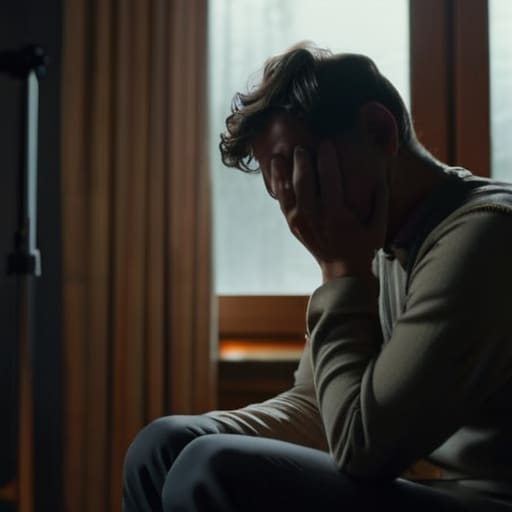
You can spend forty thousand pounds on a medium format system and a set of prime lenses, but that gear won’t do a damn thing if the energy in the room is curdling. I’ve sat in studios where the lighting was mathematically perfect, yet the portraits looked like hostage negotiations. Why? Because the photographer was so focused on their settings that they ignored the fact that the subject was physically recoiling from the space. Directing isn’t about technical mastery; it’s about reading the non-verbal communication cues that tell you when a client has just gone from “collaborative” to “completely shut down.”
When things go sideways, it’s rarely a shutter speed issue. It’s usually that the client’s spouse just made a comment, or the air conditioning is blowing directly onto the subject’s neck, making them twitchy. You have to treat the session like a delicate ecosystem. If you approach the person as a technical problem to be solved rather than a human being in a high-pressure environment, you’ve already lost. It’s about managing the atmosphere, not just the aperture.
Mastering How to Give Direction Without Sounding Bossy
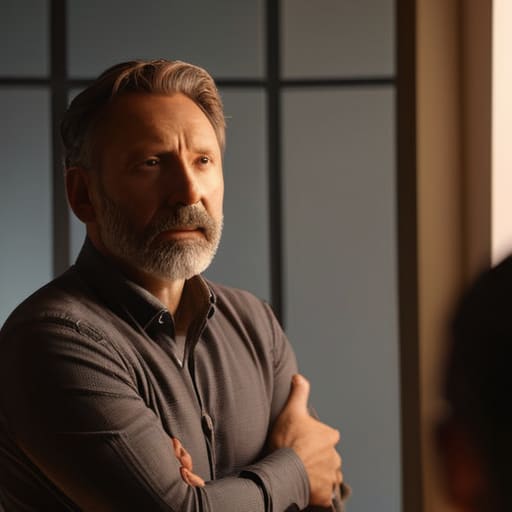
The trick isn’t about finding a magic phrase; it’s about the difference between being a director and being a dictator. When I’m working with a CEO who looks like they’d rather be anywhere else, I don’t bark orders. Instead, I use non-verbal communication cues to set the pace. If I need them to tilt their chin down, I don’t say “Chin down.” I’ll say, “Try bringing your chin just a fraction toward your collarbone,” while I subtly mimic the movement myself. It’s less about giving a command and more about offering a suggestion that they can opt into.
You also have to master the art of assertive vs aggressive communication. Aggression is telling a subject they look stiff; assertiveness is noticing the tension in their shoulders and saying, “Let’s take a second to shake out the tension so the pose feels more natural.” You aren’t critiquing their body; you are managing the energy in the room. If you approach it as a collaborator rather than a judge, they stop performing for you and start working with you.
Assertive vs Aggressive Communication Protecting the Creative Vibe
There is a very thin, very dangerous line between being the person in charge and being the person everyone wants to leave the room when. I’ve seen it happen: a photographer gets a bit of tension in the air, panics, and starts barking orders to compensate for their own nerves. That isn’t leadership; it’s just noise. Understanding assertive vs aggressive communication is the difference between a session that feels like a partnership and one that feels like an interrogation. If you’re shouting “chin down” like it’s a military drill, you haven’t lost control of the shoot—you’ve lost the subject’s trust.
The goal is to use constructive feedback delivery that feels like a suggestion rather than a correction. When I need a client to shift their weight, I don’t tell them they look awkward; I tell them the light is hitting them better if they lean just an inch toward the window. It’s about reading the non-verbal communication cues—the tightened jaw, the crossed arms—and adjusting your tone before the mood curdles. You aren’t there to dominate the space; you’re there to navigate it.
Soft Skills for Managers Navigating the Human Element
You aren’t managing a corporate department, but when a shoot starts falling apart, you’re suddenly using the same high-stakes soft skills for managers use to keep a team from imploding. It’s about reading the room before you even touch a dial. If your subject is shrinking into their shoulders, you don’t bark a command to “stand taller”; you acknowledge the tension. You have to master those subtle non-verbal communication cues—the way they avoid eye contact or the way they start fidgeting with their sleeves—and address the energy, not just the posture.
The goal is to move from being a person with a camera to being a facilitator of confidence. I’ve found that the most effective way to steer a session is through a kind of quiet authority. It’s not about being the loudest voice in the studio; it’s about being the most stable one. When you provide direction, frame it as a shared experiment rather than a correction. Instead of saying “Your chin is too low,” try “Let’s try tilting your head just a fraction toward the light and see how that feels.” It’s a tiny shift, but it keeps them on your side of the lens.
Non Verbal Communication Cues Reading the Silence in the Studio
Sometimes the loudest thing in the studio is the silence after you’ve asked for a pose change. If you ask a subject to tilt their chin and they do it, but their shoulders hike up to their ears, you haven’t actually succeeded. You’ve just won a battle you didn’t want to fight. This is where non-verbal communication cues become more important than anything you actually say. I’ve spent years watching people’s eyes dart toward the exit or seeing their hands tighten into fists when they feel cornered. If you see that tension, stop talking about the light. Stop adjusting the scrim. Just breathe with them for a second.
Mastering this requires a level of emotional intelligence in the workplace—or in this case, the studio—that most gear tutorials completely ignore. If you sense they are shrinking, don’t double down with a command. Instead, pivot. Change the music, ask them a question about their morning, or move your position in the room to break the intensity. You aren’t just managing a shoot; you’re managing a nervous system. When you read the silence correctly, you realize that the most effective direction often happens when you aren’t speaking at all.
Empowering Team Members Through Collaborative Leadership Techniques
When I was assisting, I watched photographers treat their assistants like glorified tripod holders. It’s a mistake that kills the energy in the room. If you want a killer shot, you need your team actually looking at the light, not just waiting for a command. Using collaborative leadership techniques doesn’t mean you’re asking for permission to move a softbox; it means you’re inviting your assistant to help you solve the problem of that weird shadow hitting the subject’s chin. When they feel like they’re part of the solution, they stop being passive and start being proactive.
This is where emotional intelligence in the workplace actually matters in a studio setting. It’s about recognizing when your second shooter is overwhelmed or when your lighting assistant is second-guessing a gel choice. Instead of barking orders, try framing the technical hurdle as a shared mission. If you’re practicing constructive feedback delivery—saying “Let’s try moving that reflector two inches left” instead of “You put that in the wrong spot”—you aren’t just being nice. You’re maintaining the momentum so the client doesn’t feel the tension.
Five ways to steer the ship without sinking the mood
- Stop using “I need” and start using “Let’s try.” When I tell a subject, “I need you to chin down,” I can see their shoulders hike up to their ears because they feel like they’re being corrected. If I say, “Let’s try tilting the chin just a fraction toward the light,” it becomes a shared experiment rather than a command. We’re both looking for the same thing.
- Use the “Question as Direction” trick. Instead of telling someone their posture is stiff, ask, “How does it feel if you shift your weight to your back leg?” It forces them to inhabit their body to answer you, and in doing so, they usually find the relaxed pose you were trying to dictate in the first place.
- Narrate the ‘Why’ behind the ‘What.’ If I suddenly ask a client to move three feet to the left, they usually think I’m just being difficult. If I say, “Let’s move you just a bit left so we can catch that window light hitting your eyes,” they aren’t being moved; they’re being helped. People are much more cooperative when they understand the light is the boss, not you.
- Give them a job for their hands. This is my go-to when the tension in the room gets thick. Instead of saying “Stop fidgeting,” I’ll say, “Can you hold this lapel?” or “Just rest your hands on the back of the chair.” Giving a nervous subject a physical task gives them a sense of control, which stops them from feeling like a specimen under a microscope.
- The “Positive Sandwich” is a lie; use the “Correction + Affirmation” instead. Don’t tell them what’s wrong and then follow it with a fake compliment. Just fix the technicality and immediately lock in the win. “Chin down just a bit—yes, exactly like that, that’s the look.” You aren’t managing their ego; you’re just confirming they’ve found the mark.
The Illusion of Control
You aren’t there to bark orders like a drill sergeant; you’re there to be the person who knows exactly where the light is going to land. If you stop acting like a commander and start acting like a navigator, they won’t feel like they’re being managed—they’ll feel like they’re being led.
Iwona Krawczyk
The Last Word Before the Shutters Close
At the end of the day, directing isn’t about exerting dominance; it’s about managing the invisible friction in the room. We’ve talked about reading the silence, protecting the creative vibe from your own nervous energy, and understanding that when a subject freezes, it’s rarely because they’ve forgotten how to pose—it’s because they’ve lost their sense of safety. You aren’t there to be a dictator, but you also can’t be a spectator. You have to be the steady hand that guides the light and the mood, balancing that thin line between being a helpful collaborator and a professional who actually knows how to get the shot before the sun goes down or the client’s patience runs out.
If you find yourself overthinking every word, just remember that your subjects are usually just as terrified of looking foolish as you are of failing the brief. They are looking to you to decide what is “good.” When you step into that role with empathy rather than ego, the bossiness disappears and is replaced by something much more useful: clarity. Stop worrying about whether you sound authoritative and start focusing on whether you sound certain. Because when you are certain, they can finally relax, and that is exactly when the real work begins.