
I once spent three hours in a windowless studio in East London, watching a junior assistant struggle to find a specific gel because I’d handed them a printed PDF of a lighting diagram that looked more like a blueprint for a nuclear reactor than a shoot plan. We weren’t failing because of the gear; we were failing because I hadn’t actually told them why we were using that specific modifier or what to do when the client inevitably decided they wanted “more energy” ten minutes before lunch. If you think a polished, professional document is the secret to how to brief an assistant, you’ve been lied to by every expensive workshop on the internet. A list of tasks is just paperwork; what you actually need is a shared understanding of the impending chaos.
I’m not here to give you a template to download and fill out. Instead, I want to talk about the messy, unglamorous reality of preparing a human being to help you survive a shoot. I’ll show you how to communicate the specific compromises you’re making with your light, how to prep them for the client’s moods, and how to ensure they know exactly where to stand when the room starts to feel too small. This is about building a rhythm, not just delegating a checklist.
The Chaos Before the Click Why How to Brief an Assistant Matters

If you think an assistant is just there to hold a reflector or swap a battery, you’re going to have a very long, very expensive day. Most of the friction on a shoot doesn’t come from a technical failure; it comes from a lack of shared context. If they don’t know that the client is a high-strung CEO who hates being touched, or that we’re working with a single 5-foot octabox in a room with tiny, flickering windows, they can’t help you. You aren’t just handing over a gear list; you are transferring a mental map of the session.
This is where most people fail. They treat the prep like a checklist rather than a strategy. Instead of just dumping tasks, you need to establish actual standard operating procedures for assistants that account for the human element. I need my assistant to know not just where the light stands are, but how I want the room to feel before the subject even walks through the door. If they understand the “why” behind the setup, they stop being a pair of hands and start being an extra set of eyes.
Beyond the List Building Professional Rapport Through Intention
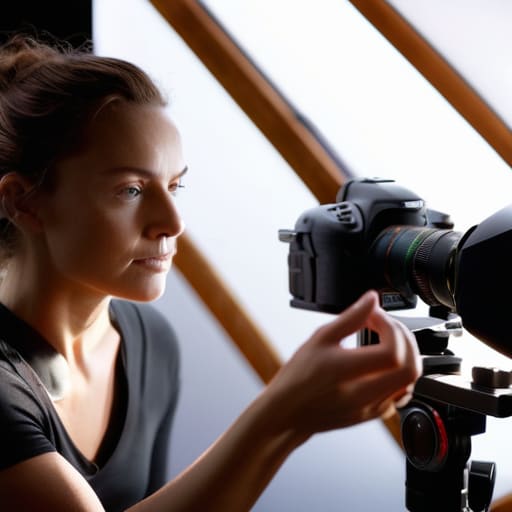
If you treat your assistant like a human checklist, you’ve already lost the rhythm of the shoot. I learned this early on when I spent three years thinking a list of gear was enough, only to realize my assistant was terrified to touch the lighting because I hadn’t actually trusted them with the nuance of the setup. Building professional rapport isn’t about being their best friend or grabbing drinks after a long day of wedding portraits; it’s about showing them that you see their role as an extension of your own eyes. When they understand why you’re choosing a specific scrim over a bounce card, they stop being a pair of hands and start being a partner in the room.
This requires more than just a quick text the night before. You need to establish some kind of unspoken shorthand—a way of communicating that doesn’t require a full sentence while you’re mid-sequence with a difficult subject. Instead of just handing over a pile of batteries, explain the stakes. If you’re working with a tight window and a client who is already checking their watch, tell them. When they know the pressure points, they can anticipate the pivots before you even have to ask.
Standard Operating Procedures Designing the Room for Success

Standard Operating Procedures: Designing the Room for Success
I’ve learned that a shoot falls apart long before the first strobe fires if the physical space is a mess. You can’t just tell an assistant to “get ready”; you need to establish actual standard operating procedures for assistants regarding the gear and the environment. This means having a set way the light stands are spaced so no one trips over a sandbag, and a specific ritual for checking the battery levels of every wireless trigger. If they don’t know exactly where the backup gels live or which way the softbox should be angled for a specific catchlight, you’ll spend half your session playing scavenger hunt instead of directing the talent.
It’s about creating a predictable environment so you can focus on the person in the chair. I treat my gear setup like a pre-flight checklist. Before we even invite the client into the room, I want the power strips taped down, the tethering cable routed safely away from the walking path, and the lens cleaning kit within arm’s reach. When you build these small, repeatable habits, you aren’t just managing equipment; you are protecting the creative flow from the inevitable friction of a busy studio.
Effective Delegation Strategies for the Overwhelmed Creative
Stop trying to be the hero who does everything. When I was assisting, I saw photographers burn out because they treated their assistants like expensive tripod holders rather than collaborators. If you want to actually scale, you need to implement effective delegation strategies that move beyond just “hold this reflector.” You have to stop thinking in terms of tasks and start thinking in terms of outcomes. If I tell an assistant to “watch the light,” they’ll stare at the strobe; if I tell them “watch the shadow on the subject’s chin,” they become part of the creative process.
This requires more than just a quick chat before the first client arrives; it requires actual task management frameworks that exist outside of the shoot itself. Whether you are managing a local assistant or you’re at the stage of onboarding a virtual assistant to handle your booking chaos, the principle is the same: give them the context, not just the command. Don’t just tell them to edit the files; tell them the mood of the session and which specific skin tones we’re struggling to nail. If they don’t know the why behind the work, they can’t help you when the gear inevitably fails.
Onboarding a Virtual Assistant Without Losing Your Mind
When you move from a physical assistant who can grab a lens cap to someone behind a screen, the distance can feel like a void where your creative control goes to die. Onboarding a virtual assistant isn’t about teaching them how to use your software; it’s about teaching them how you think. If you just dump a pile of unorganized invoices and half-finished emails into their inbox, you aren’t delegating—you’re just outsourcing your own clutter. You need to build a bridge of context. Instead of saying “fix the schedule,” tell them, “I need a buffer of thirty minutes between shoots because I usually spend that time cleaning my gear and catching my breath.”
The secret to not losing your mind is establishing communication workflows that don’t require you to live in your inbox. I don’t want a Slack notification every time a client asks for a reshoot; I want a single, organized digest at the end of the day. Use a simple task management framework so you can see progress without having to ask “is this done yet?” every hour. If you don’t set those boundaries early, you’ll find yourself working twice as hard just to manage the person who was supposed to be helping you.
Clear Performance Metrics When the Subject Isnt the Problem
When I was assisting, I used to think a “bad shoot” meant the lighting was off or the lens was soft. It wasn’t. Usually, it was just that we hadn’t defined what a “win” looked like before we even turned on the strobes. If you’re working with someone new, you can’t just say, “Make sure the files are organized.” That’s too vague. You need to be talking about setting clear performance metrics that actually mean something in the heat of a session—like, “The backup drive must be verified every thirty minutes,” or “The client’s coffee needs to be refilled before they finish the first set.”
Without these specific benchmarks, you end up micromanaging, which kills the creative flow for everyone. Whether you are implementing task management frameworks for a long-term hire or just working with a freelancer for a single day, the goal is to remove the guesswork. If they know exactly what a “completed” task looks like, they don’t have to look at you every five minutes for validation. It turns them from a pair of hands into a proactive part of the room.
Five Things I Wish My First Assistant Had Known
- Stop treating the gear list like a grocery list. If you tell them “bring the modifiers,” they’ll bring everything in the cupboard. Tell them, “We’re doing a tight headshot with a single 5-foot octa, so I need that specific softbox and the grid, not the whole kit.” Specificity prevents the mid-shoot scramble for a piece of plastic that’s currently buried under a pile of cables.
- Brief them on the client’s “energy” before they walk through the door. I don’t care if it’s a corporate CEO or a nervous author; I need my assistant to know if they’re walking into a room that requires professional distance or a room that needs a warm, conversational buffer. If the client is a “hand-wringer,” my assistant needs to know so they can be ready to help steady a prop or a piece of clothing.
- Define the “Quiet Zones.” There is nothing more distracting than an assistant trying to find a charging cable right next to a subject’s ear while I’m trying to get a delicate expression. Tell them exactly when the room needs to be silent and when they have the green light to move around, swap batteries, or tidy up the background.
- Give them “The Pivot Plan.” I’ve learned the hard way that the lighting setup we planned at 9:00 AM is often useless by 11:00 AM because the sun moved or the client decided they want a different “vibe.” Brief them on the backup. “If the natural light dies, we move to the strobe kit immediately—don’t wait for me to ask.”
- Establish a shorthand for the “small disasters.” When a light stand starts to wobble or a battery dies, I don’t want a formal report; I want a signal. Decide beforehand how they should communicate a problem so it doesn’t break the flow of the session or spook a subject who is already feeling self-conscious.
The Real Purpose of a Brief
A brief isn’t a checklist of gear to pack; it’s a map of the minefield. If you don’t tell your assistant that the client is prone to panic or that the north window loses light by 3 PM, you aren’t managing a shoot—you’re just waiting for something to break.
Iwona Krawczyk
The Final Frame
At the end of the day, briefing an assistant isn’t about handing over a checklist of gear or a list of lighting ratios—though they definitely need to know where the 5-foot octabox is kept. It’s about transferring the mental load of the shoot. You’ve covered the SOPs, you’ve set the metrics, and you’ve hopefully figured out how to onboard someone without feeling like you’re drowning in your own workflow. But remember, the goal of a good brief is to ensure that when the client starts sweating or the light shifts unexpectedly, your assistant isn’t just standing there waiting for a command; they are already moving to fix the problem before you even notice it. It’s about building a shared intuition that keeps the shoot from collapsing under its own weight.
Don’t get discouraged if your first few attempts at delegation feel clumsy or if you end up micromanaging a task you should have let go of weeks ago. Learning to trust someone else with the “chaos” part of the job is a skill, much like learning to read a histogram or mastering a difficult modifier. When you finally get it right, you’ll realize that a well-briefed assistant doesn’t just save you time; they give you the psychological space to actually focus on the art. You stop worrying about the battery levels and the tripping hazards, and you start looking at the subject’s eyes. That is when the real work begins.
