
I remember standing in a drafty marquee in North Yorkshire, watching a bridesmaid try to fix a broken heel while the caterers argued about the timing of the salmon. The sun was hitting that perfect, low-angle slant I’d been waiting for all day, but instead of shooting portraits, I was checking my watch and calculating how much of the golden hour we’d just thrown away. Everyone tells you to buy a better planner or a more expensive digital assistant, but let’s be honest: knowing how to handle a wedding timeline that slips has nothing to do with software and everything to do with how you manage the panic in the room.
I’m not here to give you a lecture on project management or suggest you buy a new iPad. This isn’t a course; it’s a notebook of what happens when the plan goes out the window and the bride decides she needs ten more minutes of hairspray. I’m going to show you how to triage your shot list on the fly, how to negotiate with a frantic wedding planner without losing your cool, and how to keep your subjects from feeling the pressure of the clock. We’re going to focus on the messy, unscripted reality of the job.
The Clock Is Not Your Enemy How to Handle a Wedding Timeline That Slips

Stop treating the schedule like it’s written in stone. It isn’t. If you walk into a wedding thinking the timeline is a sacred text, you’re going to spend the whole day vibrating with anxiety the second the hair and makeup station runs fifteen minutes behind. The secret to managing wedding delays gracefully isn’t having a faster shutter speed; it’s deciding, before you even pack your bags, which shots are non-negotiable and which ones are just “nice to have.” When the ceremony starts late, you don’t panic—you just pivot. You skip the formal group shots in the garden and move straight to the candid cocktail hour coverage to make up the time.
This is where your relationship with the planner actually matters. I don’t care how many fancy credentials they have; if they aren’t talking to you, you’re flying blind. Effective wedding vendor coordination means making eye contact with the coordinator the moment you see the tension rising. A quick, whispered, “We’re running behind, should we cut the sunset portraits?” saves you from a frantic sprint through a reception hall later. You aren’t just a person with a camera; you are a professional navigating a moving target.
When the Room Changes Everything Wedding Day Crisis Management

It isn’t always the schedule that breaks; sometimes it’s the physical space. I’ve been in situations where the “perfect” garden ceremony turns into a mud pit ten minutes before the processional, or a reception hall is so cramped that my lighting setup becomes a tripping hazard for the catering staff. This is where true wedding day crisis management kicks in. You can’t fight the rain or the floor plan, so you stop fighting the plan and start looking at the light. If the sun has dropped behind a building and your planned backlight is gone, you don’t panic—you grab your single strobe, move it closer, and accept that the shadows will be harder than you intended.
The key to adjusting wedding schedule on the fly without looking like a frantic amateur is your relationship with the rest of the team. I make it a point to find the wedding coordinator immediately. Don’t approach them with a problem; approach them with a pivot. Instead of saying “we’re behind,” try “the lighting in the courtyard is failing, so we’re going to move the family portraits inside now to save time.” It’s about managing wedding delays gracefully by offering a solution before they even realize the original plan is dead.
The Art of Adjusting Wedding Schedule on the Fly
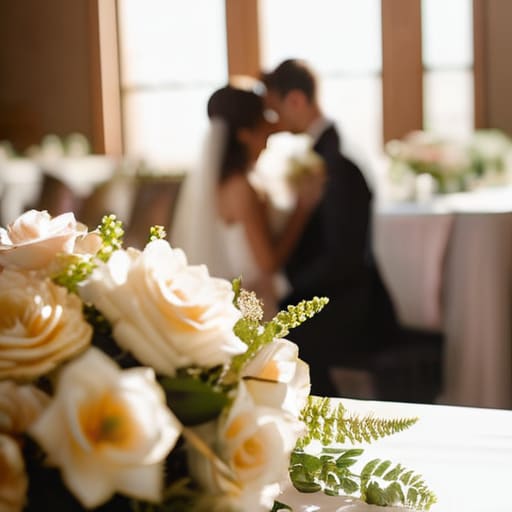
When the schedule starts to fray, your instinct is to tighten your grip, but that’s exactly how you lose the mood. If the bridal party is twenty minutes late because the florist is fighting with a centerpiece, don’t stand there staring at your watch like a disappointed schoolteacher. Instead, look for the gaps. If you were supposed to be shooting formal portraits but the group isn’t assembled, pivot to the “candid” shots of the guests or the decor you haven’t documented yet. Adjusting wedding schedule on the fly isn’t about forcing the clock to move faster; it’s about deciding which shots are non-negotiable and which ones can be sacrificed to save the light.
This is where your relationship with the planner becomes your lifeline. I don’t just wait for instructions; I use active wedding vendor coordination to stay ahead of the chaos. A quick, quiet word to the coordinator—”The family portraits are lagging, should we skip the bridesmaids’ solo shots to catch the golden hour?”—is better than guessing. You aren’t just a person with a camera; you are a professional managing a moving target. If you try to fight the delay, you’ll look stressed, and your subjects will mirror that tension in every frame.
Quiet Conversations Wedding Coordinator Communication Tips for Chaos
When the schedule starts to bleed, you don’t run to the bride; you run to the coordinator. I’ve learned the hard way that trying to fix a collapsing timeline by whispering frantic updates to a nervous client is a recipe for a meltdown. Instead, find your point person—the one with the clipboard or the headset—and have a quiet, lateral conversation. It’s about wedding vendor coordination in its most raw form. You aren’t asking for permission to change your shots; you are proposing a tactical pivot so that the lighting and the energy still work.
Don’t make it a confrontation. If the hair and makeup station is running forty minutes behind, don’t just stand there staring at your watch like a looming threat. Approach them and say, “The portraits are lagging; should we move the cocktail hour photos up or squeeze the family shots into the transition?” This is the core of managing wedding delays gracefully. You’re looking for the path of least resistance. If you and the coordinator are speaking the same language of pragmatism rather than panic, the client won’t even realize the afternoon is a controlled demolition.
Managing Wedding Delays Gracefully Without Losing Your Mind
When the schedule starts to slide, your first instinct is probably to tighten your grip on the gear and stare harder at your watch. Don’t. That tension is visible in your shoulders, and the couple will pick up on it instantly. Instead, focus on managing wedding delays gracefully by becoming the calmest person in the room. If the hair and makeup station is running forty minutes behind, don’t stand there hovering with your lens cap on. Use that time to scout a better light source or find a corner of the venue that isn’t currently being trampled by guests.
The trick to adjusting wedding schedule on the fly without a meltdown is knowing what can be cut and what is sacred. If you’re losing time, you sacrifice the formal group shots of the distant cousins, not the quiet portraits of the bride. It’s about triage. I’ve learned that most of the time, the chaos isn’t actually a disaster; it’s just a shift in energy. If you keep your head, you can turn a frantic delay into a moment of stillness, rather than letting the clock dictate your mood.
Beyond the Plan Wedding Vendor Coordination and Contingency Planning
You can have the most airtight itinerary in the world, but if you aren’t talking to the florist or the catering lead, you’re essentially flying blind. I’ve learned the hard way that wedding vendor coordination isn’t about being the boss; it’s about being the person who notices the appetizers are being served ten minutes early, which means the speeches are going to hit a wall. I make it a point to find the person in charge of the food and the person in charge of the music within the first twenty minutes. If they look stressed, I know my window for those sunset portraits is about to shrink.
Effective wedding day contingency planning means having a mental list of “if/then” scenarios that have nothing to do with your lens. If the cake cutting gets pushed back because the father of the bride is giving an unscheduled toast, I don’t just stand there looking awkward. I pivot to the guest table shots or find a quiet corner for those requested family portraits. You have to treat the vendor team like a single organism; when one part slows down, the whole thing shifts, and you need to be ready to move with it.
The Survival Kit: 5 Ways to Keep the Ship From Sinking
- Stop chasing the shots you missed. When the schedule slips by forty minutes, the “must-have” list from the morning is already dead. Stop trying to resuscitate it. Pivot immediately to the high-value, low-effort shots—the couple alone, the immediate family, the key decor—and let the granular details go. You can’t photograph a sunset if you’re still stuck in a bridal suite because the florist was late.
- Carry a “buffer” kit that isn’t for your camera. I’m talking about high-protein snacks, extra hairpins, and maybe a pack of gum. When the timeline collapses, the energy in the room turns sour fast. If you’re running on fumes and caffeine jitters, the subjects will feel it. You need to be the calmest, most fed person in the room to keep the subjects from spiraling into “we’re behind schedule” panic.
- The “One Light” Philosophy for Chaos. When you’re losing light because the ceremony ran long, don’t start hunting for your heavy modifiers or trying to set up a complex three-point lighting rig in a dark reception hall. Strip it back. Grab your single most reliable strobe and a medium beauty dish, or just lean into the available light and a reflector. Complexity is the enemy of a delayed schedule.
- Master the “Gentle Pivot” conversation. Never tell a client, “We’re behind, so we aren’t doing the portraits.” That sounds like a failure. Instead, say, “The light is actually shifting beautifully right now; let’s skip the large group shots and grab some intimate moments of just you two so we don’t miss this glow.” You aren’t losing shots; you are prioritizing the mood.
- Know your “Cut List” before you arrive. On my way to a wedding, I mentally decide which shots are negotiable. If the cocktail hour is eating into my portrait time, I know exactly which secondary family groupings I’m going to suggest we combine or skip entirely. If you don’t decide what’s expendable before the chaos starts, the chaos will decide for you.
The Realities of the Clock
Stop obsessing over your shot list and start watching the room; the schedule isn’t a contract, it’s a suggestion, and you’ll survive the day much better by prioritizing the couple’s mood over the exact minute you were supposed to capture the cake cutting.
Iwona Krawczyk
The Shot List is a Lie
At the end of the day, you have to accept that the timeline you spent three weeks perfecting is essentially a suggestion. We’ve talked about the logistics—the way you need to lean on the coordinator, how to pivot your lighting when the sun decides to hide behind a cloud ten minutes early, and why you shouldn’t panic when the bridal party is stuck in traffic. You can manage the vendors and you can manage the room, but you can’t manage the chaos itself. Your job isn’t to force the wedding back onto a spreadsheet; it’s to navigate the drift without letting the tension show in your eyes or, more importantly, in your subject’s posture.
When the schedule finally collapses and you’re shooting portraits in the dark or rushing through dinner, remember why you’re there. People don’t remember if the cocktail hour ran late, but they do remember if their photographer looked like they were having a breakdown. If you stay calm, they stay calm. Stop staring at your watch and start looking at the light, the emotion, and the people. The best images usually happen in the unscripted gaps between the chaos, so just breathe, adjust your aperture, and trust your eyes more than the clock.
