
I once sat in a studio for three hours watching a “masterclass” photographer try to use some psychological trick involving mirror imaging and forced laughter to get a client to relax. It was exhausting to watch, and frankly, it was fake. If you think you can master how to build rapport in five minutes by following a checklist of “connection hacks” or buying a more expensive lens to look more professional, you’re chasing ghosts. The truth is, rapport isn’t a performance you put on; it’s the ability to stop acting like a technician and start noticing the person standing in your light.
I’m not going to give you a script or a list of icebreaker questions that make you sound like a HR manual. Instead, I’m going to tell you what I’ve learned from a decade of staring at people who are terrified of being seen. We’re going to talk about the actual mechanics of the room—the way you handle the silence, the specific way you ask about their nervous habits, and how to read the tension in a shoulder before you even touch the shutter. This is about the messy, unscripted reality of making someone feel safe enough to actually exist in front of your camera.
Understanding How to Build Rapport in Five Minutes
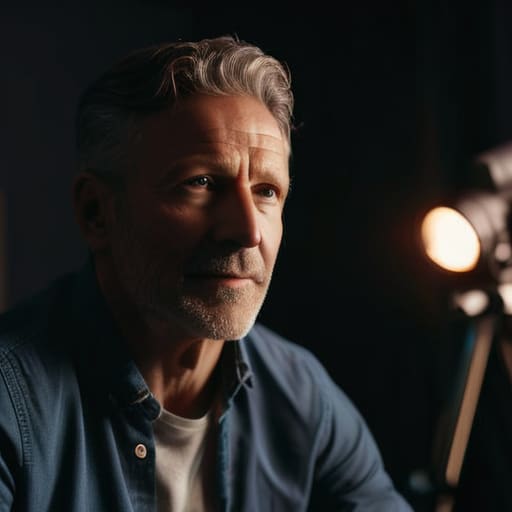
You can’t fake it. If you walk into a studio with a rehearsed script, the person sitting in your chair will smell the bullshit before you’ve even unpacked your lighting kit. Building that initial bridge isn’t about some grand performance; it’s about reading the room and recognizing the subtle nonverbal communication cues that tell you whether they are ready to perform or just waiting for the ordeal to end.
I’ve learned that the most effective way to bridge the gap is through a quiet kind of presence. It’s less about talking and more about active listening techniques—not just hearing their words, but noticing the way they fidget with their sleeves or avoid eye contact. If they are tense, don’t try to power through with forced enthusiasm. Instead, try a bit of subtle mirroring and matching; if they are soft-spoken, bring your energy down to meet them. You aren’t trying to become their best friend; you are just trying to prove that you are a safe person to be seen by. Once they stop holding their breath, the actual work can finally begin.
Key Things to Know
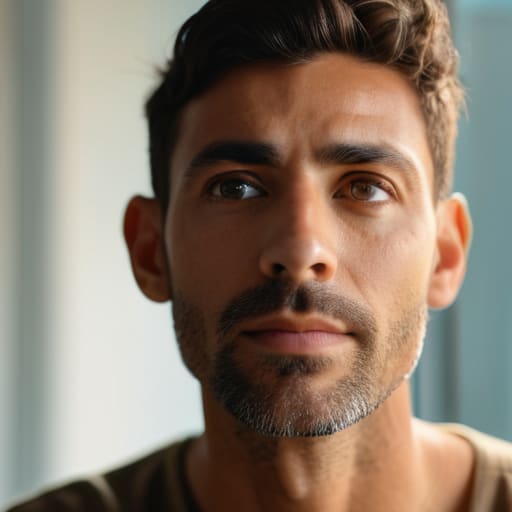
First, you have to accept that you aren’t just a photographer; you’re a temporary psychological anchor. Before you even touch the power switch on your strobe, you’re managing first impression psychology. If you walk in looking like you’re in a rush to hit a deadline, they will feel that frantic energy, and their shoulders will hike up toward their ears. You need to be the calmest person in the room. It isn’t about being a therapist, but it is about using emotional intelligence in conversation to sense when a subject is spiraling into “I look terrible” territory before they even see the back of the LCD.
Then there’s the physical stuff. I’ve spent years watching how people carry themselves when they’re out of their element. Pay attention to nonverbal communication cues—the way they’re gripping their bag or avoiding eye contact. I often use a subtle version of mirroring and matching without being a creep about it; if they’re leaning back, I’ll take a step back. It’s about signaling that you are on their level, not hovering over them like a technician inspecting a piece of faulty machinery.
Practical Tips and Steps
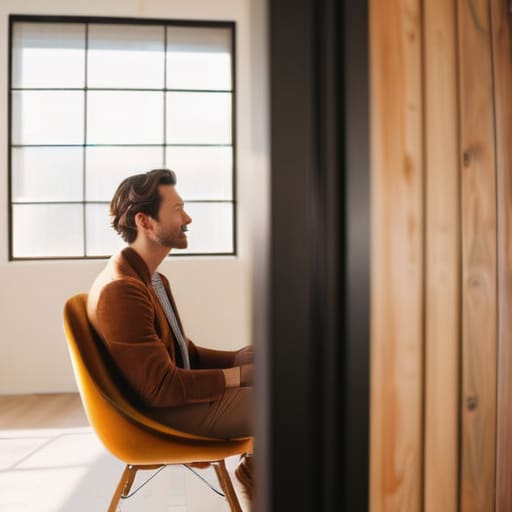
First, stop looking at your light meter and start looking at them. When a client walks in, they are already performing a mental audit of your space. This is where first impression psychology hits the fan; if you’re frantically digging through a bag for a spare battery, you’ve already lost the authority needed to make them feel safe. Instead, greet them at the door, offer a seat, and ask that one question I always ask: “What do you usually do with your hands when you’re nervous?” It breaks the ice by acknowledging the elephant in the room, and it tells them you’re paying attention to their physical comfort, not just their facial symmetry.
Once you’re talking, lean into active listening techniques rather than just waiting for your turn to speak. If they mention they’re exhausted because of a deadline, don’t pivot immediately to the shot list. Acknowledge it. Use a bit of mirroring and matching—if they are soft-spoken and cautious, don’t come in at a volume ten decibels too high. You’re trying to calibrate your energy to theirs so the transition from “stranger” to “subject” feels like a natural progression rather than a sudden interrogation.
Common Mistakes to Avoid
The biggest mistake I see—and I’ve made it myself when I was still just an assistant lugging around heavy light stands—is treating the conversation like a checklist. You aren’t there to tick off “Small Talk Completed” so you can get to the “Real Work.” When you rush the social part to get to the technical part, you miss the subtle nonverbal communication cues that tell you a subject is actually terrified. If they are nodding too fast or their shoulders are up by their ears, no amount of “perfect lighting” is going to save the shot.
Another trap is falling into the “Expert Vacuum.” This is when you spend the first five minutes talking about your gear, your latest lens, or your process because you want to look professional. In reality, that just centers the conversation on you. Instead, lean into emotional intelligence in conversation by actually observing them. If you spend the whole time performing rather than connecting, you’ll find that by the time you finally pick up the camera, the person in front of you has already mentally checked out.
Final Thoughts
At the end of the day, none of this is about being a magician or a psychologist. It’s just about being present. If you spend your first five minutes obsessing over whether your lighting ratio is a 3:1 or a 4:1 while your subject is visibly vibrating with anxiety, you’ve already lost. You have to prioritize emotional intelligence in conversation over your gear checklist. The technical stuff can wait; the human connection cannot.
Don’t overthink the mechanics of mirroring and matching—if you try to do it like a scripted exercise, you’ll just look like you’re having a glitch. Instead, just watch their posture, listen to the cadence of their voice, and respond to those subtle nonverbal communication cues. If they’re leaning back, don’t crowd their space. If they’re fidgeting, give them something to hold.
When you finally pick up the camera, the goal isn’t just to get a sharp file. It’s to capture someone who has finally stopped holding their breath. That only happens when they realize you’re actually looking at them, not just through them.
The Five-Minute Survival Kit
- Stop talking about the gear. I’ve seen beginners try to build confidence by explaining why they chose a 50mm over a 35mm, and all it does is make the subject feel like they’re being audited. They don’t care about your aperture; they care that you aren’t judging them. Talk about the light in the room or the coffee you just had instead.
- The “Hand Check.” Before I even touch a dial, I ask them, “What do you usually do with your hands when you’re nervous?” It’s a small, weird question that breaks the ice immediately. It acknowledges the tension instead of pretending it isn’t there, and it gives us a practical problem to solve together.
- Control the physical space. If you’re standing behind a massive tripod like it’s a shield, you’re creating a barrier. Step out from behind the kit for the first few minutes. Sit on the edge of the table or just stand near them. If you look like you’re ready to fight a war, they’ll feel like they’re in one.
- Narrate the “Why.” If you have to move a light or change a modifier, tell them what you’re doing before you do it. “I’m just moving this softbox a few inches to the left so we don’t get that harsh shadow on your chin.” Silence in a studio feels heavy and clinical; a bit of helpful chatter makes it feel like a collaboration.
- Watch their breathing, not their eyes. You can tell someone is spiraling by the way their shoulders are hiked up toward their ears or how shallow their breath is. If you see it, don’t tell them they look nervous—that’s a death sentence. Just change the pace, ask a non-photography question, and let them exhale.
The Five-Minute Truth
Rapport isn’t some magical psychological trick you perform; it’s just the process of realizing that the person sitting in your chair is probably more terrified of the lens than you are of the lighting, and deciding to be the person who makes them feel safe enough to breathe again.
Iwona Krawczyk
The Real Work Starts When the Lights Are On
At the end of the day, building rapport isn’t about some magic psychological trick or having a perfect script; it’s about the small, unglamorous details. It’s noticing that the subject is gripping their chair too tight, or realizing you need to stop talking about ISO and start asking about what they do with their hands when they get nervous. If you can manage the room, handle the sudden change in lighting, and actually listen to the person in front of you, the technical side usually falls into place. Remember, you aren’t just capturing a face; you are managing a human nervous system in a room full of expensive equipment.
Don’t get discouraged if the first five minutes feel clunky or if a client arrives looking like they’d rather be anywhere else. Most people walk into a studio feeling exposed and slightly ridiculous. Your job isn’t to be a performer, but to be the steady hand that tells them it’s okay to breathe. Once you stop worrying about whether your gear is perfect and start focusing on making them feel seen, the images will follow. Trust the process, trust your eyes, and most importantly, trust the quiet moments between the clicks.