
I remember sitting on a milk crate in a cramped studio five years ago, watching a junior assistant spiral because he’d just realized his new prime lens didn’t have the exact bokeh profile he saw in a YouTube review. He was convinced his entire portfolio was dead before he’d even shot a single client. It’s a sickness, really—this frantic, expensive need to believe that the next piece of glass is the missing link between a mediocre portrait and a masterpiece. We spend so much time chasing specs that we forget the most basic lesson: your gear is just a tool, and most of the time, it’s the least interesting thing in the room. If you’re currently scrolling through spec sheets at 2:00 AM, wondering how to buy gear without upgrade fever taking over your bank account, you aren’t alone, but you are definitely looking in the wrong direction.
In this notebook, I’m not going to give you a shopping list or tell you which sensor has the most dynamic range. Instead, I’m going to show you how to look at your kit through the lens of actual utility. I want to talk about the difference between a tool that solves a problem and a toy that just feeds an itch. We’ll look at how to audit what you actually use, when a second-hand body is smarter than a new one, and why mastering your light will always yield a better return than a new lens.
The Mirage of the New Why Your Current Kit Isnt Failing You
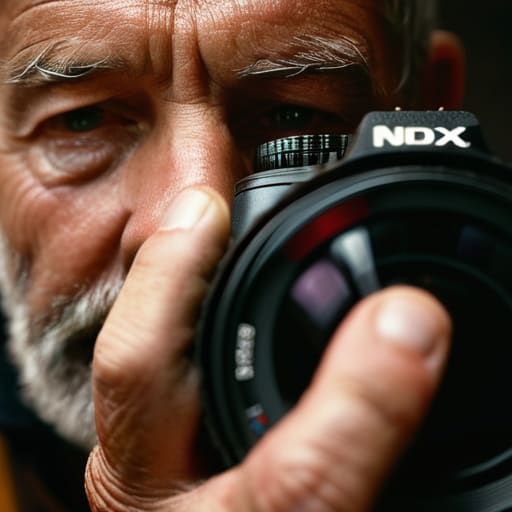
I spent eight years as an assistant watching pros sweat through high-stakes weddings with gear that was technically “obsolete” by industry standards, and they still nailed the shots. The truth is, most of us fall into the trap of thinking a higher megapixel count or a slightly faster autofocus system will suddenly solve our creative stagnation. It won’t. You aren’t failing because your sensor is old; you’re failing because you haven’t mastered the relationship between your light source and the subject’s eyes. When you start evaluating tool necessity based on actual technical limitations rather than a shiny YouTube review, the urge to swap everything out starts to fade.
We treat gear like a magic wand, but it’s just a tool, and a mediocre craftsman with a Leica still produces mediocre work. Instead of chasing the next release, try maximizing current equipment utility by pushing your existing kit to its absolute breaking point. If you can’t make a compelling, moody portrait with the single prime lens you already own, a new body isn’t going to save you. It’s just going to be a more expensive way to make the same mistakes.
Evaluating Tool Necessity Before the Impulse Hobby Purchase Hits
Before you click “add to cart,” I want you to do something painful: look at your last three failed shoots. Was it because your autofocus missed the eye, or because you spent forty minutes wrestling with a tripod that wouldn’t lock? Usually, it’s the latter. Evaluating tool necessity isn’t about checking spec sheets; it’s about auditing your actual workflow. If you’re consistently tripping over cables or running out of battery mid-session, buy the cable or the extra cells. If you’re just staring at a YouTube review of a new lens while your current one sits in its bag, you aren’t solving a problem—you’re just chasing a dopamine hit.
The real trick to maximizing current equipment utility is realizing that gear is a means to an end, not the end itself. I’ve seen pros with $50,000 kits produce images that look amateur because they don’t understand how light wraps around a face. Instead of falling into the trap of gear acquisition syndrome, ask yourself if the new tool actually removes a friction point in your process. If it doesn’t make the shoot smoother or the client’s life easier, it’s just expensive clutter.
How to Buy Gear Without Upgrade Fever and Keep Your Sanity
Before you click ‘add to cart,’ I want you to do something incredibly annoying: look at your last three failed shoots. Was the lack of a faster prime lens the reason the skin tones looked muddy, or was it because you didn’t bother to check the color temperature of the overhead office lights? Most of the time, we are just overcoming gear acquisition syndrome by convincing ourselves that a new sensor will somehow solve a lack of direction. If you can’t make a compelling portrait with the kit you have in your bag right now, a $3,000 upgrade is just a very expensive way to stay stuck.
The real trick to keeping your sanity is adopting a minimalist gear philosophy that prioritizes function over specs. I keep a running list of “friction points”—the moments where my equipment actually stops me from getting the shot, not just when I wish I had a prettier button to press. If your current light modifier is too bulky for the small studio spaces you book, buy the smaller modifier. If you’re struggling with focus, fix your technique. Maximizing current equipment utility is much more rewarding than chasing a spec sheet that will be obsolete by next Tuesday.
Maximizing Current Equipment Utility in a Room That Refuses to Cooperate
When you’re standing in a client’s office that has three different types of overhead fluorescent lighting and a window that faces a brick wall, a new sensor isn’t going to save you. I’ve spent more afternoons than I care to admit trying to salvage a shoot using nothing but a single speedlight and a piece of white foam core I found in the corner. That is where maximizing current equipment utility actually happens. It’s about learning how to shape the light you have, rather than mourning the light you don’t.
If you find yourself spiraling into a cycle of gear envy because a YouTube review made your setup feel obsolete, stop. You are likely experiencing a classic case of gear acquisition syndrome, but the fix isn’t a checkout cart; it’s a practice session. Instead of browsing retailers, go into your studio—or your living room—and try to recreate a high-end look using only your oldest lens and one modifier. If you can’t make a compelling portrait with the kit you already own, a more expensive body will just help you produce mediocre work faster.
Overcoming Gear Acquisition Syndrome Through a Minimalist Gear Philosophy
I’ve spent enough years lugging heavy bags through cramped studios to know that weight is a liability, not a status symbol. When I started out, I thought a third prime lens would somehow make me more “professional,” but all it did was give me more things to clean and more excuses to stay in the studio instead of actually shooting. Adopting a minimalist gear philosophy isn’t about being a martyr or depriving yourself of nice things; it’s about realizing that every extra piece of kit is just another variable that can fail you when a client is breathing down your neck.
If you want to succeed at overcoming gear acquisition syndrome, you have to stop treating your kit list like a shopping wishlist and start treating it like a toolkit. A toolkit is functional. You don’t buy a hammer because it’s titanium; you buy it because you have a nail. Before you click ‘buy’ on that new body, ask yourself if you are actually solving a technical limitation or if you are just trying to cure a temporary bout of boredom. Usually, it’s the latter.
Budgeting for Hobby Equipment Without Losing Sight of the Subject
When you start setting aside money for your kit, don’t just create a “wish list” of shiny bodies and prime lenses. That’s how you end up with a drawer full of expensive glass you only use when the weather is perfect. Instead, try budgeting for hobby equipment by looking at your actual friction points. If you’re constantly fighting with a single, flimsy light stand that collapses every time a client moves, that’s where your money goes. A heavy-duty C-stand or a decent reflector will change your workflow more than a marginally sharper sensor ever will.
I’ve learned that the most sustainable way to grow is through a minimalist gear philosophy. Before you click “buy” on that new macro lens, ask yourself if you’re actually solving a problem or just chasing a feeling. If you can’t name the specific shoot where your current kit fails you, you’re likely just avoiding impulse hobby purchases by mistake. Treat your budget like a repair fund for your actual workflow, rather than a subscription to the latest tech.
The Pre-Purchase Reality Check
- Audit your failed shoots before you audit your kit. If you just lost a client because your lighting was flat or you couldn’t manage a short-form video clip, don’t go shopping for a new body. Go shopping for a better modifier or a tripod that doesn’t wobble. The camera isn’t the bottleneck; your ability to control the environment is.
- The “Three-Shoot Rule.” Never buy a piece of gear because you saw it in a YouTube review or a sleek Instagram reel. Wait until you have identified a specific, recurring problem that has cropped up in at least three separate commissions. If you can’t name the exact moment the gear would have saved you, you don’t need it.
- Stop comparing your specs to the pros. I spent years assisting people who had setups that cost more than my car, and half the time, they were just compensating for a lack of direction. A $5,000 lens won’t help you when a subject starts panicking about their hands; a better understanding of light will.
- Rent before you commit. If you think a specific prime lens is going to change your life, rent it for a weekend and take it into a real, messy shoot—not a controlled studio environment. If it doesn’t solve a problem when the client is running late and the sun is shifting, it’s just an expensive paperweight.
- Buy for the “now” problem, not the “maybe” career. Don’t buy a high-end cinema rig because you think you might do more video next year. Buy the light that makes your current portraits look professional today. You can’t build a career on gear you’re too afraid to actually use because you’re saving it for a version of yourself that doesn’t exist yet.
The Gear Delusion
If you’re staring at a spec sheet thinking a faster autofocus system will finally make you a better portrait photographer, you’re lying to yourself. You don’t need a new sensor; you need to figure out why your subject is holding their breath and why you’re still fighting a window that only gives you twenty minutes of decent light.
Iwona Krawczyk
The Bottom Line
At the end of the day, the math is simple: if you’re staring at a spec sheet instead of looking at the way the light is hitting your subject’s eyes, you’re looking in the wrong direction. We’ve talked about auditing your kit, resisting the impulse to buy a solution for a problem you don’t actually have, and realizing that a new sensor won’t fix a cramped studio or a nervous client. Stop trying to outrun your limitations with a credit card. Real growth happens when you realize that mastering the gear you already own is infinitely more valuable than owning everything the industry tells you that you need.
When you finally put the gear away and just focus on the work, something shifts. You stop being a collector of objects and start being a maker of images. I spent years thinking a specific lens would finally make my portraits feel “right,” only to realize it was actually my inability to direct a subject that was the issue. Trust your eyes, not the marketing department. The most important tool in your bag isn’t something you can buy at a retailer; it’s the decisive way you use what you already have to capture a moment before it disappears. Now, go out and shoot something.
