
I remember standing in a drafty studio in East London, staring at a ticking clock while my single key light sat unused and my coffee went cold. I had a high-stakes corporate headshot scheduled for 10:00 AM, but by 10:20, the only thing in the room was the hum of the refrigerator and my own growing irritation. Most photography blogs will tell you to send a polite automated reminder or update your contract with a “late fee” clause, but they never tell you how to manage the actual anxiety of a shrinking window of light. Learning how to handle a subject who is late isn’t about the legalities of your invoice; it’s about the frantic mental math you do when you realize you now have to choose between a rushed, mediocre portrait or a client who feels rushed and performs even worse.
In this entry, I’m skipping the fluff about professional etiquette and getting into the dirt of the actual workflow. I’ll tell you how I decide when to keep the lights on and when to pack up, how to salvage the mood once they finally walk through the door, and how to protect your sanity without looking like a diva.
The Clock Is Not Your Lens How to Handle a Subject Who Is Late
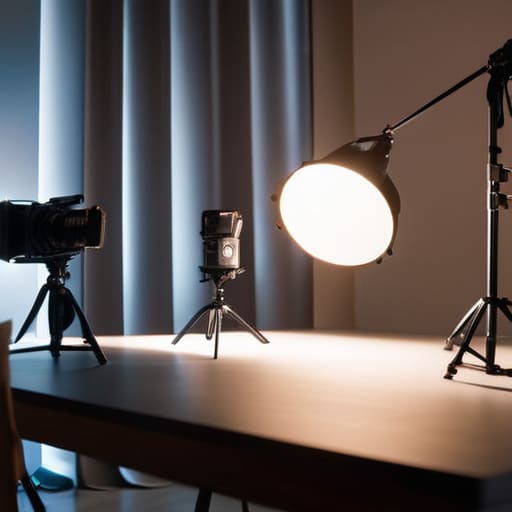
The first thing you have to accept is that your setup is fragile. Whether you’re working with a single Profoto strobe and a 5-foot octabox or a complex three-point lighting rig, every minute lost to a client’s traffic jam is a minute stolen from the quality of the light or the comfort of the person in the chair. When I’m running behind, I don’t panic and start rushing the subject; that’s how you end up with stiff shoulders and eyes that look like they’re searching for an exit. Instead, I focus on managing participant tardiness by strictly protecting the remaining time. If they arrive thirty minutes late for a sixty-minute slot, we aren’t doing the full creative vision. We are doing the essential version.
You need a firm protocol for late arrivals that you establish before the shutter even clicks. I tell my clients upfront: the session ends when the scheduled time ends, not when the subject arrives. It feels cold, but it’s the only way to mitigate pressure from delays that would otherwise turn a professional shoot into a frantic, low-quality scramble. If you try to “make it work” by pushing through, you’ll find yourself still shooting at 7:00 PM, exhausted, with images that look rushed because you were too busy chasing the clock to actually see the person in front of you.
Managing Participant Tardiness Without Losing the Light

When the door finally swings open twenty minutes past the slot, your instinct is to panic. You start mentally subtracting time from the hair and makeup phase or the final portrait set, but that’s a trap. If you rush the subject to make up for lost time, you end up with a person who looks like they’re being interrogated rather than photographed. My personal protocol for late arrivals is to acknowledge the delay, offer a quick glass of water, and then immediately reset the energy. You cannot let the frantic rhythm of the clock bleed into the frame; once the subject senses your anxiety, their shoulders will hike up to their ears and the session is effectively compromised.
Instead of trying to squeeze an hour of work into forty minutes, focus on mitigating pressure from delays by prioritizing the essential shots. If you were planning a complex three-light setup but only have time for a single softbox, make that call early. It is better to deliver three confident, well-lit portraits than ten rushed, jittery ones that feel frantic. You aren’t just managing a schedule; you’re managing the psychological state of the person in front of your lens.
A Protocol for Late Arrivals When the Room Is Waiting
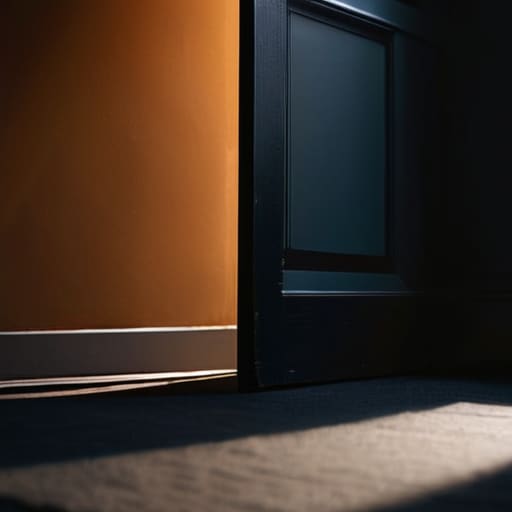
When the door finally swings open twenty minutes after the scheduled start, the air in the studio changes. It’s no longer a creative space; it’s a pressurized chamber. You can feel the tension in your own shoulders, and if you don’t move quickly, your subject will mirror it. You need a set protocol for late arrivals that prioritizes the work over the grudge. I’ve learned that the worst thing you can do is start the session with a lecture. If you spend the first five minutes explaining why they are wrong, you’ve already lost the ability to direct them. They will be defensive, their posture will be rigid, and you’ll spend the next hour fighting a ghost.
Instead, pivot immediately to a “triage” mindset. This is about mitigating pressure from delays by making a snap decision: do we stick to the original shot list, or do we cut the complex setups to save the core portraits? If we were planning a multi-light setup with a heavy modifier, but we’ve lost the window of soft light, I tell them straight: “We have thirty minutes left, so we’re going to keep it simple and beautiful rather than rushed and messy.” It’s not about being mean; it’s about protecting the integrity of the image from the chaos of the clock.
Mitigating Pressure From Delays to Save the Frame
When the clock is ticking and the sun is doing that aggressive descent toward the horizon, your instinct is to panic. You start thinking about the missed window for that soft, directional light you planned for the author portraits, and suddenly, you’re rushing. But rushing is how you end up with a subject who feels like they’re being processed on an assembly line rather than captured. Mitigating pressure from delays isn’t about working faster; it’s about deciding which parts of your setup are non-negotiable and which ones can be sacrificed to save the shot.
If you’re running twenty minutes behind, don’t try to squeeze a sixty-minute session into forty. It’s a trap. Instead, I’ve learned to curate the workflow on the fly. This might mean ditching the complex three-light setup for a single beauty dish or a simple bounce, or deciding that we’re skipping the environmental wide shots to focus entirely on the tight headshots. You aren’t failing the brief; you are actively communicating schedule changes to the client by prioritizing the most essential deliverables before the light—or their patience—runs out.
Communicating Schedule Changes Before the Chaos Begins
The best way to handle a mess is to prevent it from happening in the first place. I’ve learned that most friction starts long before anyone steps into the studio; it starts in the inbox. When it comes to communicating schedule changes, don’t just send a calendar invite and hope for the best. I make it a point to send a “day-of” nudge—not a polite reminder, but a practical one. I’ll tell them exactly where the parking is, which door to use, and remind them that our window is fixed. It’s about setting the expectation that the time is the container for the work, not just a suggestion.
If you’re working on a larger project, like a series of corporate headshots, you need a clear protocol for late arrivals baked into your initial contract. I don’t do this to be a diva; I do it because I know how a twenty-minute delay ripples through a whole afternoon. If you don’t define the boundaries early, you’ll spend your entire session playing catch-up, and that’s when the quality of the portraits starts to slip. Clear boundaries aren’t rude; they’re professional.
Adjusting Research Workflows to Protect the Final Image
When the schedule slips, the instinct is to try and squeeze the original plan into a smaller window, but that’s how you end up with rushed, hollow portraits. If you are working on a larger project—say, a series of corporate headshots or a documentary study—you have to start adjusting research workflows on the fly. This doesn’t mean cutting corners on the lighting setup; it means being ruthless about the secondary tasks. If the subject arrives twenty minutes behind, you don’t spend ten minutes chatting about the weather to build rapport. You move straight to the essential cues, perhaps skipping the light lifestyle shots to ensure you at least nail the primary portrait.
You also have to consider the impact of delays on study timeline if you are working within a strict research or commercial framework. If one person’s tardiness ripples through a group session, you can’t let the momentum die. I’ve learned that the best way to protect the final image is to have a “Plan B” list of shots that require less setup. If the light is fading and the subject is still struggling with their coat, you pivot to the most impactful, high-contrast frames immediately. It’s about mitigating pressure from delays by deciding, before they even walk through the door, which parts of the vision are non-negotiable and which are merely luxury.
Five ways to stop the clock from ruining the shot
- Don’t start the technical setup while they’re still in the car. If they’re twenty minutes late, don’t spend that time fiddling with your light stands or checking your exposure; use it to prep your files or drink some water. If you’re rushing the gear to “make up time,” you’ll end up with a messy setup and a subject who feels your frantic energy.
- Cut the fluff, but keep the warmth. When they finally walk through the door, they’re going to be apologetic and flustered. Skip the long, awkward small talk about the traffic. Give them a quick “Glad you’re here, let’s get settled,” and move straight into the light check. You need to transition them from ‘late and stressed’ to ‘subject and professional’ as fast as possible.
- Be ruthless with the shot list. If you had planned for a sixty-minute session with three different lighting setups and you’ve lost half of it, you aren’t doing all three. Pick the one that actually serves the client’s goal—the hero portrait—and scrap the experimental stuff. A single, well-executed frame is better than three rushed, mediocre ones.
- Watch your own body language. I’ve seen photographers check their watches or sigh heavily when a client walks in late; it kills the rapport instantly. If you act like the schedule is broken, the subject will believe they look bad, and once they decide they “photograph badly,” the session is effectively over.
- Re-negotiate the exit, not just the start. If the delay is significant, tell them clearly: “We still have forty minutes, but we’ll have to skip the group shots to ensure we get your individual portraits right.” It’s better to set the boundary early than to spend the last ten minutes of the shoot frantically trying to cram in a shot that was never going to happen.
The Real Cost of a Lost Hour
You can buy a faster lens to catch a moment, but you can’t buy back the ten minutes of composure a subject loses when they arrive flustered and apologizing. When they’re late, they aren’t just stealing your schedule; they’re stealing the stillness you need to actually make a good portrait.
Iwona Krawczyk
The Final Frame
At the end of the day, managing a late subject isn’t about being a drill sergeant; it’s about protecting the integrity of the work. You’ve learned that you can’t control the traffic or the client’s broken alarm clock, but you can control your response to them. Whether that means shortening the portrait session to save the light, adjusting your lighting setup to be more forgiving of a rushed pace, or simply refusing to let their chaos dictate your technical standards, the goal remains the same. You are there to manage the room, the time, and the energy. If you spend the whole shoot apologizing for the delay, you’ve already lost the session. Hold your ground on the schedule, even if you have to be the “bad guy” to ensure the final images don’t look like a frantic afterthought.
When the dust settles and you’re sitting in front of your monitor, or even back in your kitchen developing a roll of black and white film, remember that the best photos often come from the moments where we reclaimed control from the unexpected. A late start is just another variable in the room, no different than a flickering fluorescent bulb or a sudden change in weather. Don’t let the friction of a disorganized day rob you of your creative composure. The camera might be ready, but your ability to stay steady when the clock is against you is what actually makes the portrait work.