
Stop looking for a technical wizard who can recite every spec of the latest mirrorless sensor like it’s a religious text. If you think knowing the exact aperture for a sunset shot is the most important part of learning how to hire a second shooter, you’ve already lost the battle. I’ve spent years watching “highly skilled” assistants freeze up the moment a client starts crying or a venue’s lighting turns into a muddy, yellow nightmare. A second shooter isn’t there to be your backup camera; they are there to be your sanity when the room goes sideways and you’re stuck in a corner trying to fix a backlight that refuses to cooperate.
I’m not going to give you a checklist of gear or a lecture on portfolio aesthetics. Instead, I’m going to tell you what actually matters when you’re standing in the middle of a chaotic wedding or a high-pressure corporate shoot. We’re going to talk about temperament, communication, and how to find someone who knows when to step in and when to stay out of your light. This is about finding a partner who understands that the job is 90% managing the environment and 10% actually pressing the shutter.
The Myth of the Perfect Gear and How to Hire a Second Shooter
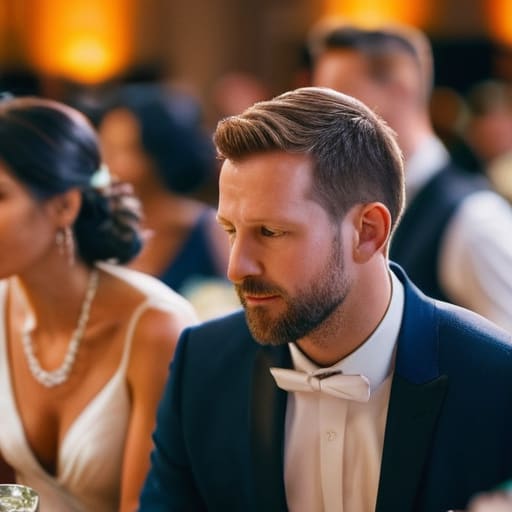
I’ve seen it happen a dozen times: a lead photographer spends three weeks vetting a candidate based solely on their gear list, convinced that a dual-slot body and a bag full of prime lenses will save the day. But here is the reality—you can have the most expensive kit in the world, and it won’t matter if that person can’t read a room or anticipate a bride’s sudden change of heart. When you are hiring freelance photographers for events, stop looking for a gear enthusiast and start looking for a person who understands second shooter vs lead photographer roles. You need someone who knows they aren’t there to take the “hero” shots, but to capture the angles you missed while you were busy managing a difficult client or a lighting disaster.
The real magic isn’t in the sensor; it’s in the photographer coordination and communication. I don’t care if they shoot on a Leica or a battered Canon as long as they know when to step back and let me lead. A good second shooter is a shadow, not a competitor. If they spend the whole day trying to out-compose you, you don’t have an assistant; you have a problem.
Defining Second Shooter vs Lead Photographer Roles in Chaos
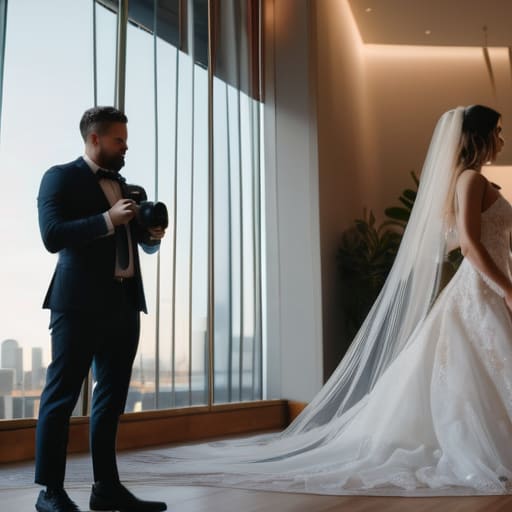
The biggest mistake I see is treating a second shooter like a glorified tripod or a backup for when your memory card fails. If you haven’t clearly mapped out the second shooter vs lead photographer roles before the first client arrives, you’re going to spend the whole day tripping over each other. I don’t need someone just standing there waiting for me to finish a shot; I need someone who understands that while I’m managing a nervous subject or fixing a stray hair, they are responsible for capturing the photography coverage angles and perspectives I’m currently missing.
In the middle of a chaotic wedding or a high-pressure corporate shoot, there is no time for “Wait, what was I supposed to do again?” You need to establish a hierarchy of movement. I usually tell my assistants: I am the director of the mood, and you are the hunter of the details. If I’m locked into a tight portrait, you shouldn’t be standing three feet away looking at my monitor; you should be finding the light spilling through the window or catching the reaction of the person watching us. Clear boundaries prevent that awkward dance where you both end up shooting the exact same frame.
The Art of Photography Coverage Angles and Perspectives
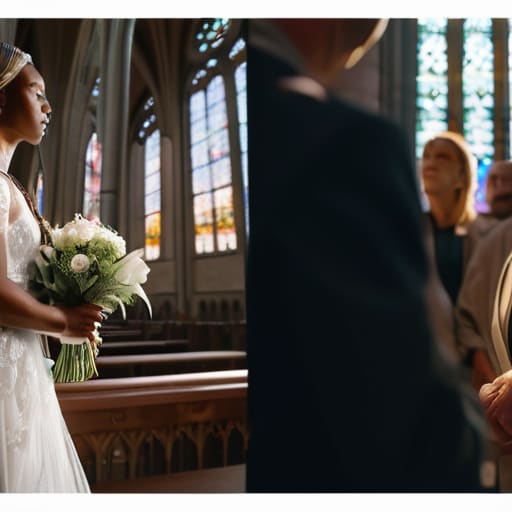
When you’re planning your shot list, don’t just think about “getting the picture.” Think about the geometry of the room. If I’m shooting a corporate headshot session or a wedding, I don’t want my second shooter standing three feet behind my left shoulder, mirroring my exact eye level. That isn’t help; that’s just a shadow waiting to happen. You need to discuss photography coverage angles and perspectives during the briefing, or better yet, in the contract. I tell my assistants: if I’m going for the tight, intimate portrait, you should be looking for the wide environmental shot or the candid reaction from the side.
The goal is to build a visual narrative, not a redundant one. This requires intense photographer coordination and communication throughout the day. If you haven’t established a system—whether it’s a quick hand signal or a pre-agreed-upon “zone”—you’ll end up with fifty nearly identical shots of a cake and zero of the person actually cutting it. I look for people who understand that their job is to see the gaps I can’t see because I’m too busy staring through a viewfinder.
Navigating Wedding Photography Second Shooter Etiquette and Ego
The biggest mistake you can make is hiring someone who thinks they’re auditioning for your job instead of helping you execute yours. I’ve seen it happen: a second shooter spends the entire ceremony trying to steal the spotlight, stepping into my frame or using a lens that’s so long they’re basically a stalker. You need to establish photographer coordination and communication before the first guest even arrives. If they have an ego that requires its own lighting setup, they aren’t a second shooter; they’re a liability.
When you are hiring freelance photographers for events, you aren’t just buying their eye; you are buying their ability to be invisible when necessary. I tell my assistants that their job is to catch the moments I physically cannot reach—the tear on the father’s cheek while I’m focused on the bride’s veil. This is where wedding photography second shooter etiquette becomes a survival skill. They need to know that when we are in the thick of it, the hierarchy isn’t a suggestion; it’s the only thing keeping the workflow from collapsing into a mess of redundant shots and missed glances.
Hiring Freelance Photographers for Events Without the Headache
When you’re hiring freelance photographers for events, the biggest mistake is assuming a good eye translates to good situational awareness. I’ve seen brilliant wedding photographers walk into a room, see a beautiful light, and immediately trip over a guest’s chair because they weren’t looking at the floor. You aren’t just looking for someone who can nail the exposure; you need someone who understands the invisible boundaries of the room.
The secret to avoiding the headache is setting the expectations for photographer coordination and communication before anyone even touches a shutter. Don’t just tell them to “get shots.” Tell them exactly where they should stand when the speeches start and, more importantly, where they should not be. I always make sure we’ve discussed the specific photography coverage angles and perspectives I’m looking for—maybe I want the wide, sweeping environmental shots while they focus on the tight, messy, emotional details. If you don’t define the territory early, you’ll end up with two people fighting for the same frame, or worse, both of you staring at the same empty corner while the actual moment happens behind your backs.
Essential Second Shooter Contract Essentials and Communication Needs
Don’t let the “creative partnership” vibe fool you; if you don’t put the boring stuff in writing, you’re asking for a headache. When you’re hiring freelance photographers for events, you need a document that covers more than just the hourly rate. I need to know exactly who owns the files, how long they have to get the selects to me, and—crucially—that they won’t post a “behind the scenes” shot of my client on Instagram before I’ve even finished the edit. A solid set of second shooter contract essentials should include a clear clause on image usage and a strict timeline for delivery.
Communication is where most shoots actually fall apart. It isn’t enough to just send a PDF and hope for the best. You need to sit down (or at least get on a long call) to iron out the photographer coordination and communication before anyone touches a shutter. I tell my assistants exactly where I want them standing and which photography coverage angles and perspectives I want them to prioritize so they aren’t accidentally stepping into my frame. If you haven’t defined the hierarchy, you aren’t running a shoot; you’re just managing a crowd.
Five things I’ve learned from hiring the wrong people
- Stop looking for a “mini-me.” If you hire someone who shoots exactly like you, you’re just paying for a mirror. You need a second shooter who sees the angles you miss—the quiet moment in the corner or the wide shot of the room while you’re stuck in a three-person portrait session. Hire for a different perspective, not a duplicate style.
- Test their temperament, not just their portfolio. I’ve seen brilliant photographers crumble the second a bride starts crying or a client changes the schedule five minutes before a shoot. Ask them how they handle a sudden change in lighting or a chaotic room. If they sound like they need everything to be perfect to function, they aren’t the one for a live event.
- The “Hand Test” for reliability. Before you sign them, ask them how they handle the small, annoying stuff: Do they have their own backup batteries? Do they know how to format a card without wiping the previous session? A second shooter who knows how to manage their own gear without asking you where the spare AA batteries are is worth their weight in gold.
- Establish the “Ego Boundary” early. This is where most freelance relationships die. You need to be clear: they are there to support the vision, not to hijack it. I tell my assistants upfront that we are a team, but I am the one directing the light and the flow. If they can’t swallow their pride to ensure the client gets what they paid for, don’t bring them into your room.
- Communication is more than just a WhatsApp thread. Make sure they understand the “why” behind the shots you want. Don’t just say “get more shots of the guests”; tell them, “I need the candid reactions during the speeches because I’ll be focused on the speakers.” If they understand the logic of the coverage, they won’t spend the whole afternoon standing there waiting for instructions.
## The Real Metric for Success
Stop looking for a second shooter who has the most expensive glass in their bag; look for the one who doesn’t freeze when the client starts crying or the schedule falls apart. I’d take a mediocre technical shooter with a calm pulse over a gear-obsessed genius who can’t manage a room any day of the week.
Iwona Krawczyk
Stop Looking for Perfection and Start Looking for a Partner
At the end of the day, hiring a second shooter isn’t about finding someone who can match your technical specs or own the exact same lens kit. It’s about finding the person who won’t freeze when the client decides they want a different lighting setup five minutes before the shutter clicks, or the one who sees the empty chair in the corner of a chaotic room and realizes it’s the perfect angle for a candid shot. You need someone who understands the hierarchy of the room and knows that their job is to support your vision, not compete with it. Focus on their temperament, their ability to communicate through a headset, and how they handle the inevitable messiness of a live shoot. If they can manage the chaos without losing their cool, they are worth ten times their weight in gold.
Don’t get paralyzed by the fear of making the “wrong” hire. You are going to have bad days, and you are going to have shoots where the gear fails or the schedule falls apart regardless of who is standing next to you. But when you find that right collaborator—the one who anticipates the movement in the room before you even signal for it—the job stops being a frantic sprint and starts feeling like a controlled conversation. Build your team based on how they handle the friction, not just how they handle the light. That is how you actually survive this industry.
