
I remember sitting in a cramped studio in East London, staring at a spreadsheet and feeling like a complete fraud because I couldn’t figure out how to quote a day rate that didn’t feel like I was stealing from the client. Everyone in the photography courses tells you to look at market averages or build a complex formula based on gear depreciation and overhead, but they never mention the client who calls you at 9 PM on a Sunday to change the location, or the way a “simple” portrait session can turn into a four-hour battle with a window that only lets in light for twenty minutes a day. You aren’t just pricing your time; you’re pricing the inevitable chaos that happens between the moment you pack your bag and the moment you actually hit the shutter.
I’m not here to give you a math lesson or a template you can download from a generic business blog. Instead, I want to talk about the real mechanics of the job—the stuff that happens when the lighting fails or the schedule collapses. I’m going to show you how to build a quote that accounts for the room, the clock, and the human variables, so you can stop worrying about being “fair” and start being sustainable.
Understanding How to Quote a Day Rate

Before you even touch your calculator, you have to stop thinking about how much you want to make in an hour and start thinking about what it costs to exist as a professional. Most people get hung up on the day rate vs hourly rate debate, but that’s a trap. If you charge by the hour, you’re essentially being punished for being efficient. If I can set up a single light, find the perfect window light, and nail a portrait in forty minutes, I shouldn’t be paid less than the person who fumbles around for three hours. You aren’t selling minutes; you are selling the years it took you to learn how to make those forty minutes look effortless.
When you’re actually calculating daily professional fees, you need to account for the invisible overhead. This isn’t just the gear you carry in your bag; it’s the software subscriptions, the insurance, the time spent driving to a studio that turns out to be a basement with no windows, and the mental energy of managing a difficult subject. Your rate has to cover the quiet days when no one calls, as much as the loud ones.
Key Things to Know
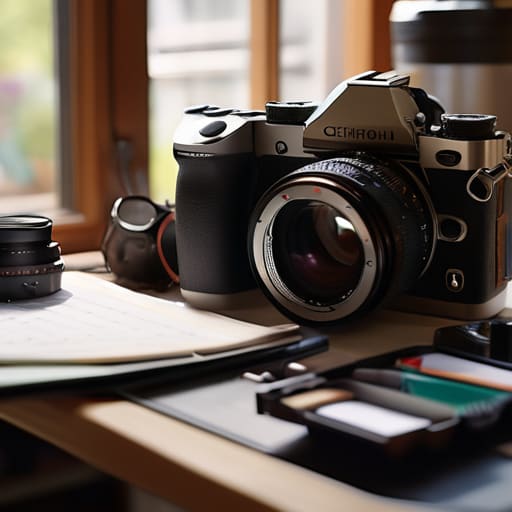
First, let’s get one thing straight: you aren’t just charging for the hours you spend behind the lens. If you try to stick to a strict day rate vs hourly rate comparison, you’re going to lose money. When I quote, I’m pricing the gear I have to haul into a basement studio, the time I spend retouching in my kitchen, and the mental energy it takes to manage a client who thinks “just one more shot” is a free service. You have to factor in the overhead that doesn’t show up on a tripod.
Second, you need to be ruthless about project scope creep prevention. I’ve seen too many photographers nod politely while a client slowly adds “just a quick video clip” to a portrait session until the original quote is meaningless. This is where your service agreement inclusions become your best friend. Don’t be afraid to specify exactly what a “day” looks like—how many hours, how many setups, and how many rounds of edits. If they want more, they pay more. It’s not being difficult; it’s just keeping the lights on.
Practical Tips and Steps

First, stop thinking about your time in isolation. When you’re calculating daily professional fees, you aren’t just charging for the eight hours you spend behind the lens; you’re charging for the three hours of gear prep, the two hours of file management, and the mental load of knowing exactly which modifier will fix a client’s terrible office lighting. I’ve learned the hard way that if you don’t account for the “invisible” labor, you aren’t a professional, you’re a hobbyist with a very expensive tax bill.
When you sit down to draft the actual proposal, focus on project scope creep prevention by being brutally specific about what the rate actually covers. I always include a clear list of service agreement inclusions—like the number of edited stills or the specific duration of the video wrap—so when a client asks, “Can we just grab one more quick shot?” at 5:55 PM, you have a polite, pre-negotiated way to say no. It’s much easier to point to a document than to have an awkward conversation in the middle of a studio.
Common Mistakes to Avoid
The biggest mistake I see—and I’ve made it myself, usually when I was too hungry or too tired to care—is treating a day rate like a flat, static number. People often fall into the trap of comparing a day rate vs hourly rate and assuming the math is simple. It isn’t. If you quote a flat fee without accounting for the gear you’re lugging in or the extra hour of tethering setup, you aren’t being “competitive”; you’re just subsidizing the client’s lack of planning.
Another trap is failing to define the boundaries of the work itself. I’ve sat in studios where a “half-day” portrait session slowly bled into a full-day video shoot because I didn’t have clear service agreement inclusions written down. You have to guard against project scope creep like a hawk. If they want a different lighting setup or an extra subject halfway through, that isn’t a “quick favor”—it’s a change in the terms of your labor. Don’t be afraid to point to the contract; it’s much easier to be professional about a fee than it is to be awkward about working for free.
Final Thoughts
Look, at the end of the day, the math is only half the battle. You can spend hours perfecting your spreadsheet for calculating daily professional fees, but if you don’t account for the mental tax of a difficult client or the physical toll of a twelve-hour day, you’re going to burn out. Pricing isn’t just about covering your gear insurance and your rent; it’s about protecting your ability to show up to the next shoot with any energy left in the tank.
Don’t get caught in the trap of a day rate vs hourly rate debate when a client is trying to squeeze you. If they want to pay by the hour, fine, but make sure your service agreement inclusions clearly state what happens when that “quick one-hour session” drifts into a three-hour ordeal. Use a solid contract to handle the project scope creep prevention so you aren’t the one apologizing for the budget later. It’s not about being difficult; it’s about being a professional who knows exactly what her time—and her sanity—is worth.
Five ways to stop undercharging for the inevitable
- Quote for the setup, not just the shutter. If a client thinks a “day rate” only covers the hours they are standing in front of my lens, they’ve misunderstood the job. You need to account for the two hours you spent hauling modifiers into a cramped studio and the hour you spent re-lighting everything because the sun moved behind a cloud. If you aren’t charging for the prep and the pack-down, you’re working for free.
- Build in a “chaos buffer.” I’ve learned that a schedule that looks perfect on paper rarely survives contact with a real human being. Clients run late, subjects get nervous and need an extra twenty minutes to find their footing, and equipment occasionally decides to misbehave. When you give a quote, don’t price for a perfect day; price for the day where everything goes slightly sideways.
- Separate your gear from your time. Don’t let a client haggle you down by saying, “But you’re just using your own camera.” Your day rate is for your eyes, your experience, and your ability to direct a CEO who doesn’t know what to do with their hands. If they want the high-end lighting kit or the specific lenses that make the skin look right, that’s a kit fee. Keep the labor and the tools in two different columns so they don’t try to discount your brain.
- Watch out for the “half-day” trap. Clients love to ask for a half-day rate to save a few bucks, but a half-day often eats up a full day of your life. You can’t book another shoot in the afternoon if you’re stuck in a three-hour session that runs over. If they want a half-day, the rate needs to be significantly higher than just dividing your day rate by two. You’re charging for the loss of the rest of your day.
- Get the “scope creep” in writing before you even pick up a tripod. There is always one client who thinks a “quick portrait session” will magically evolve into a short-form video project halfway through the shoot. Define exactly what the day rate covers—how many setups, how many subjects, how many hours—and make it clear that anything outside that box comes with an additional invoice. It’s much easier to be firm about the price before you’ve arrived on site.
The real cost of a day
Stop quoting for the hours you spend behind the lens and start quoting for the chaos you spend the rest of the week managing. A day rate isn’t a payment for pressing a shutter; it’s the fee for the prep, the kit rental, the inevitable gear failure, and the client who calls you at 9 PM to change the entire creative direction. If you only price the light, you’re paying to work.
Iwona Krawczyk
The bottom line
At the end of the day, quoting a day rate isn’t about finding a magic number that makes you feel rich; it’s about protecting your ability to actually do the work. You have to account for the prep time that no one sees, the gear that needs cleaning, and the mental energy required to manage a client who decides halfway through a shoot that they actually wanted “moody” instead of “bright.” If you only price for the hours your finger is on the shutter, you aren’t running a business, you’re just subsidizing someone else’s project with your own unpaid labor. Remember to build in those buffers for the chaos, the travel, and the inevitable technical hiccups that happen in every single room.
It feels heavy the first few times you send a quote that actually reflects your worth, but you have to get comfortable with the silence that follows. Don’t let the fear of a “no” drive you into undercharging just to keep the calendar full. When you price correctly, you aren’t just buying yourself better gear or a slightly nicer lens; you are buying the professional headspace required to actually be good at this. You owe it to your craft, and more importantly, to the subjects who are trusting you to capture them, to show up prepared, unstressed, and fully present.