
I once spent forty-five minutes in a cramped, overheated studio listening to a CEO explain exactly where my softbox should be placed, despite the fact that he’d never even held a reflector, let alone managed a lighting ratio. He wasn’t being malicious; he was just terrified of looking foolish, and that fear manifested as a desperate need to micromanage my every move. If you’ve ever found yourself paralyzed mid-shoot because you’re wondering how to handle a subject who wants control without bruising their ego or ruining the light, you know it isn’t about technical prowess. It’s about the uncomfortable psychological tug-of-war that happens between the lens and the person standing in front of it.
I’m not going to give you a lecture on “asserting dominance” or buying a more expensive camera to feel more professional. Instead, I want to talk about the actual, messy mechanics of redirection. I’ll show you how to pivot from being a technician to being a director by using small, tactical shifts in conversation and positioning. This isn’t theory; it’s the practical triage I’ve learned from years of being the one responsible for the final image when everything else goes sideways.
When the Subject Decides They Are the Director How to Handle a Subject Who
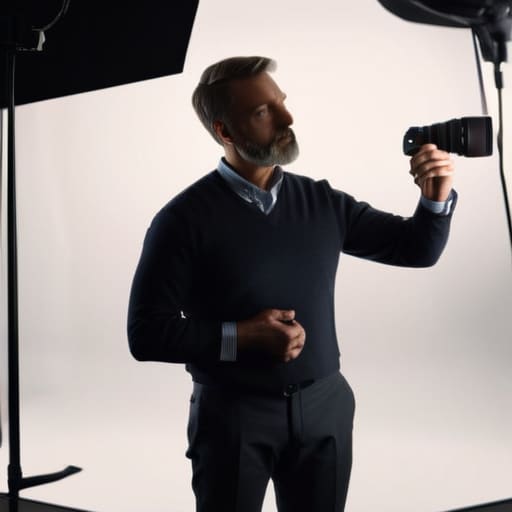
It usually starts small. They’ll suggest a slight adjustment to the key light, or they’ll tell you the angle isn’t quite “capturing their essence.” But if you aren’t careful, you’ll find yourself being directed by a CEO who has never held a reflector in their life. I’ve been there—standing behind the tripod while someone tells me how to frame a shot they hired me to execute. The trick isn’t to shut them down immediately, which only triggers more resistance; it’s about setting professional boundaries through the guise of expertise. I find that if I explain the why—the specific reason a shadow is falling a certain way or why we need that specific distance from the backdrop—the power struggle usually loses its steam.
When the tension shifts from creative input to a genuine struggle for dominance, you have to pivot. You aren’t just a photographer anymore; you’re an expert in managing power dynamics in leadership. I stop talking about the gear and start talking about the result. If they want to move the light, I don’t say “no,” I say, “We can move that, but we’ll lose the catchlights in your eyes, and the goal was a high-energy look. Do you want to prioritize the shadow or the sparkle?” It forces them to make a professional choice rather than a personal command.
The Psychology of Controlling Behavior Behind the Lens

Most people think a client trying to take over the shoot is a sign of an ego problem, but after a decade behind the lens, I’ve realized it’s usually just a mask for anxiety. When I see a CEO start micro-managing my lighting placement or questioning my choice of focal length, I’m not looking at a bully; I’m looking at someone who has lost their sense of safety. They are used to being the expert in their own world, and suddenly, they are in a room where they don’t know the rules. They try to grab the reins because the lack of predictability feels like a threat.
Understanding the psychology of controlling behavior changes how you react. If you treat it as a power struggle, you’ve already lost. Instead of getting defensive, I try to pivot toward setting professional boundaries through calm, technical explanations. I don’t tell them they’re wrong; I tell them why we are doing this specific thing to achieve the result they asked for. It’s about moving from a battle of wills to a shared goal, turning their nervous energy into a sense of cooperation rather than a fight for dominance.
Managing Power Dynamics in Leadership Within the Studio
When you’re shooting a CEO or a high-level director, you aren’t just managing a person; you’re managing a hierarchy that has followed them into your studio. They are used to being the final word on everything, and that instinct doesn’t just evaporate because there’s a tripod in front of them. If you try to steamroll them, they’ll sense the friction and freeze up. Instead, you have to lean into collaborative leadership styles. I’ve found that giving them “micro-decisions”—asking if they prefer the light slightly higher or the background a shade darker—allows them to feel in charge without actually derailing the technical setup.
However, collaboration shouldn’t be confused with submission. There is a fine line between a client who is engaged and a client who is hijacking the session. This is where setting professional boundaries becomes your most important tool. If a subject starts correcting your lighting placement or questioning your lens choice mid-sequence, you don’t argue. You simply acknowledge their input, explain the why behind your choice in a calm, matter-of-fact way, and then move back to the task. You are the expert in the room, and they are paying you for your vision, not just your shutter finger.
Assertive Communication Strategies for When the Room Gets Tense
When the air in the studio gets thick, you can’t just wait for it to clear itself. If a client starts barking orders about lighting placement or demanding you change a setup you’ve already optimized, you have to step in immediately. I’ve found that the most effective assertive communication strategies aren’t about being loud; they are about being incredibly specific. Instead of saying, “I think this works better,” which invites a debate, try: “I am using this specific modifier to achieve the depth we discussed in the brief.” It shifts the conversation from an opinion-based tug-of-war to a technical execution of the agreed-upon plan.
You also have to be comfortable with the silence that follows a firm boundary. When you are setting professional boundaries—like telling a CEO that they cannot micromanage the assistant’s positioning—there will be a moment of friction. Don’t apologize for it. If you backtrack because the tension feels uncomfortable, you’ve just handed them the director’s chair. Hold your ground with a calm, steady tone, and redirect them back to the visual goal of the session. It’s much harder for someone to fight you when you’re constantly bringing the focus back to the work itself.
Conflict Resolution Techniques for Difficult People and Shifting Moods
When the tension in the room shifts from “nervous energy” to “open hostility,” you can’t just power through it with a smile. If a client starts snapping at your assistant or questioning every single light adjustment, you have to pause. I’ve learned that trying to ignore a brewing argument only makes the shots look stiff and hollow. Instead, I use a version of conflict resolution techniques for difficult people that involves a tactical reset. I’ll step away from the tripod, suggest a five-minute water break, or even move to a different corner of the studio to “test a new angle.” It’s not about running away; it’s about breaking the feedback loop of the tension so everyone can breathe again.
Sometimes, the conflict isn’t an argument, but a heavy, suffocating silence. This is where setting professional boundaries becomes your most important tool. If a subject is spiraling into self-criticism or trying to dictate the technical setup to mask their insecurity, you have to gently but firmly reclaim the space. I don’t lecture them, but I do remind them that I am the one responsible for the final result. By shifting the focus back to the creative goal rather than the technical debate, you stop the power struggle before it ruins the light.
Setting Professional Boundaries to Protect the Creative Vision
Setting boundaries isn’t about being a diva; it’s about protecting the work from the very person paying for it. I’ve learned that if you don’t establish the rules of engagement in the first ten minutes, you’ll spend the next two hours playing defense. When I walk into a studio, I make it clear that while I want their input on the vibe, I am the one holding the light and making the technical calls. Setting professional boundaries early on prevents that slow creep where a client starts moving your modifiers or questioning your lens choice because they “saw something better on Pinterest.”
If you let them steer the ship, you’ll end up with a gallery of images that look exactly like everyone else’s, and they’ll blame you when the results feel hollow. You have to frame your expertise as a service to them. Instead of a flat “no,” use assertive communication strategies to explain why a certain direction won’t work for the specific lighting setup we’ve built. It’s not a confrontation; it’s a professional guardrail that keeps the session from dissolving into a chaotic mess of indecision.
Five ways to take the wheel back without causing a scene
- Use the “technical pivot.” When a client starts micromanaging your lighting or telling you to move the stand, don’t argue the aesthetics. Pivot to the physics. Say, “I hear you, but if I move that light three feet to the left, we’re going to lose the catchlight in your eyes and the shadow profile will flatten. Let’s try it my way for five minutes, and if it doesn’t look right, we’ll pivot.” It’s hard to argue with light physics.
- The “Choice Illusion” technique. If someone is digging their heels in, stop giving them open-ended questions like “What do you think?” which invites them to take over. Instead, give them two controlled options. “Do you want the background slightly more out of focus, or do you prefer the texture of the wall behind you?” You’re still the one holding the camera and making the final call, but they feel like they’ve steered the ship.
- Establish the “Trial Period.” When a subject insists on a pose or a setup that you know is going to look terrible, don’t tell them they’re wrong—that just builds resentment. Tell them, “Let’s do one frame exactly how you’ve described it so we have it in the bag, then let’s try my version to see how the light reacts.” Usually, once they see the mediocre result of their own idea on the back of the LCD, they’ll happily let you take over.
- Control the physical space. If a client is hovering too close to your tripod or leaning over your shoulder to see the screen, they are subconsciously trying to occupy your territory. Gently but firmly reclaim it. Use a physical cue, like stepping back to adjust a modifier or moving to a different angle, to create a buffer zone. You can’t lead a session if you’re being crowded in your own studio.
- Lean on the “Pre-Shoot Contract” for the big stuff. If you’re dealing with a high-level executive who thinks they can rewrite the brief halfway through, you have to be able to point back to the original plan without being a jerk. “I remember we talked about a minimalist look for this series to keep the focus on your expression; if we add these elements now, we’re moving into a different style of shoot. Should we stick to the original vision or do you want to talk about a new quote for a different direction?” It turns a confrontation into a business decision.
The Illusion of Authority
When a client starts trying to micromanage your lighting or tell you exactly how to frame the shot, they aren’t actually looking for a better image; they’re looking for a sense of safety. Your job isn’t to fight them for the title of Director, but to gently remind them that they hired you to be the one who carries the weight of the decisions so they don’t have to.
Iwona Krawczyk
The Final Frame
At the end of the day, managing a controlling subject isn’t about winning an argument or proving you know more about lighting than they do. It’s about the delicate dance of reclaiming the room without bruising an ego that’s likely just masking a deep-seated insecurity. We’ve talked about setting boundaries, reading the psychological cues, and using assertive communication to steer the ship when the subject tries to grab the wheel. Whether you’re dealing with a CEO who thinks they’re a creative director or a nervous client who uses micromanagement as a shield, the goal remains the same: protect the session so you can actually get the shot you were hired to take.
If there is one thing I’ve learned from years of assisting and now shooting my own commissions, it’s that the most successful shoots are the ones where the tension is managed before it ever reaches a boiling point. You aren’t just a person with a camera; you are the architect of the environment. When the power dynamics shift and the air in the studio gets heavy, remember that you are the professional in the room. Hold your ground, keep your tone steady, and trust your eye. The gear will behave if you do, and eventually, once the control battle is settled, you’ll find that the best portraits come from the moments when everyone finally settles into the rhythm you’ve created.
