
I once spent three hours in a high-end studio, surrounded by five different softboxes and a client who had spent a small fortune on a new lens, only to realize the portrait felt utterly hollow. We had the perfect lighting, but we had ignored the fact that the subject was a minimalist architect who felt suffocated by the clutter of a “lifestyle” set. That’s the mistake most courses make: they teach you how to light a face, but they never teach you how to use environment to say something about a person without it looking like a staged catalogue shoot. If the space doesn’t breathe with the subject, you aren’t taking a portrait; you’re just making a pretty picture that says absolutely nothing.
In this notebook, I’m skipping the gear talk and getting into the messy reality of the room. I want to show you how to read a space—the way a heavy oak desk tells a different story than a glass tabletop—and how to make those surroundings work for you instead of against you. I’ll be talking about the actual compromises you’ll make with distance and depth to ensure the setting acts as a silent narrator, rather than just a distracting background.
Understanding How to Use Environment to Say Something About a Person

Before you even touch the shutter, you need to stop looking at the person and start looking at what they’ve built around themselves. An environmental portrait isn’t just a person standing in a room; it’s an investigation into the psychology of space and identity. If I’m shooting an author, I’m not just looking for a bookshelf; I’m looking for the specific way those books are worn—the dog-eared pages, the dust, the way they’ve been shoved aside to make room for a coffee mug. That tells me more about their process than a tight headshot ever could.
The mistake most people make is treating the background like a wallpaper. It isn’t. Every object in the frame is a choice, or a failure of a choice. When I’m working on visual narrative through setting, I’m looking for the friction. A minimalist office tells one story, but a cluttered, sun-drenched studio tells a completely different one about how that person handles chaos. You aren’t just capturing a likeness; you are documenting the physical evidence of a life lived. If the room feels accidental, the portrait will feel accidental too.
Key Things to Know
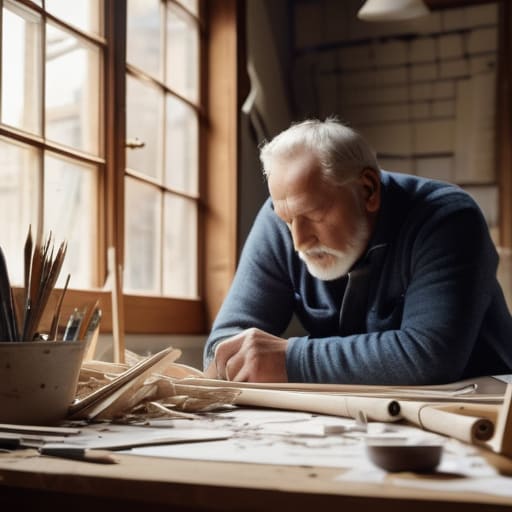
First, stop looking for the “perfect” backdrop and start looking for the friction. A person isn’t just a face; they are a product of their surroundings. When I’m setting up an environmental portrait, I’m looking for the way a cluttered desk or a single, lonely chair contributes to the visual narrative through setting. If you strip away everything but the subject, you’ve just taken a headshot. To actually build character, you need to let the room breathe. If the client is a frantic architect, don’t put them in a sterile, white-walled studio; find the studio with the blueprints, the coffee stains, and the scale models.
Second, pay attention to the psychology of space and identity. Where a person chooses to stand—or more importantly, where they refuse to sit—tells you everything. I’ve learned that a subject who leans against a heavy oak door feels fundamentally different from one tucked into a corner of a velvet sofa. You aren’t just capturing a person; you are documenting their relationship to the physical world. Use the shadows of the room to frame them, not to hide them, and remember that sometimes the most telling detail is the one they tried to hide behind their back.
Practical Tips and Steps
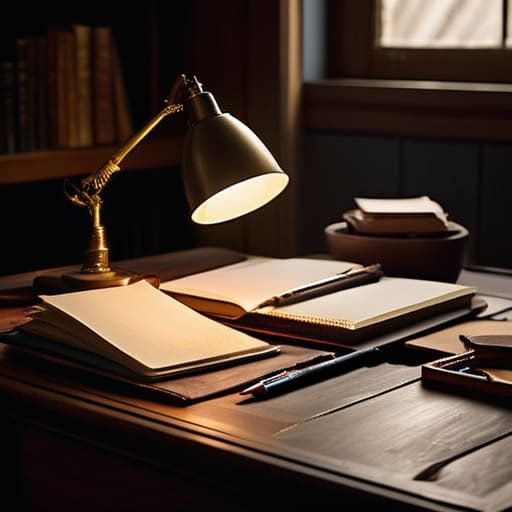
Before you even unbag your gear, walk the perimeter of the room. If you’re shooting an author in their study, don’t just look for a nice bookshelf; look for the stack of half-finished notebooks or the specific way the light hits a worn-out desk lamp. This is where you start building a visual narrative through setting. I always tell my assistants: if the subject is stiff, stop trying to fix their chin position and start looking at what’s behind them. A cluttered desk tells a story of a chaotic mind, while a sterile, empty office screams of corporate detachment. Sometimes, the most honest thing you can capture is the tension between the person and their workspace.
When you actually start positioning your lights, remember that the environment dictates the mood more than your strobe settings ever will. If you’re working with natural light from a side window, don’t fight it with a massive softbox that flattens everything. Instead, use that directional light to lean into the psychology of space and identity. If they are a person of secrets, let the shadows swallow the corners of the room. If they are an open book, pull the light wide. Keep your modifiers close and your adjustments subtle; you aren’t there to decorate the room, you’re there to let the room speak.
Common Mistakes to Avoid
The biggest mistake I see is treating the background like a wallpaper choice rather than a character in the frame. People often fall into the trap of “cleaning up” a space until it’s sterile, effectively stripping away the visual narrative through setting that made the location worth choosing in the first place. If you’re shooting a carpenter in a workshop, don’t move the sawdust and the wood shavings to the corner just to make the shot “cleaner.” You end up with a person standing in a void, and suddenly, you aren’t telling a story; you’re just taking a headshot in a room.
Another pitfall is over-relying on obvious clutter. I’ve seen too many photographers try using props to convey personality by literally shoving a subject’s tools or books into their hands like they’re posing for a high school yearbook. It feels forced and, frankly, desperate. If the environment is doing its job, the objects should feel lived-in and incidental. If you have to point at a prop and say, “Look, this shows you’re an author,” you’ve already lost the nuance. Let the space breathe, and for heaven’s sake, watch your depth of field—don’t blur the soul of the room into a meaningless smudge.
Final Thoughts
At the end of the day, stop looking at your settings and start looking at the person in front of you. If they look stiff, it’s probably because the chair is uncomfortable or the room feels too cavernous. Real character development in photography doesn’t happen because you picked a fancy location; it happens because you allowed the person to exist within a space that feels honest to them. If they are a cluttered thinker, let the clutter stay. If they are a minimalist, don’t force a busy backdrop just because you think it looks “cinematic.”
The goal isn’t to stage a perfect set, but to master the psychology of space and identity. You aren’t just taking a picture; you are documenting how a human being occupies the world. My advice? Put the camera down for a second, ask them what they do with their hands, and just watch how they move through the room. Once you understand their relationship with the space, the shot will practically take itself. Everything else is just tweaking the light.
Five ways to stop treating the background like an afterthought
- Stop fighting the clutter and start curating it. If you’re shooting an author and their desk is a disaster of half-empty coffee mugs and loose receipts, don’t just clear it all away to make it “clean.” Move one specific, meaningful object—a heavy brass paperweight or a stack of well-worn journals—into the frame. The goal isn’t a sterile set; it’s a controlled mess that feels lived-in rather than accidental.
- Watch the depth, not just the distance. I’ve seen too many people push a subject against a wall because they’re afraid of a messy room, but that kills the soul of an environmental portrait. Pull them three feet away from the bookshelf or the window. Use a 50mm or an 85mm, stop down to f/4 if you need to keep the context, but give the space room to breathe so the subject doesn’t look like they’re being interrogated.
- Use the light in the room as a character, not an enemy. If there’s a harsh sliver of sun coming through a venetian blind, don’t immediately reach for your softbox to kill it. That shadow pattern can tell us more about a person’s mood or their privacy than a perfectly even, boring studio light ever could. Sometimes the “bad” light is actually the most honest thing in the room.
- Check the color temperature of the surroundings before you commit. If you’re in a warm, wood-paneled library but your white balance is set for a clinical, blue-tinted office, the subject is going to look like a ghost haunting a cozy room. Match your light to the soul of the space. If the room feels amber and heavy, let your skin tones lean into that warmth.
- Listen to what the subject says about their space. Before I even pick up the camera, I’m looking for the things they point to. If a client mentions they spent ten years building that specific collection of ceramics, that collection isn’t just “background”—it’s a secondary subject. Position them so the light catches the texture of those objects, making the environment an extension of their own history.
The Context is the Character
Stop trying to fix a personality problem with a sharper lens; if your subject feels like a stranger in their own portrait, it’s because you’ve stripped away the one thing that makes them real—the room they actually live in.
Iwona Krawczyk
The Final Frame
At the end of the day, don’t get so caught up in your gear list that you forget to look at what’s actually happening in the four corners of your viewfinder. Using the environment isn’t about finding a “pretty” background; it’s about the deliberate choice of what stays in and what gets cut out. Whether you are managing a cluttered office to show a busy life or using a stark, empty wall to highlight a subject’s isolation, remember that every object in the frame is a piece of information. If you don’t control the space, the space will control the portrait, and usually, it will tell a story you didn’t intend to tell. Keep your eyes on the relationship between the person and their surroundings, because that is where the real truth lives.
When you finally pack up your lights and head home, try not to obsess over whether your aperture was perfect or if your focus was tack-sharp. Those are technicalities. Instead, ask yourself if the person felt like themselves in that room. Did the environment support them, or did it fight them? The best portraits happen when you stop treating the setting as a backdrop and start treating it as a silent collaborator. Stop looking for the perfect location and start looking for the perfect context. That is how you move past being a person with a camera and start being a photographer.
