
I once spent forty-five minutes in a drafty, dimly lit cafe, sweating through my shirt while trying to explain to a very skeptical manager that my tripod wouldn’t actually trip his regulars. I wasn’t there to film a high-budget commercial; I just needed a corner with decent window light for a quick author portrait. It’s the classic trap: you spend weeks obsessing over your lens choice and lighting ratios, only to realize you’ve completely neglected the most basic hurdle of all—learning how to get permission to shoot on location without looking like a nuisance or a liability.
Forget the polished, corporate checklists you’ll find in those expensive production manuals. They don’t tell you how to handle the person behind the counter who thinks your softbox is a fire hazard, or how to negotiate a space when you have zero budget and a ticking clock. In this notebook, I’m skipping the fluff. I’m going to give you the actual mechanics of the conversation—the specific way to frame the request, the compromises you’ll likely have to make, and how to walk into a room with enough confidence that they actually want you there.
The Room Before the Shot How to Get Permission to Shoot on Location
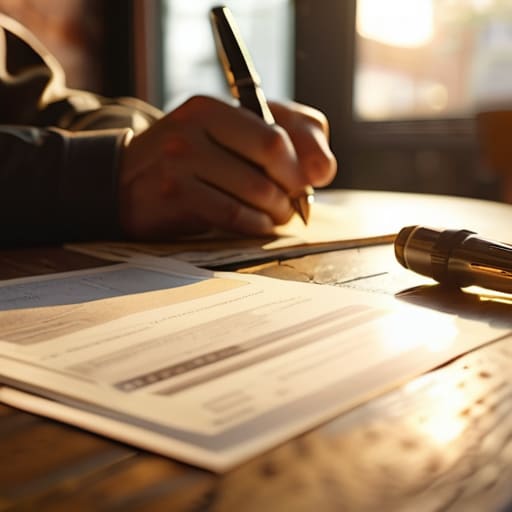
The biggest mistake I see is thinking that a friendly nod from a cafe manager is the same thing as legal clearance. It isn’t. I’ve been in situations where I’m halfway through a portrait session only to have a landlord walk in and shut us down because we didn’t have the right paperwork. When you’re securing private property access, you need more than a handshake; you need a paper trail. I always carry a basic filming location agreement template in my bag—not because I’m litigious, but because it defines exactly where I can stand and what time I have to be out of there.
If you’re moving away from private shops and toward something more civic, the headache shifts from people to bureaucracy. The municipal filming permit process can be a black hole of red tape that eats your schedule alive if you aren’t prepared. You can’t just show up at a public park with a tripod and a light stand and hope for the best. Most cities have very specific filming on public land regulations that require a formal application, often weeks in advance. It’s tedious, but it’s much better than getting a fine while you’re trying to find the right light.
Securing Private Property Access Without Losing Your Mind
The biggest mistake I see is treating a location request like a casual favor. If you’re walking into a boutique cafe or a private studio, you aren’t just asking to borrow a corner; you are asking them to take a risk on you. Most owners aren’t worried about your lens choice; they’re worried about someone tripping over a C-stand or a light cable. This is why you need to lead with your production insurance requirements before they even ask. If you can show them a certificate that proves you aren’t going to leave them with a broken window or a lawsuit, the conversation shifts from “maybe” to “let’s talk logistics.”
Don’t just wing the verbal handshake, either. Even for a small corporate shoot, I always carry a basic filming location agreement template in my bag. It doesn’t need to be twenty pages of legalese, but it needs to state exactly what time you’re arriving, where you’re plugging in, and—crucially—who is responsible if a chair gets scratched. Professionalism is the best way to lower their guard. When you treat the space with more respect than your own gear, they stop seeing you as a nuisance and start seeing you as a professional.
Navigating the Municipal Filming Permit Process and Its Bureaucracy
Then there is the paperwork side of the city, which feels less like art and more like a slow-motion collision with a brick wall. When you move from a private cafe to a public square, you enter the realm of the municipal filming permit process, and it is rarely intuitive. You aren’t just asking a person; you are asking a department. I’ve spent far too many Tuesday mornings staring at government portals, trying to figure out if my tripod counts as “heavy equipment” or if my three-person crew triggers a different tier of fees.
The real kicker isn’t just the permit itself, but the production insurance requirements that almost always hitch a ride with it. Most cities won’t even look at your application unless you can prove you have a policy that covers them if a stray light stand tips over onto a pedestrian. It’s a headache, and it’s expensive, but it’s the price of not getting shut down mid-sequence by a bored officer. My advice? Budget two weeks for the bureaucracy before you even think about booking your talent. If you assume it will be fast, you’ve already lost.
The Paperwork Shield Using a Filming Location Agreement Template
Look, I know the word “legal” feels like a mood killer when you’re just trying to capture a specific slant of light in a café, but a handshake is a terrible way to protect your business. When I’m negotiating with a shop owner, I don’t just walk in with a smile; I walk in with a filming location agreement template already drafted and ready to go. It’s not about being litigious; it’s about clarity. You need to specify exactly where you’re standing, what time you’re leaving, and—most importantly—that you aren’t going to accidentally knock over their expensive espresso machine.
The real kicker, though, is that most professional spaces won’t even look at you until you address production insurance requirements. They don’t care how good your portfolio is; they care about who pays if a light stand trips a customer. Having a clean, professional agreement that mentions your coverage shows them you aren’t just a student with a borrowed DSLR, but a professional who understands location scouting legalities. It turns a “maybe” into a “yes” because you’ve already solved the problem of what happens when things go sideways.
Location Scouting Legalities and the Weight of Production Insurance Require
Once you’ve found the perfect corner of a cafe or a sun-drenched alleyway, the honeymoon period ends abruptly when the manager asks, “And what happens if your light stand tips over and cracks our floor?” This is where the casual hobbyist hits a wall, but for us, it’s where the real work begins. You can’t just wing it with a handshake anymore. Understanding location scouting legalities means realizing that your biggest hurdle isn’t finding the light; it’s proving you won’t be a liability.
Most professional venues won’t even let you unpack a single modifier without seeing a certificate of insurance. They’ll throw production insurance requirements at you like a blunt instrument, often demanding specific coverage limits that can make your eyes water if you aren’t prepared. It’s not about being paranoid; it’s about the fact that a single stray cable or a heavy tripod can turn a beautiful shoot into a legal nightmare. I’ve learned the hard way that having a policy ready to email the second they ask makes you look like a pro, rather than a student playing pretend with expensive glass.
Respecting the Boundaries of Filming on Public Land Regulations
Even when you aren’t dealing with a shop owner or a city hall clerk, “public” doesn’t mean “free for all.” I’ve learned the hard way that just because you’re standing in a park doesn’t mean you can drop a tripod and a reflector without someone breathing down your neck. If you’re just a person with a handheld camera, you might fly under the radar, but the second you bring in a light stand or a crew, you are technically a production. This is where filming on public land regulations actually kick in, and they are often much more specific than people realize.
The biggest mistake is assuming the “public” status overrides local ordinances regarding noise, foot traffic, or even the size of your equipment. I’ve had a local warden walk up to me mid-portrait session, not because I was being disruptive, but because my gear setup technically required a permit for commercial use of a municipal space. It’s a fine line. If you’re moving beyond a simple snap and into actual commissioned work, you need to check if your presence violates any local bylaws. Being prepared isn’t just about having your production insurance requirements sorted; it’s about knowing exactly where the “public” sidewalk ends and the “regulated” zone begins.
Five ways to stop being the person people want to kick out of their space
- Don’t lead with your gear list; lead with your footprint. When I’m talking to a cafe owner, I don’t tell them I use a Profoto B10; I tell them I’ll be in and out in ninety minutes, I won’t be blocking the entrance, and I’ll be using silent shutter mode so I don’t disturb their regulars. People care about the disruption, not the resolution.
- The “Trade” trap is real, so use it sparingly. Offering a “free portrait session” sounds great in theory, but if you’re shooting a high-end corporate team, that shop owner might just want the cash or the certainty that you won’t break a window. If you do offer a trade, make sure it’s something they actually value, like high-res lifestyle shots for their own Instagram, not just a vague promise of “exposure.”
- Always have a “Plan B” for the light that doesn’t involve moving their furniture. If you’re asking permission to shoot in a specific corner of a boutique, acknowledge that the sun might move or a cloud might roll in. Showing them you have a plan to work around their physical space—rather than demanding they move their displays to suit your lighting setup—makes you a guest rather than an intruder.
- Bring a physical, one-page “Cheat Sheet” for the person in charge. When you’re dealing with a manager who didn’t authorize your arrival, don’t just point at your website. Hand them a printed sheet that has your name, your insurance certificate number, and the contact info for the person who actually booked you. It turns a “Who are you?” moment into a professional transaction.
- The “Walk-In” is almost always a mistake. I know, it feels spontaneous, but showing up at a busy restaurant at 12:30 PM to ask for a location shoot is a fast way to get a “no” and a burned bridge. If you need a spot, call during their dead hours—usually between 3:00 and 4:30 PM—when the staff actually has the mental bandwidth to listen to you instead of just trying to survive the lunch rush.
The Real Cost of Access
You can spend three weeks obsessing over the perfect lens for a location, but all that technical precision won’t matter a bit if you’re halfway through a setup and a security guard tells you to pack up because you didn’t sign the right piece of paper. Permission isn’t just a legal hurdle; it’s the foundation of your entire shoot.
Iwona Krawczyk
The Reality of the Setup
At the end of the day, getting permission isn’t about mastering a legal loophole or having the most expensive insurance policy; it’s about managing expectations before you even touch your tripod. We’ve covered the bureaucracy of municipal permits, the necessity of a signed agreement to protect your skin, and the delicate dance of asking a shop owner for space. If you skip the paperwork or ignore the local regulations, you aren’t being a “rebel artist”—you’re just being a liability. The goal is to handle the logistics so thoroughly that when you finally arrive on site, the only thing you have to worry about is the light, the composition, and whether your subject knows what to do with their hands.
It can feel like a massive, soul-sucking detour from the actual craft of photography, but I promise you, the administrative heavy lifting is what buys you your creative freedom. When the permits are signed and the liability is covered, the room stops feeling like a minefield and starts feeling like a studio. You stop looking over your shoulder for security and start looking through the viewfinder. Don’t let the fear of the red tape keep you stuck in your own living room; do the boring work now, so you can do the extraordinary work later.