
I once spent forty minutes in a cramped, overheated studio in East London, trying to explain to a very expensive-looking author why his forehead looked like it was melting toward the camera. We were stuck with a 24mm because the client had insisted on “environmental context,” and suddenly, every time I tried to show his desk, his nose looked like it was about to punch the lens. Most tutorials will tell you that learning how to shoot a portrait with a wide lens is just about understanding focal length and distortion math, but they’re lying to you. The math doesn’t account for the anxiety of a subject who feels like they’re being stretched out of shape, or the way a tight corner can turn a professional shoot into a frantic game of Tetris.
I’m not here to give you a lecture on optics or a list of expensive glass you don’t need. Instead, I want to talk about the actual mechanics of the job: where to place your feet so you don’t turn a client into a caricature, how to use the edges of the frame to create depth rather than chaos, and when to just give up and find a different corner. This is about the practical compromises you make when the gear isn’t cooperating with the room.
Beyond the Gear Why Its Not the Lens Its the Room
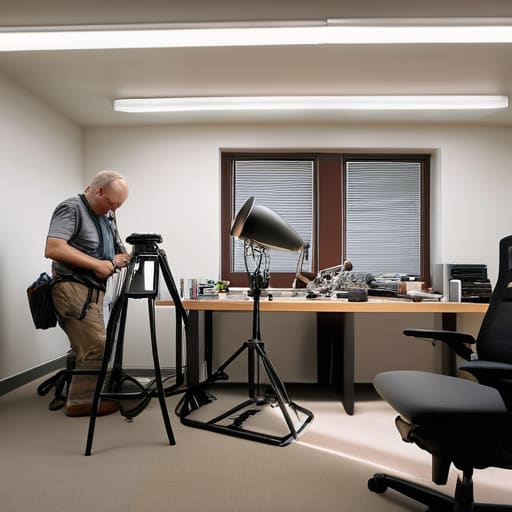
You can buy the most expensive 24mm prime on the market, but if you’re working in a cramped office with white walls and a ceiling fan that looks like it’s about to fall on your subject, that glass isn’t going to save you. Most people think they need to master complex wide angle lens portrait techniques, but they actually just need to master the floor plan. I’ve spent more time moving a heavy light stand three inches to the left to avoid a reflection in a window than I have adjusting my aperture. When you’re working in tight quarters, the environment dictates the shot, not your settings.
The real struggle is that a wide field of view doesn’t just capture the person; it captures every piece of clutter behind them. If you aren’t intentional about composition for wide angle portraits, you’ll end up with a beautiful subject framed by a trash can or a messy power strip. You have to look past the person and see the geometry of the room. It’s about finding the one corner that doesn’t look like a disaster zone and using it to anchor the frame before you even take the lens cap off.
How to Shoot a Portrait With a Wide Lens Without Losing Them
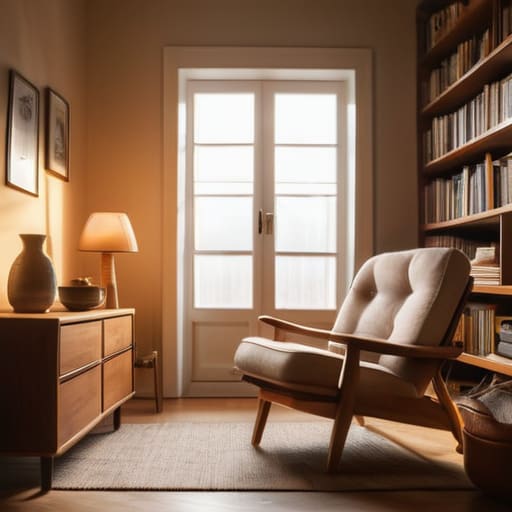
Once you’ve accepted that the room is going to be cramped, you have to stop fighting the glass and start managing the person. When you’re using a wide lens, the biggest mistake is staying too close to the face. If you get right in their personal space, you aren’t just taking a portrait; you’re performing unplanned plastic surgery. You need to be hyper-aware of focal length and facial proportions because that wide field of view is going to turn a nose into a mountain if you aren’t careful. I always try to back up as far as the walls allow and use the lens to pull the environment in, rather than pushing the subject’s features out.
The trick to successful wide angle lens portrait techniques is all about the tilt. If you’re shooting from slightly above, you can mitigate some of that unflattering stretching, but don’t overdo it or they’ll look like they’re in a 90s music video. I usually aim for eye level or just a hair above, keeping the subject’s torso slightly angled. It’s about finding that sweet spot where the environment tells the story without the distortion making the client feel like they look ridiculous.
Managing Lens Distortion and the War Against Facial Proportions
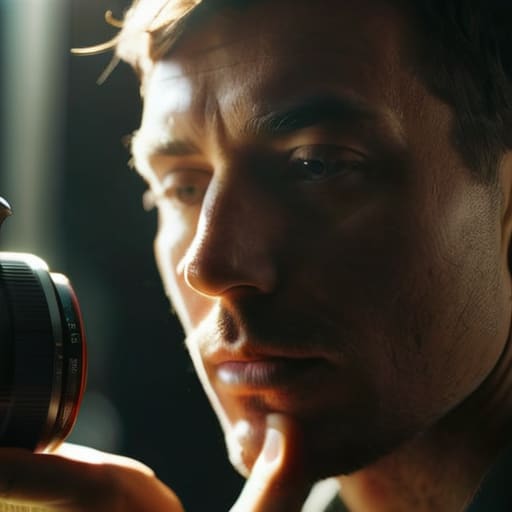
Here is the reality of working with wide glass: if you put that lens too close to someone’s face, they’re going to look like a caricature from a bad political cartoon. It’s not a skill issue; it’s physics. When you’re managing lens distortion in portraits, the nose becomes the protagonist of the image, and everything else retreats into the background. I’ve spent enough time in cramped studios to know that you can’t always back up to a safe distance. If the client is leaning in or you’re working in a tiny corner, you have to be intentional about where that lens is pointing.
The trick is to stop fighting the focal length and start using it to your advantage. Instead of trying to center a face—which is a recipe for a bloated forehead—try to position your subject slightly off-axis or use the edges of the frame for the environment. When I’m doing environmental portraiture tips, I look for ways to use the wider field to frame the person within their space rather than making them the sole, distorted victim of the glass. Keep the lens level with their eyes, avoid the extreme close-up, and never let them tilt their chin too far toward the glass.
Environmental Portraiture Tips for When Space Becomes a Character
When you’re forced into a corner because the client’s office is the size of a broom closet, stop fighting the walls and start using them. This is where storytelling through wide angle photography actually becomes useful. Instead of trying to squeeze a tight headshot out of a 24mm lens—which, let’s be honest, just makes everyone look like they’re being sucked into a vacuum—lean into the environment. If they are an architect, I want to see the blueprints, the messy desk, and the scale of the room. Use the wide field of view to frame the person within their world, rather than treating the background like an enemy to be blurred out.
The trick is to find a way to create depth without letting the room swallow the subject whole. I usually look for a leading line—a bookshelf, a window frame, or even the edge of a desk—to pull the eye toward the person. It’s about composition for wide angle portraits that feels intentional rather than accidental. If the space is cramped, don’t stand five feet away and pray; get low or find an angle that uses the geometry of the room to wrap around them. It’s about making the tight space feel like a choice, not a limitation.
Composition for Wide Angle Portraits Making Chaos Feel Intentional
When you’re working with a wide lens, you can’t just aim and pray; the sheer amount of visual information in the frame is a liability if you don’t control it. My rule of thumb is to stop treating the background as a “backdrop” and start treating it as a narrative. If you’re using storytelling through wide angle photography, every stray coffee cup or messy bookshelf becomes a character in the shot. You have to decide if that clutter is adding context or just creating visual noise that pulls the eye away from the subject.
I usually find that the best way to ground a shot is to use a strong leading line—a desk edge, a doorway, or even a shadow—to point directly at the person. This helps with composition for wide angle portraits by giving the viewer a clear path through the chaos. If the room feels too big and the subject feels lost, I’ll move in closer, but I’ll keep the edges of the frame “heavy” with objects. It creates a sense of enclosure that keeps the viewer from drifting away from the eyes.
Storytelling Through Wide Angle Photography and Unpredictable Subjects
When you stop trying to isolate a face and start trying to capture a life, the wide lens becomes your best friend rather than your enemy. I’ve found that storytelling through wide angle photography isn’t about the gear; it’s about the mess. It’s the cluttered desk of a writer, the specific way a carpenter’s hands rest on a workbench, or the chaotic energy of a startup office. If you try to fight the environment to get a “clean” shot, you lose the soul of the commission. You have to lean into the context.
The real trick is handling the human element when the frame is massive. I always ask my subjects what they do with their hands when they’re nervous—it’s a way to break the ice—but with a wide lens, those hands become a major compositional tool. If they’re fidgeting, don’t just tell them to relax; incorporate that movement into the frame. You aren’t just managing lens distortion in portraits anymore; you’re managing a person’s relationship with their own space. If they feel swallowed by the room, the shot will feel empty, no matter how much “character” you think the background has.
Five ways to stop the lens from ruining the person
- Watch the edges like a hawk. If you let a subject’s chin or hands drift toward the periphery of a 24mm or 35mm frame, they’re going to look like they’re melting. Keep the important stuff—the eyes, the expression—dead center, where the compression is most forgiving.
- Use your feet to find the “sweet spot” of the room, not just the subject. If you’re stuck in a tiny office, don’t just stand there and accept a distorted forehead; move back, find a corner that gives you some depth, and use the wide angle to pull the environment into the shot rather than just fighting it.
- Mind the hands. I always ask people what they do with their hands when they’re nervous, and with a wide lens, that’s a dangerous question. If they’re fidgeting near the camera, those hands will look like giant, terrifying claws. Give them something to hold—a coffee cup, a notebook, a strap—to keep the limbs anchored and scaled.
- Lean into the verticality. If you’re working in a cramped space with high ceilings, stop trying to shoot eye-level like a standard headshot. Tilt the camera slightly or find an angle that uses the height of the room to create a sense of scale, making the wide lens feel like a choice rather than a limitation.
- Light for the context, not just the face. A wide portrait is a story about a person in a place. If you only light the subject with a single beauty dish and leave the rest of the room in pitch black, the wide lens will just show you a lot of empty, useless darkness. Use a large, soft modifier—maybe a 5-foot octabox—to let some of that environmental light breathe.
The Distortion Dilemma
People think a wide lens is a technical challenge, but it’s actually a psychological one. You aren’t just fighting edge distortion and stretched limbs; you’re fighting the moment your subject looks at the back of your camera, sees their nose looking twice its actual size, and decides they’ve ‘lost’ the shoot. Your job isn’t to fix the lens; it’s to manage their confidence while you figure out how to keep them from drifting into the corners of the frame.
Iwona Krawczyk
The Final Frame
At the end of the day, shooting wide isn’t about mastering a piece of glass; it’s about mastering the mess. We’ve talked about fighting the distortion that turns noses into weapons, managing the cramped geometry of a client’s office, and making sure the environment actually serves the person rather than swallowing them whole. It’s a constant negotiation between what the lens sees and what the subject feels. Remember, if the room is tight and the subject is fidgeting, your job isn’t to fight the physics—it’s to lean into the constraints and find the narrative within them. You aren’t just capturing a face; you are capturing a person in a specific, often chaotic, moment in time.
Don’t let the fear of a “bad” wide shot keep you reaching for your 85mm every single time. The 85mm is safe, it’s polite, and it’s predictable, but it rarely tells the truth about how a space feels. Sometimes, the truth is found in the corner of a messy studio or the way a subject looks small against a massive, brutalist wall. Stop worrying about being perfect and start focusing on being intentional with the chaos. If you can learn to control the room and the person, the lens will stop being your enemy and start being your most honest tool. Now, go out there and see what the wide view actually has to say.
