
I once spent forty-five minutes in a drafty living room, sweating through my linen shirt, trying to figure out why a golden retriever was looking everywhere except the lens while his owner looked like she was about to burst into tears of sheer frustration. You can buy the most expensive macro lens or a studio strobe that costs more than my first car, but none of that matters when you’re trying to figure out how to photograph a pet with its owner and the dog has decided that a stray piece of lint on the rug is the most interesting thing in the universe. The gear isn’t the problem; the problem is the unpredictable, living, breathing chaos sitting on your sofa.
I’m not here to give you a lecture on aperture settings or the “perfect” golden hour lighting that you’ll never actually catch. Instead, I want to talk about the messy reality: managing the frantic energy of a hyperactive terrier, handling the owner who is too nervous to stop fidgeting, and knowing when to abandon your planned composition to catch the one genuine moment of connection. This is about the practical, unglamorous work of making the chaos look intentional.
Understanding How to Photograph a Pet With Its Owner
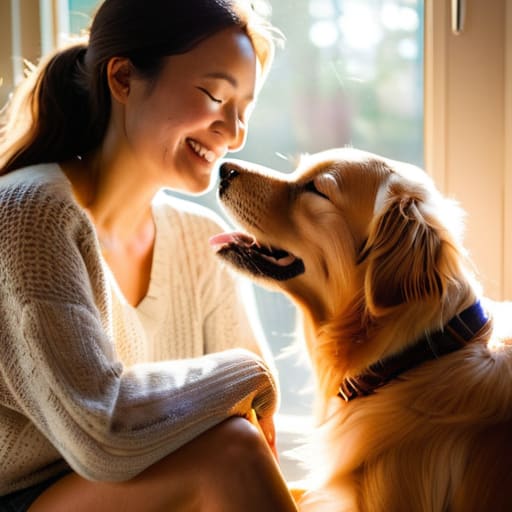
Before you even touch the shutter, you have to accept a fundamental truth: you aren’t just photographing a person; you are managing a biological ecosystem. The biggest mistake I see is trying to force a rigid, studio-style structure onto a situation that is inherently fluid. If you try to pose them like they’re in a corporate headshot session, you’ll end up with stiff shoulders and a dog that looks like it’s contemplating a jailbreak. Instead, I focus on posing humans and animals together by leaning into their natural rhythm. I usually tell the owner to sit on the floor—eye level with the pet—because it immediately breaks down that invisible barrier of authority and makes the whole frame feel more intimate.
The real magic, though, happens when you stop trying to control the moment and start anticipating it. This is where capturing authentic emotions becomes a game of patience rather than technical precision. I don’t care about the perfect ISO if the subject is looking at the camera with glazed, “please let this end” eyes. I’m looking for that split second when the owner forgets I’m there and leans their forehead against the dog’s head. That’s the shot. Everything else is just documentation.
Key Things to Know
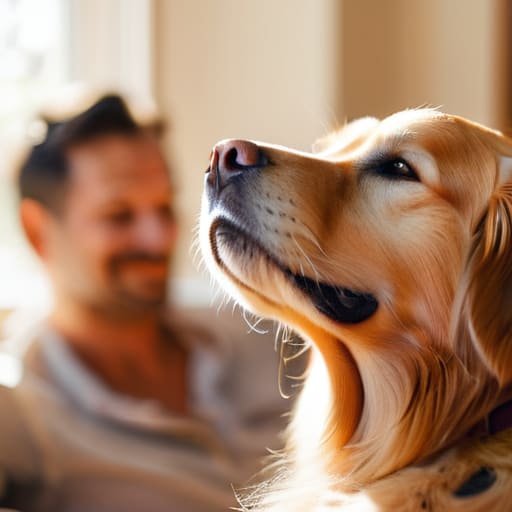
First, let’s talk about the physics of the room. You can obsess over your pet photography camera settings all day, but if you’re fighting a harsh overhead light or a window that’s casting a weird yellow tint, the technical perfection won’t matter. I always lean toward natural lighting for pet portraits whenever possible—it’s softer, more forgiving, and it doesn’t spook the animal with a sudden flash. If you are working in a studio, keep your modifiers large and soft. A tiny, harsh light source just makes a nervous dog look even more frantic.
Second, you have to accept that you aren’t actually directing a shoot; you are negotiating a peace treaty. When it comes to posing humans and animals together, forget the stiff, catalog-style instructions. If you tell a client to “hold the dog perfectly still,” you’ve already lost. Instead, give them something to do. Tell them to scratch the pet behind the ears or whisper something silly. That is how you end up capturing authentic emotions rather than a series of frozen, awkward stares. The goal is to catch the moment the owner forgets you’re there.
Practical Tips and Steps
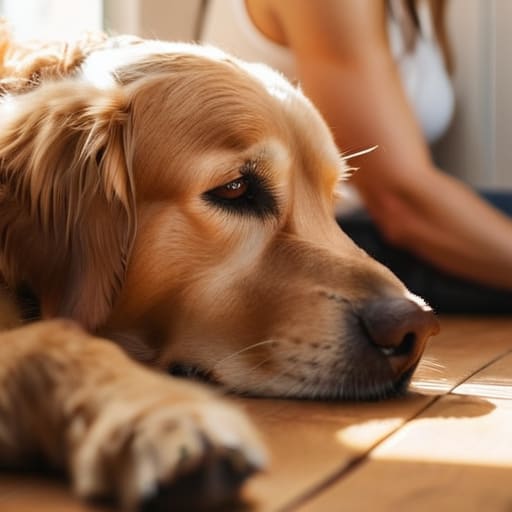
First, forget the studio strobes. If you’re trying to get a genuine connection between a person and their dog, artificial light often feels like an intruder. I always lean toward natural lighting for pet portraits, ideally near a large window or in the soft, shaded light of a late afternoon. It keeps the mood relaxed. If the light is too harsh, the owner will be squinting and the pet will be looking anywhere but the lens.
When it comes to the actual setup, don’t try to choreograph them like a ballet. Instead of asking them to “look at the camera and smile”—which is a recipe for frozen, fake faces—focus on posing humans and animals together through interaction. Ask the owner to scratch the pet behind the ears or whisper something ridiculous. This is how you move from a stiff pose to capturing authentic emotions. If the dog starts lunging for a tennis ball, don’t fight it; just pivot. Your job isn’t to control the chaos, but to be ready when the chaos turns into a moment of actual connection.
Common Mistakes to Avoid
The biggest mistake I see is trying to force a “perfect” moment that simply doesn’t exist in a room with a living creature. People get so hung up on technical perfection that they forget they are shooting a relationship, not a statue. If you spend twenty minutes trying to get a Golden Retriever to sit perfectly still while the owner holds a rigid, frozen smile, you’ve already lost. You end up with a photo that looks like a hostage negotiation rather than a connection. Instead of fighting for a staged pose, focus on capturing authentic emotions by letting the chaos breathe. If the dog licks the owner’s face, shoot it. That’s the real story.
Another trap is over-complicating your gear. I’ve seen assistants try to juggle three different strobes and a massive softbox in a small living room, only to realize the lighting is fighting the window light. Stop. Most of the time, leaning into natural lighting for pet portraits is going to save your sanity and your skin. If you’re fighting a dark room with heavy flashes, the pet’s eyes will look like black voids and the owner will look startled. Keep your setup minimal so you can actually react when the dog finally decides to look at the lens.
Final Thoughts
At the end of the day, don’t let the technical checklist paralyze you. If you spend the whole session worrying about your exact pet photography camera settings while the dog is doing something genuinely hilarious, you’ve already lost the shot. My best work usually happens when I stop trying to direct the scene and start reacting to it. Sometimes the best way to achieve capturing authentic emotions is to simply step back, lower the shutter speed, and let the chaos unfold.
If the client is stressed and the pet is bouncing off the walls, stop fighting the room. Forget the perfect studio setup; lean into natural lighting for pet portraits near a big window and let the environment do the heavy lifting. It’s much easier to work with a bit of messy, real-life energy than it is to manufacture a stiff, artificial pose. Remember, you aren’t just documenting animals; you’re documenting a relationship. If you can manage the distractions and keep the human calm, the rest usually takes care of itself. Now, go out there and try not to get any hair on your lens.
Five ways to stop the chaos before it starts
- Don’t fight the animal’s energy; work around it. If you’re trying to force a high-energy Golden Retriever to sit still for a formal portrait, you’re going to end up with a blurry mess and a frustrated client. Instead, keep your shutter speed high—at least 1/500s—and prepare to shoot the moments in between the “perfect” poses. The real magic usually happens when the dog is just being a dog.
- Manage the owner’s hands. This is my go-to question: “What do you do with your hands when you’re nervous?” Because when a client is holding a pet, they often tense up, which makes their shoulders hit their ears and their grip look white-knuckled. Tell them to use one hand to pet the animal and let the other rest loosely on their lap or a knee. It breaks that rigid, “I’m being photographed” posture.
- Get on their level, literally. I’ve spent half my career crouching on studio floors or kneeling in grass. If you shoot from a standing position, you’re looking down at a pet, which makes them look small and submissive. If you drop down to the dog’s eye level, the portrait suddenly feels intimate and intentional. It changes the entire psychology of the frame.
- Use a “silent” motivator. Avoid those loud, obnoxious squeakers that make a dog tilt its head and then immediately lose interest. I prefer a small, high-value treat or a subtle clicker held just above the lens. You want the animal’s eyes to lock onto the glass, not to freak out and start spinning in circles.
- Watch the light, not just the subject. If you’re shooting in a living room, don’t just look at the dog; look at the window. If the light is hitting the pet’s eyes but creating a harsh shadow on the owner’s face, you’ve lost the shot. I’d rather move the entire group three feet to the left into a softer patch of light than try to fix a bad shadow with a flash in the middle of a chaotic session.
The Real Variable
You can spend three hours obsessing over your aperture and your lighting ratios, but none of that matters if you haven’t accounted for the fact that the dog is eyeing a stray crumb and the owner is too terrified of a scratch on the floor to actually relax. In these shoots, you aren’t just managing light; you’re managing a tiny, unpredictable ecosystem of nerves and distractions.
Iwona Krawczyk
The Reality of the Result
At the end of the day, you can spend three hours trying to perfect the lighting or debating whether a 50mm or an 85mm lens is better for the compression, but if you haven’t managed the energy in the room, you’re just taking photos of two stressed-out subjects. Remember that the technical side—the shutter speed, the way you position the owner to avoid that awkward chin-tuck, or how you bribe the dog with a piece of dried liver—is just the foundation. The real work is managing the chaos and being willing to pivot when the cat decides it’s done with the concept or the owner starts overthinking their posture. If you can control the environment and keep the mood light, the technical settings usually take care of themselves.
Don’t get too precious about the “perfect” shot. In my experience, the images that actually matter aren’t the ones where everyone is looking directly into the lens with a choreographed smile; they are the ones where the owner is laughing at how ridiculous their dog is being. Those messy, unscripted moments are where the actual connection lives. Stop chasing the textbook composition and start looking for the soul of the relationship. Sometimes the best portrait isn’t the one you planned in your head, but the one that happens when you finally stop trying to control everything and just let the moment breathe.
