
I remember a corporate shoot three years ago where I spent forty minutes trying to find a power outlet in a room that turned out to be a converted storage closet, all while the CEO stared at me with increasing suspicion because we hadn’t actually discussed the floor plan. I had the best lenses money could buy, but I was essentially useless because I hadn’t mastered how to run a pre shoot call effectively. Most photography courses act like the magic happens once you click the shutter, but the truth is, if you haven’t nailed down the logistics on a boring Tuesday afternoon over the phone, you’re just praying for luck when you arrive on set.
I’m not here to give you a polished template or a list of “professional” etiquette tips that sound like they were written by a corporate HR department. Instead, I’m going to show you how to use that conversation to sniff out the potential disasters—the lighting limitations, the nervous hands, and the client who thinks they want “natural light” but actually wants a high-end studio look. This is about managing the chaos before it touches your gear, so you can actually focus on the person in front of your lens.
Understanding How to Run a Pre Shoot Call
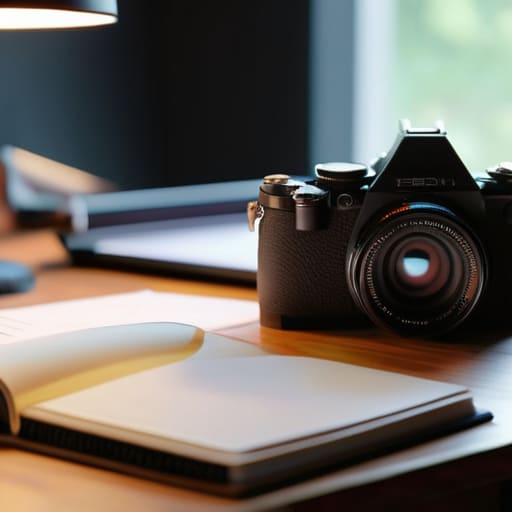
This isn’t about a formal interview; it’s about setting the stage so you don’t end up staring at a client in a dark room with no plan. When I’m managing client expectations, I’m looking for the gaps between what they think they want and what is actually physically possible in the space they’ve provided. You need to figure out if they’re expecting a high-gloss corporate headshot or something more moody and textural. If you don’t bridge that gap during the initial talk, you’ll spend the entire shoot trying to fix a vibe that was never there to begin with.
Part of this is just building client rapport so they don’t freeze up the second you lift the camera. I treat the call as a way to suss out their nerves—I always want to know what they do with their hands when they’re stressed—but also to tighten up the logistics and scheduling coordination. Are we talking ten minutes or two hours? Is there a window of natural light we’re chasing? If you treat this as a mere formality, you’re asking for a disaster. Treat it like the first layer of your creative direction workflow, and you’ll save yourself a headache later.
Key Things to Know

First, you need to realize that this call isn’t just a courtesy; it’s the foundation of your creative direction workflow. If you go into a shoot thinking you’re just there to press a button, you’ve already lost. You aren’t just checking dates; you are diagnosing the mood. I need to know if the CEO is someone who thrives under direction or if they’re going to freeze the moment I lift the camera. This is where you start managing client expectations by being blunt about what a single light in a cramped office can actually achieve versus what they saw on a high-end mood board.
Second, treat this as a way of building client rapport before the awkwardness of physical proximity sets in. I always use this time to dig into the small, annoying details that ruin a day: the window that faces the sun at 3 PM, or the fact that the “quiet corner” is actually next to a humming vending machine. If you don’t nail down these logistics and scheduling coordination points now, you’ll spend half your shoot fighting the room instead of focusing on the person in front of you.
Practical Tips and Steps

First, stop thinking of this as a “meeting” and start treating it as a way of managing client expectations before they become expensive mistakes. Don’t just go through a list; ask them about the vibe. If they say they want “professional but friendly,” that means something entirely different to a lawyer than it does to a freelance designer. I usually walk them through a rough visual storyboard discussion—even if it’s just me describing light hitting a face or the way a shadow falls—to make sure we aren’t picturing two different shoots.
Next, get the boring stuff out of the way so it doesn’t derail the actual creative energy later. This is where your pre-production checklist earns its keep. I need to know if there’s a window in the room that I can’t close, if the client is bringing a spouse who will inevitably want to be in the frame, or if they have a specific deadline for the digital files. If you don’t nail down these logistical hiccups now, you’ll be fighting them while you’re trying to find the right angle, and that is exactly when the shoot starts to fall apart.
Common Mistakes to Avoid
The biggest mistake I see is treating the call like a mere formality or a quick “check-in.” If you approach it as just a way to confirm the time and date, you’ve already lost. You aren’t just confirming a slot in your calendar; you are managing client expectations before they become expensive problems on set. I’ve seen so many shoots derail because the photographer assumed they were on the same page visually, only to realize halfway through the session that the client wanted “bright and airy” while the photographer was prepared for moody, high-contrast shadows.
Another trap is skipping the logistics and scheduling coordination in favor of talking about “the vibe.” It’s easy to get swept up in the creative side, but if you don’t ask where they are parking or if there is a power outlet near the window, you’re going to spend the first forty minutes of your paid time scrambling. Don’t let your photography client onboarding be a purely aesthetic conversation. You need to nail down the unglamorous details—the “where” and the “how”—so that when you finally get to the “what,” you can actually focus on the person in front of your lens.
Final Thoughts
Look, at the end of the day, this isn’t about following a rigid script or checking boxes just to say you did. It’s about reducing the friction between the moment they hire you and the moment they step into your studio. If you treat the call as a chore, they’ll treat the shoot like a hostage situation. But if you use it to nail down the logistics and scheduling coordination early, you aren’t just being organized—you’re building a sense of safety.
When you get this right, you’ve already done half the work of managing client expectations. You aren’t just a person with a camera; you’re a professional who has a plan for the lighting, the mood, and even the inevitable moment they realize they don’t know what to do with their hands. Don’t overthink the perfection of it. Just focus on building client rapport through clarity. If they know what to expect, they can actually relax, and a relaxed subject is the only way you’re going to get the shots you actually want.
Five ways to stop the bleeding before the shoot starts
- Ask the “What do you do with your hands?” question early. I don’t just ask this to be quirky; I ask it during the call to gauge their anxiety level. If they tell you they tend to fidget or hide their hands in their pockets, you know you’re going to need more time for posing and maybe a prop—like a coffee cup or a notebook—to give them an anchor.
- Pin down the wardrobe via video if you can. A client will tell you they’ve picked “professional attire,” which to them might mean a navy blazer, but to you might mean a patterned shirt that turns into a shimmering mess under your strobe. If they can’t jump on a quick FaceTime, tell them to text you a photo of the outfit against a plain wall. It saves you from realizing the texture is a nightmare once they’re already standing in your studio.
- Force them to define “the vibe” in plain English. Don’t let them use vague words like “approachable” or “dynamic”—those mean everything and nothing. Ask them: “If this photo were on a magazine cover, which one would it be?” or “Are we aiming for ‘CEO in a boardroom’ or ‘creative in a coffee shop’?” You need to know if you’re setting up a single softbox for a moody look or a three-point setup for a high-key corporate headshot.
- Negotiate the “Change of Mind” clause. People change their minds. They decide halfway through the call that they actually want video snippets instead of just stills, or they realize they need a different aspect ratio for LinkedIn. Be blunt: “We can definitely pivot to video, but that changes my kit and my timing, so we’ll need to adjust the rate.” Setting that boundary on the phone is much easier than doing it when you’re standing in the studio with a tripod in your hand.
- Confirm the physical space, not just the schedule. If you’re shooting on location, don’t just ask for the address. Ask about the light, the ceiling height, and—most importantly—the power outlets. There is nothing quite as soul-crushing as arriving at a beautiful client office only to realize they have no space for your light stands or a floor plan that’s basically a narrow hallway.
The Real Purpose of the Call
A pre-shoot call isn’t about checking a box or confirming a time; it’s about sniffing out the disaster before it arrives. You aren’t just talking about lighting or locations—you’re figuring out if the client is actually ready, if the room is going to be a nightmare, and how much of your sanity you’re about to lose to a subject who thinks they’re “not photogenic.”
Iwona Krawczyk
The Reality Check
At the end of the day, that pre-shoot call isn’t about checking off a technical list or confirming the aperture you might use; it’s about de-risking the human element. You’ve covered the logistics, you’ve managed the expectations, and you’ve hopefully identified the potential chaos in the room before it actually arrives. If you can nail down the wardrobe concerns, the timing of the light, and exactly what the client expects to walk away with, you have already done fifty percent of the heavy lifting. Remember, the goal isn’t to have a perfect plan that survives contact with reality, but to have a solid enough foundation that when the subject inevitably starts fidgeting or the client changes their mind about the background, you aren’t starting from zero.
Don’t let the administrative side of this make you feel like you’re becoming a project manager instead of an artist. This is just part of the craft. When you handle the “boring” stuff with intention, you are actually protecting your creative headspace for when you finally step into the studio. You’re clearing the mental clutter so that when you look through the viewfinder, you aren’t worrying about whether they brought the right shoes or if the room is too cramped—you’re just actually seeing them. Trust the process, do the call, and then go make something beautiful.
